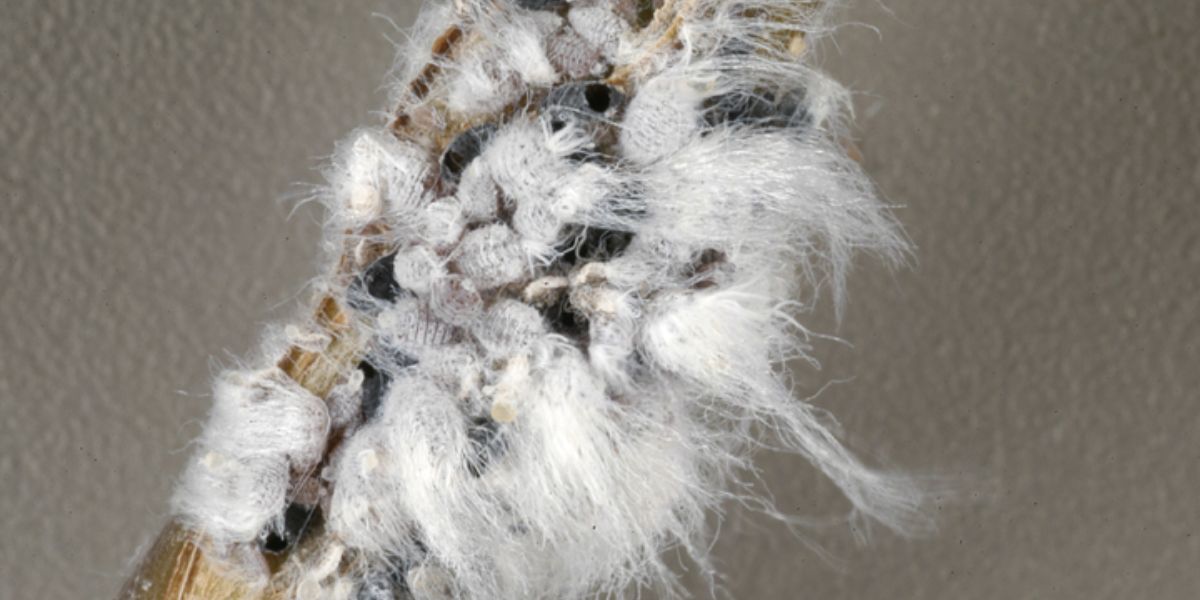
Tyler, TX — Residents across East Texas are noticing an unusual increase in woolly aphids, small pests that thrive on trees and shrubs. The insects, often mistaken for ash or fungal growth, are leaving sticky residue on cars, porches, and garden equipment, creating frustration for homeowners.
Weather Patterns Behind the Increase
Experts say this year’s weather conditions — a mix of ample rainfall and warm temperatures — have created the perfect environment for the pests. Brenda Swagerty, of Dream of Green, explained that these factors are directly tied to the recent surge.
“Lean away from a lot of chemical activity at this point, unless they’re seriously doing damage to something,” Swagerty advised in an interview.
According to Yahoo News, the woolly aphid uptick has been observed widely across the region, with elm and crape myrtle trees among the most affected.
Impact on Trees and Properties
Woolly aphids feed on sap from elm and crape myrtle trees, as well as other shrubs. While the insects themselves don’t directly harm people or pets, they excrete a sticky substance that accumulates on surfaces.
This residue can:
- Coat cars and outdoor furniture, leaving them difficult to clean.
- Stick to porches, garden tools, and siding, creating extra maintenance for homeowners.
- Attract other pests due to the sugary build-up.
Although the sticky mess is a nuisance, experts note that the insects rarely cause severe long-term harm to trees.
Natural Predators vs. Chemical Use
Swagerty emphasized relying on natural predators like hummingbirds and ladybugs rather than immediately turning to pesticides.
“Try to avoid chemicals if you can use natural solutions and allow nature to do what nature does; your landscape will thank you for it,” she said.
The recommendation aligns with broader ecological advice to preserve balance in gardens and landscapes without resorting to unnecessary chemicals.
Decline Expected in Cooler Weather
The woolly aphid population is expected to decline naturally with the onset of cooler weather in October. Until then, homeowners are encouraged to tolerate the seasonal surge and use non-chemical methods to keep the pests under control.
Quick Tips for Homeowners
To minimize the impact of woolly aphids on your property, experts recommend:
- Encourage natural predators by planting pollinator-friendly flowers.
- Rinse affected areas (trees, porches, cars) with water to remove residue.
- Avoid unnecessary pesticides unless aphids cause significant damage.
- Stay patient as populations typically fall with cooler weather.
What are your thoughts on the woolly aphid surge in East Texas? Share your experiences in the comments below.