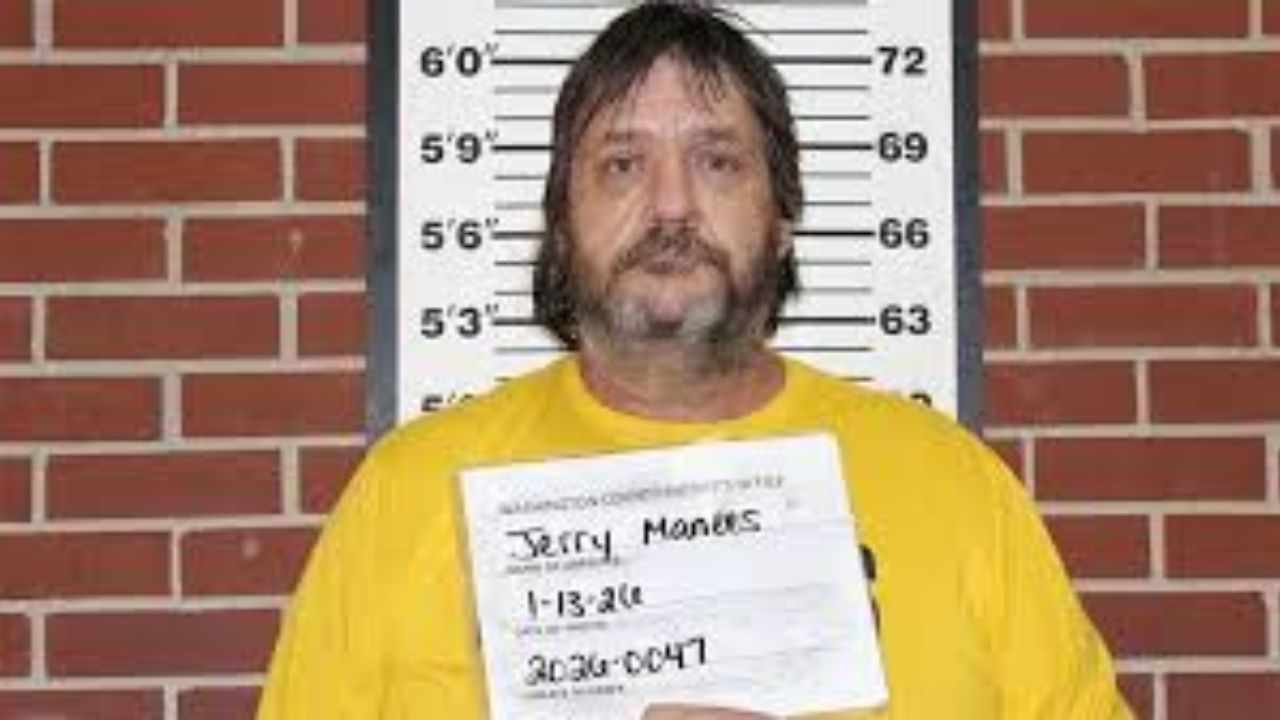
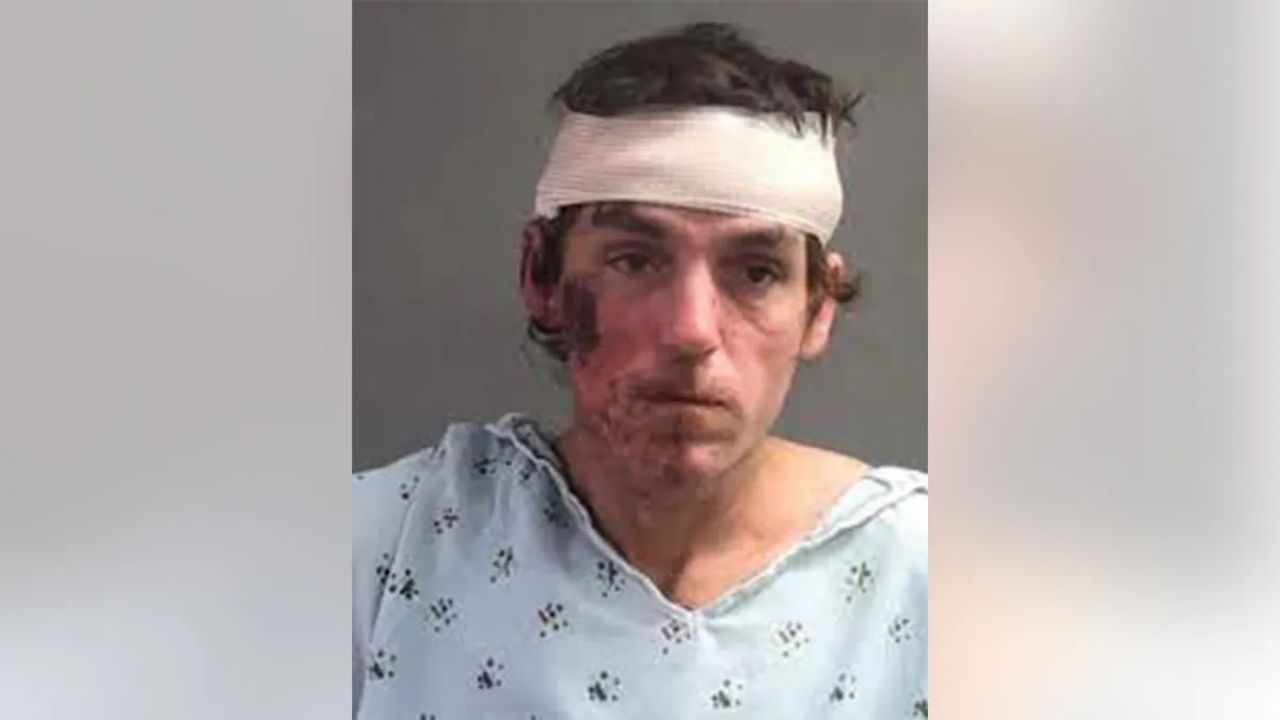
Houston, TX — Elmer Wayne Henley Jr., now 69, is breaking decades of silence about his involvement in one of Texas’ most notorious serial murder cases. Henley, who was only 15 when he became an accomplice to the “Candy Man” serial killer Dean Corll, is serving a life sentence for helping lure victims who were later tortured and killed during the early 1970s.
Henley Opens Up in New True-Crime Documentary
In a new Investigation Discovery documentary titled “The Serial Killer’s Apprentice,” Henley speaks candidly with forensic psychologist Katherine Ramsland, who studied the case. According to Ramsland, this is the first time Henley has shared in-depth details about the killings in decades.
“When Wayne looks back — and he doesn’t like to — he’s horrified,” Ramsland said. “When we started talking, he would have nightmares. He suffered from PTSD for some time after he first went to prison. He hates that he was a part of this. He hates that this is what his life has come to. He doesn’t want to be identified as a person who is a part of a serial murder team, even though he was.”
Ramsland also told Fox News Digital that Henley’s actions, though criminal, stemmed from manipulation rather than inherent homicidal intent:
“I told the FBI … he’s not really a serial killer because he didn’t have the motivating drive for me. He just participated in it. So, technically, yes, he killed more than two people, but he didn’t want to.”
Early Life and Path to Corll
Henley grew up in a broken home in Texas and was raised by his grandmother after his abusive father abandoned the family. At age 14, he began working at a gas station to support his mother and younger brothers.
According to Ramsland, Henley met David Brooks, an older teen, who introduced him to Dean Corll, the man later known as the “Candy Man.” Corll, who once owned a candy store and worked for an electrical company, manipulated Henley with promises of easy money:
“[He] tells him, ‘We pick up boys who are hitchhikers and have no place to go, and we [send] them to California. They become pool boys for some rich family. They make out great, and we get paid for it. It’s a way for you to make $200,’” Ramsland explained.
“That’s a lot of money for a kid, a 15-year-old who’s making peanuts at a part-time job at a gas station. And it sounded like nobody was getting hurt. This is Corll’s way to reel Wayne in. To Wayne, it just sounded like everybody wins.”
Role in Luring Victims
Henley’s first assignment came when he picked up a young hitchhiker at Corll’s request. Although Henley did not witness the murder, Corll told him:
“That guy died, and you were a part of that, and now you have to do what I say. … If anything happened to them, they would come for Wayne. … He didn’t think he had a way out.”
Between 1970 and 1973, young boys and teens began vanishing across Houston Heights, though authorities often dismissed the cases as runaways (source).
Corll’s Sadistic Crimes
Ramsland described Corll as a sadist who physically and psychologically tortured victims:
“Dean Corll was a sadist. He looked for kids to torture. Sometimes he would keep them for two or three days, torturing them. He had this torture board that had holes drilled into it. He would put two kids on the board and have them fight each other. One time, it had two best friends. He said, ‘Whoever wins will survive.’ It wasn’t true. … He lived a double life that fooled a lot of people.”
Corll is confirmed to have tortured, raped, and killed at least 28 boys and young men. Henley and Brooks were involved in luring victims, often for $200 per person, and Henley admitted his direct role in six murders.
Henley’s Reflections and Remorse
Henley killed Corll when confronted with a threat, and then helped police locate 16 bodies buried in a mass grave. Ramsland stressed that Henley remains haunted by his participation:
“He wanted to be a minister. He doesn’t know what to think of himself. He doesn’t put [himself] on any level like the victims who were tortured and killed. But victims come in all varieties, and I don’t think you can deny that.”
Henley’s story provides a rare, inside look at how young, vulnerable individuals can be manipulated into horrific crimes, and underscores the enduring impact of trauma and regret.
What are your thoughts on Henley’s story? Let us know in the comments.