Salt Lake City, UT — All of Utah is experiencing drought conditions, with reservoirs dropping at alarming rates and at least one secondary water provider reducing deliveries. Officials are urging residents to conserve water as the state grapples with one of its driest summers in recent memory.
Reservoir Levels Declining Rapidly
The Utah Division of Water Resources reported that since June 1, reservoirs have been drawn down at twice the normal rate.
“Reservoirs are our first line of defense against drought and are vital for our communities and ecosystems,” said Candice Hasenyager, division director. “The rapid decline we’re seeing is a clear signal that we must be more vigilant and use less water.”
The division emphasized the importance of water conservation as Utah’s population is projected to double by 2065. Traditionally, two-thirds of growth came from a “natural increase,” but in recent years, more people are moving into the state without additional water resources.
“People have discovered Utah is a great place to live, work and play. Unfortunately, they don’t bring water with them. Conservation is crucial to ensuring we have water now and for future generations,” the division said on its website.
Irrigation Providers Curtail Water Deliveries
Hooper Irrigation is ending its secondary water season a month early—Sept. 15—and cutting allotments by half.
“We are not sure how they have gone through that much water that quickly. It was a surprise to us,” said Scott Paxman, general manager of the Weber Basin Water Conservancy District.
He noted that while Echo Reservoir has dropped from 99% full in June to 53%, it is typical as a one-season reservoir that fills and drains annually. Paxman also confirmed that northern Utah reservoirs are doing reasonably well despite the drought.
Moon Lake Reservoir Particularly Low
Conditions are worse for Moon Lake, located in the Uinta Mountain Range. This year, the reservoir has fallen from 63% of capacity to just 18%.
“It has just been a really, really dry year, more so than other years,” said Dex Winterton, manager of the Moon Lake Water Users Association Deseret News.
Michael Sanchez, spokesperson for the Division of Water Resources, said,
“It’s pretty wild how quickly they have drawn down.”
Drought Impacts on Wildfire Season
The drought is also intensifying wildfire risks, creating ideal conditions for flames to spread. In July, Governor Spencer Cox declared a 30-day state of emergency due to wildfires.
Earlier, the governor asked Utahns to participate in a day of prayer and fasting for rain, stating,
“Utah is facing a tough season, and we need both divine help and practical action.”
Faith leaders across the state were encouraged to share the invitation with their congregations to support the call for rain.
Statewide Drought Statistics
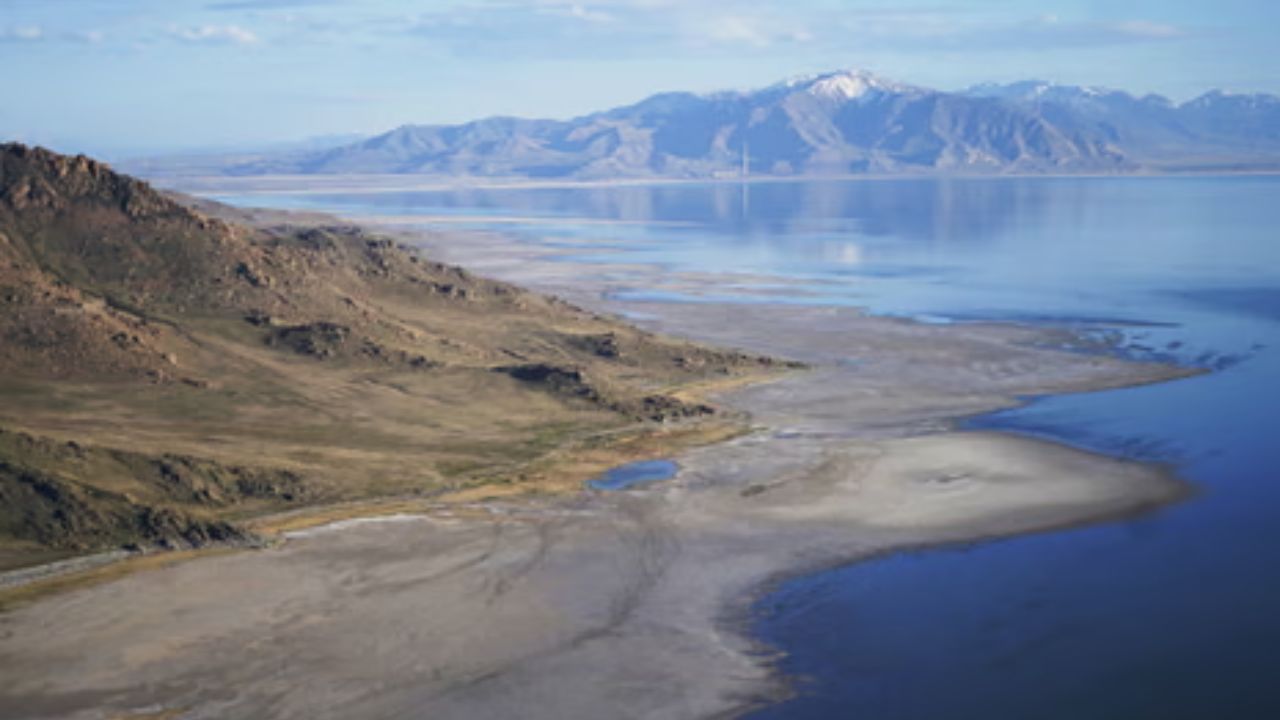
According to the U.S. Drought Monitor, more than 80% of Utah is experiencing severe drought, with 14% classified as extreme. The Great Salt Lake, which peaked at 4,193.6 feet in mid-April, has fallen to 4,191.6 feet.
Officials warn that conservation measures are essential to sustain Utah’s water supply, particularly in the face of continued population growth and worsening drought conditions.
What are your thoughts on Utah’s water challenges this summer? Let us know in the comments.