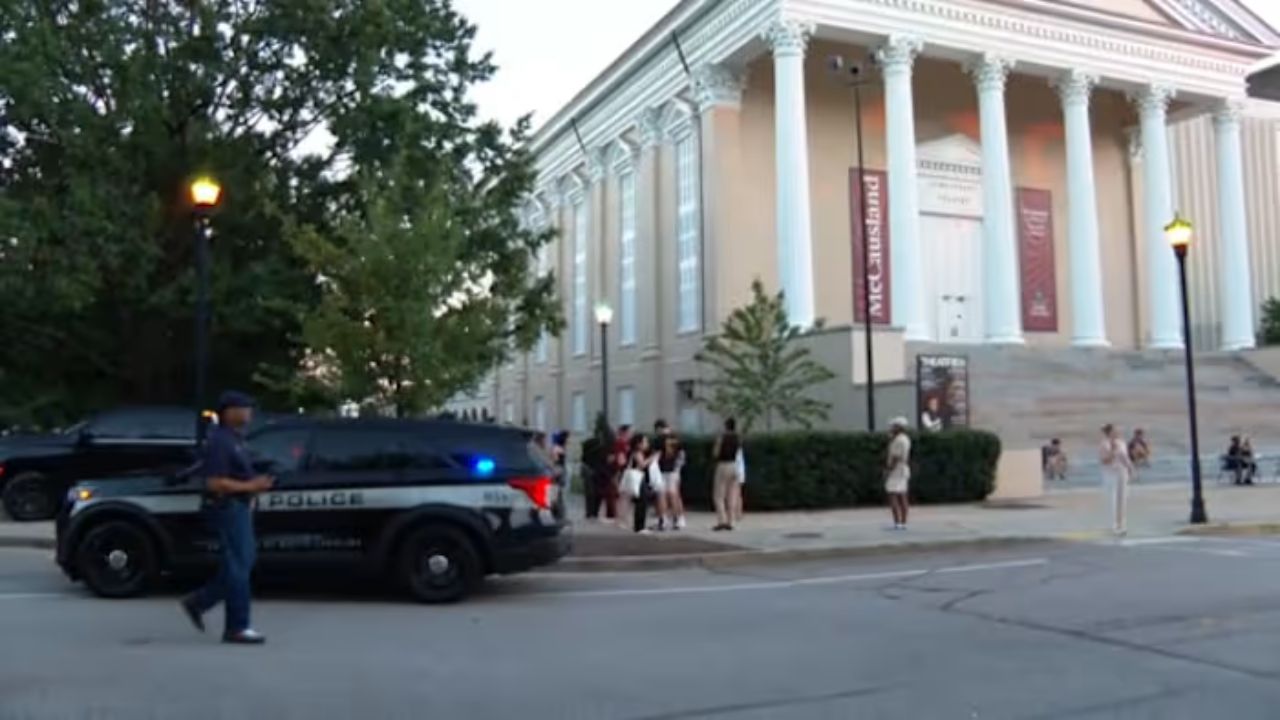
Columbia, SC — Students at the University of South Carolina were forced to shelter in place Sunday evening after the university issued an emergency alert warning of a possible active shooter near the Thomas Cooper Library. Authorities later confirmed that there was no evidence of an actual shooter, but students were instructed to remain in secure locations while police conducted thorough building searches.
Alert Prompts Campus Lockdown
The emergency alert was sent shortly after 6:45 p.m., instructing students to evacuate the immediate area, barricade themselves, and defend themselves if they encountered a person matching the suspect description. University spokesman Jeff Stensland said the alert was issued “out of an abundance of caution” following an unconfirmed report.
“There was no evidence of an active shooter,” Stensland confirmed, noting that two individuals sustained minor injuries during the evacuation process.
Police conducted a floor-by-floor search of the Thomas Cooper Library before declaring the building and surrounding areas safe. By early evening, the university lifted the shelter order and sent an all-clear alert to students and staff.
Context of Recent Campus Alerts
This incident at USC follows a spate of false active shooter reports at other universities in recent days. At Villanova University in Pennsylvania, a 911 caller claimed there was a shooter in a law school building with at least one victim, a report later determined to be a hoax. Similarly, the University of Tennessee at Chattanooga issued an alert warning students to “Run. Hide. Fight.” after a possible shooter was reported; no threat was found after police cleared the scene.
- USC has a student population of about 38,000.
- The university is located in downtown Columbia, a city with nearly 145,000 residents.
- Officials emphasized that the alert was a precautionary measure, highlighting the importance of campus safety protocols.
Response and Student Safety Measures
University and campus police quickly responded to the report, ensuring students remained sheltered in classrooms and offices until officers completed their search. Officials advised that following emergency procedures is critical during potential threats, even if the report is later proven false.
“Students were instructed to shelter, evacuate, and protect themselves if necessary, which is standard procedure in such situations,” Stensland said.
Authorities have not identified the source of the initial report, but they stressed that issuing alerts quickly, even on unconfirmed information, is intended to prevent potential harm and ensure the safety of the campus community.
Campus Awareness and Precautionary Alerts
While false alarms can cause anxiety among students and staff, universities continue to prioritize rapid communication. The USC alert system is designed to notify thousands instantly, enabling people to take immediate protective measures. University officials reminded students that responding promptly to alerts can save lives in actual emergencies.
This latest incident serves as a reminder of the heightened vigilance on college campuses nationwide, particularly amid increasing concerns about active shooter threats.
What are your thoughts on how universities handle false alerts? Share your views in the comments.