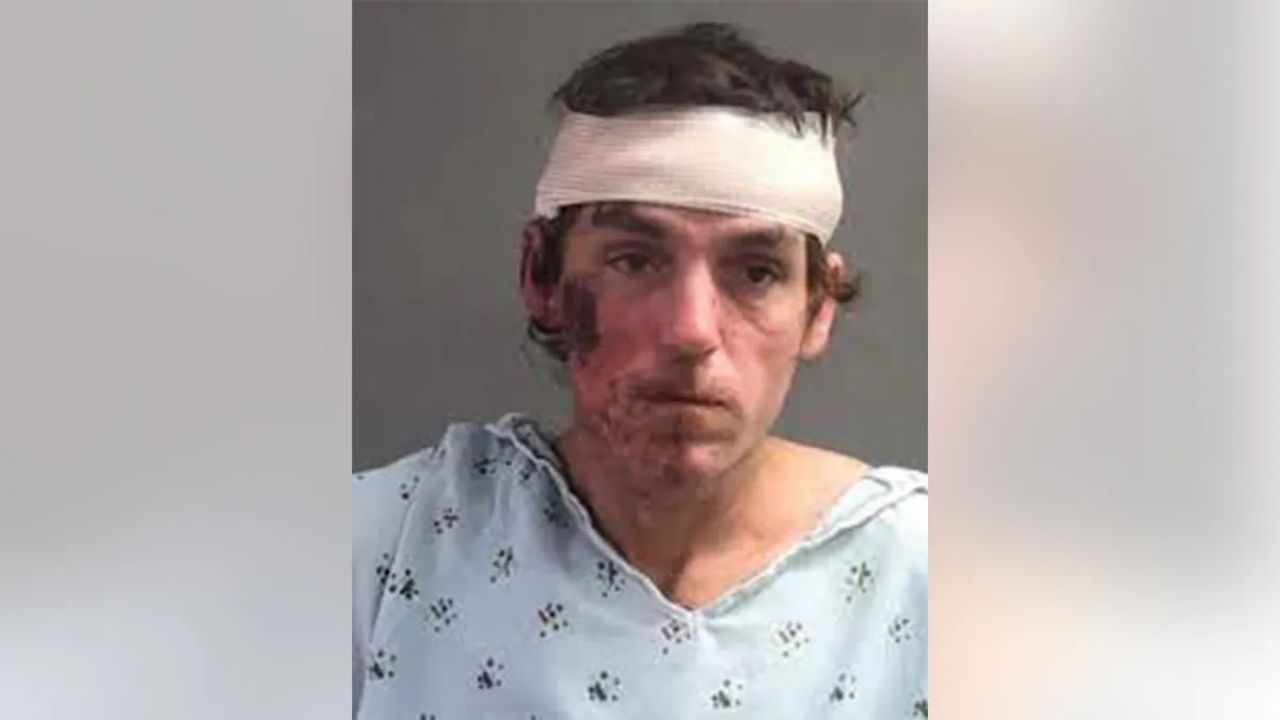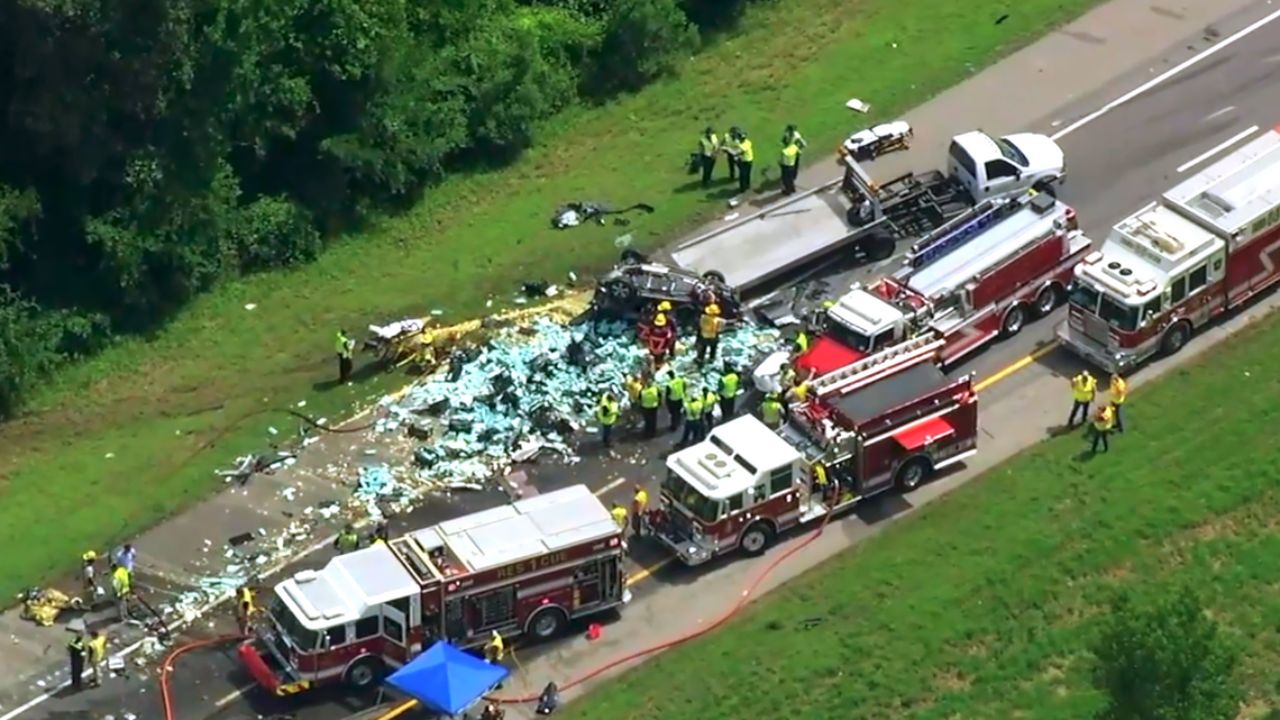
Kenly, NC — A horrific chain-reaction crash that killed five people on Interstate 95 in July 2024 was caused by a truck driver actively using his cellphone, according to a newly released investigation by the National Transportation Safety Board (NTSB).
Truck Driver Made Phone Call Seconds Before Deadly Impact
According to The News & Observer, Charles Haskell of Las Vegas was heading north on I-95 near Kenly, NC when he received a text, and “less than a minute later, Haskell made a voice call.”
Just three seconds into the call, his Freightliner tractor-trailer slammed into a line of slowed vehicles near a construction zone while going 70 mph. The truck never braked. The crash initiated a violent pileup involving five vehicles, including two SUVs and two tractor-trailers.
“The 911 call was the result of an Apple feature that ‘automatically calls emergency personnel after a 20-second delay to report a detected crash,’”
— NTSB preliminary findings
Five Victims Identified in Two SUVs
The crash happened just before a construction zone merge where the left lane was closed and traffic had slowed. The impact killed:
- William Carroll Tucker, 72, and Elizabeth Sharon Tucker, 66, of Hephzibah, Georgia
- Edward Carroll Davis, 68, and Martha Warren Davis, 69, of Greenville, NC
- Linda Warren Whitehurst, 80, of Robersonville, NC
Haskell’s truck pushed the Chevy Tahoe off the road and then hit a Toyota RAV-4, flipping it onto its roof. As reported by ABC11, “His own truck was on fire when it came to a stop 332 feet from where it had hit the Tahoe.”
Driver Was Using His Phone Constantly
According to NTSB documents, “Haskell was frequently on his phone, both during breaks and while driving.” Cellphone records showed hundreds of texts and calls in the days leading to the crash.
The text he received before the wreck was from an unknown number. Then, he called a number with a 252 area code, which the NTSB noted “covers northeastern North Carolina, the direction he was headed.”
“Investigators used truck electronic logs, GPS data, and cell records to piece together Haskell’s movements, revealing a driver who may have been distracted and fatigued, even after taking an 8.5-hour rest window.”
— NTSB report summary
Sleep Was Possible — But Quality Uncertain
NTSB found that Haskell had a rest period of over 10 hours, concluding:
“Haskell was on duty for 3 hours and 41 minutes on July 24, after a rest period of more than 10 hours. Accounting for phone use, he could have slept as much as 8 1/2 hours the day of the crash… The quality of any sleep during the available periods was not determined.”
“Spaced Out” But Not Impaired
At the hospital, state troopers said Haskell “appeared ‘spaced out’ but did not otherwise notice signs of drug or alcohol influence.” Two blood samples taken that day tested negative for impairing substances.
Haskell has been charged with failure to reduce speed and five counts of misdemeanor death by vehicle. The case is pending in Wilson County Superior Court. He has refused to speak with investigators, forcing them to rely entirely on digital and physical evidence.
Final Report Still to Come, But Cause Clear
Though the final NTSB report hasn’t been released, early findings emphasize that the crash was avoidable:
“Clearly marked construction signs and lane closures were present, well in advance of the crash site.”
Investigators and safety experts are calling the case another stark reminder of how driver distraction, especially involving cellphones, is a rising cause of fatal highway accidents — particularly involving commercial trucks.
What are your thoughts on this? Let us know in the comments Section.