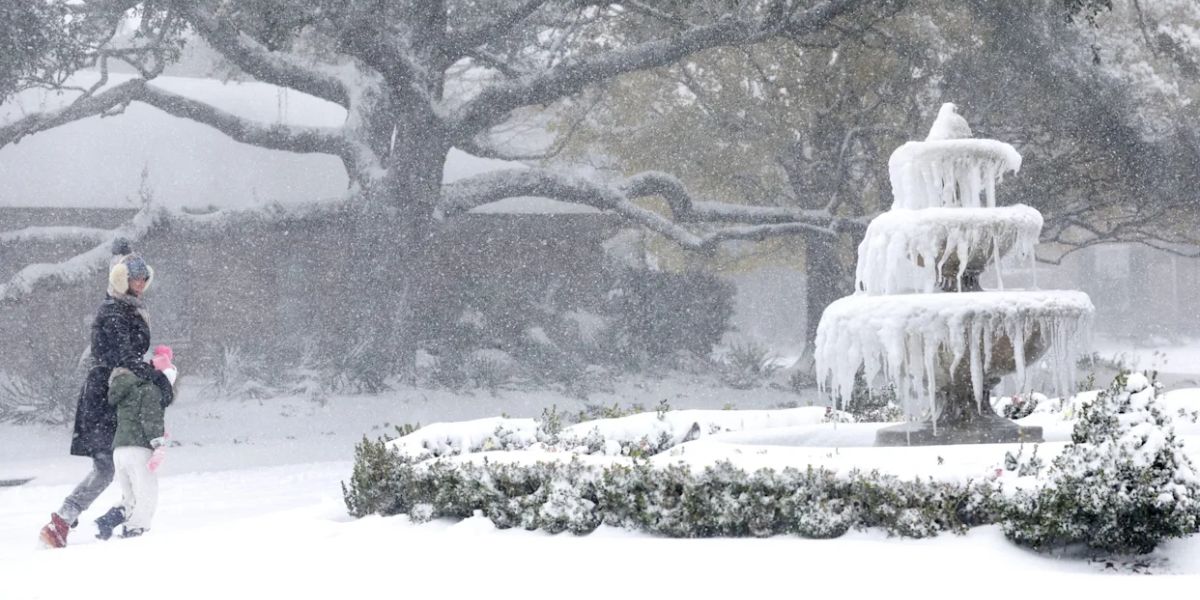
Washington, D.C. — As winter storm season approaches, experts are taking a look back at some of the most devastating snow and ice storms that have struck the United States over the last 125 years. These events brought massive snowfalls, widespread power outages, and tragic fatalities — leaving lasting marks on the regions they hit.
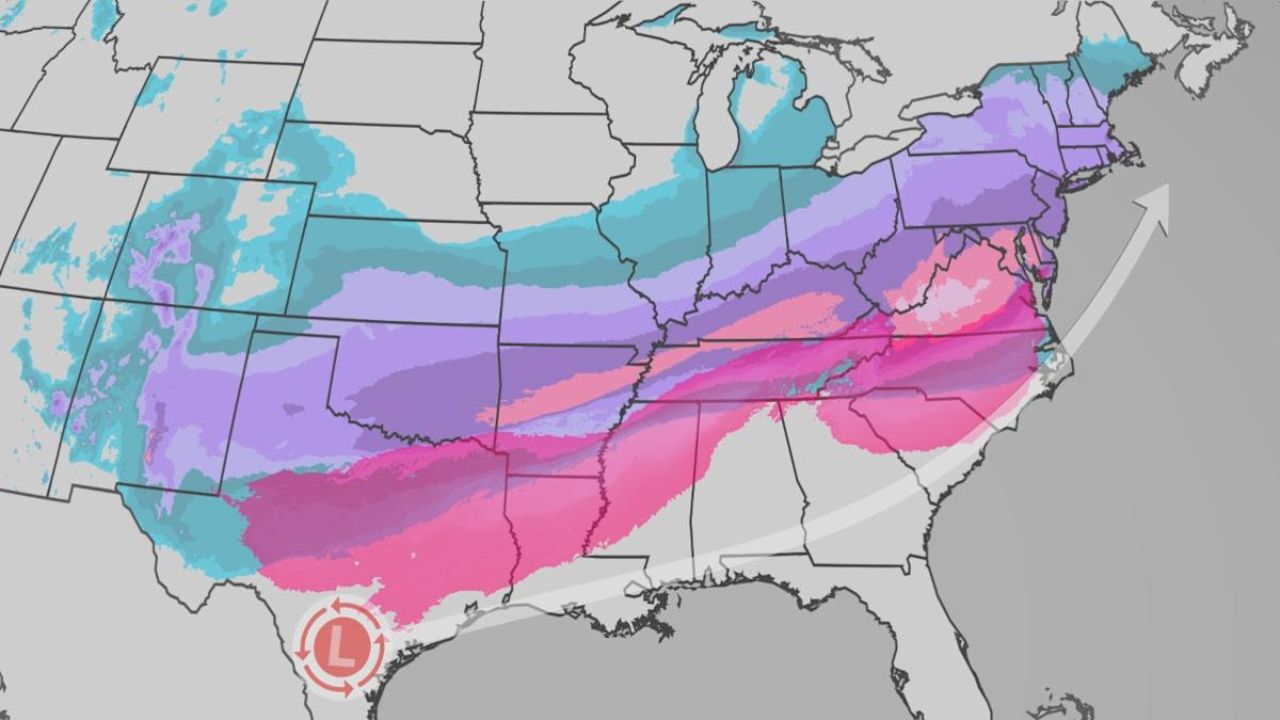
According to the National Weather Service (NWS), winter storms can cripple entire regions, from Southern Texas to New England, with impacts ranging from frozen highways to collapsed infrastructure. While northern areas like the Upper Midwest are typically better prepared, southern regions face greater challenges due to limited resources and experience with severe winter weather.
A Century of Storms and Survival
The National Centers for Environmental Information (NCEI) and the City of Alexandria have documented several major winter disasters that defined the 20th and early 21st centuries. As noted by Fox Weather, these storms continue to serve as warnings for communities bracing for harsh conditions.
The Knickerbocker Storm (1922)
This catastrophic blizzard struck the eastern United States from January 27–30, 1922, dumping record-breaking snowfall across the region. Washington, D.C. recorded its heaviest snowfall ever — up to 28 inches — causing tragedy at the Knickerbocker Theater.
“Snow totaling 25 inches had fallen in the first 24 hours of the storm,” according to NCEI records. “The roof collapsed onto moviegoers, killing at least 98 people and injuring 133 more.”
The Knickerbocker Storm remains one of the most devastating snow disasters in American history.
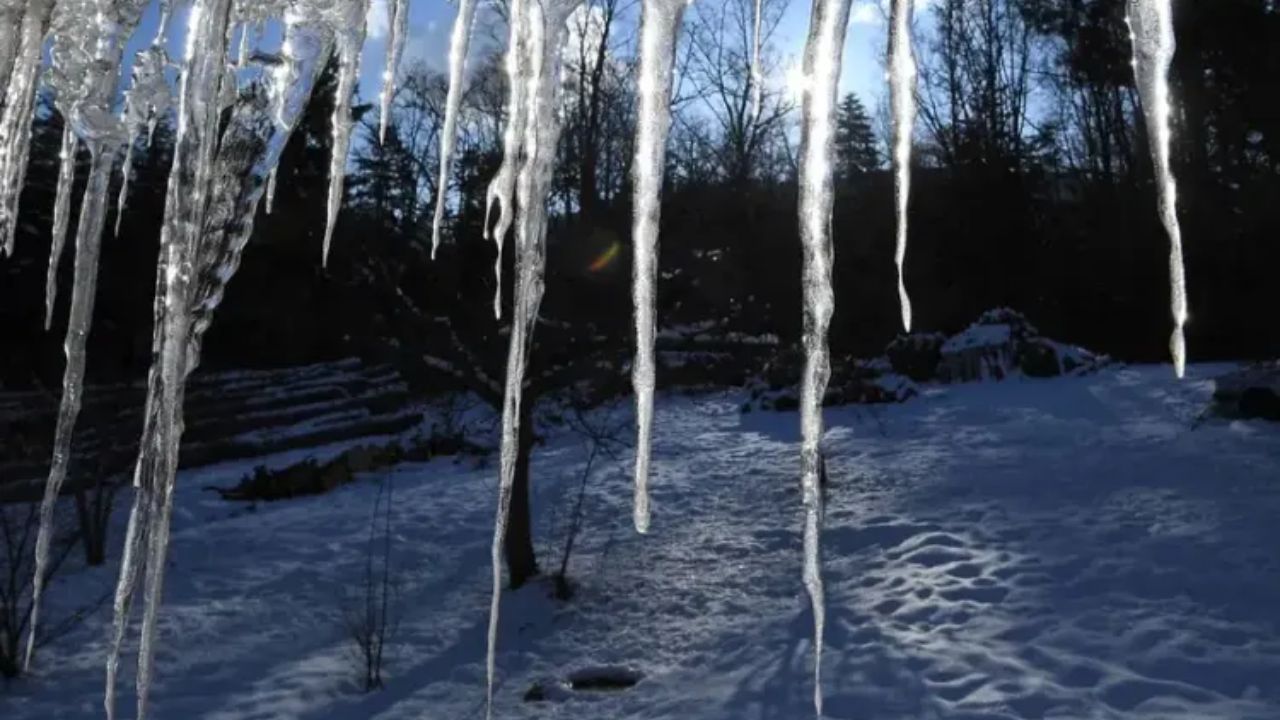
The Great Ice Storm of 1951
From January 29 to February 1, 1951, an enormous ice storm stretched from Louisiana to West Virginia, coating power lines, trees, and roads in up to four inches of solid ice.
- 25 people were killed and over 500 injured during the event.
- Nashville saw eight inches of ice, making it the worst ice storm in the city’s history, according to the NWS.
- Widespread power outages and impassable roads paralyzed communities for days.
The storm caused millions in damages and is still considered one of the costliest ice storms ever recorded.
The Great Blizzard of 1978
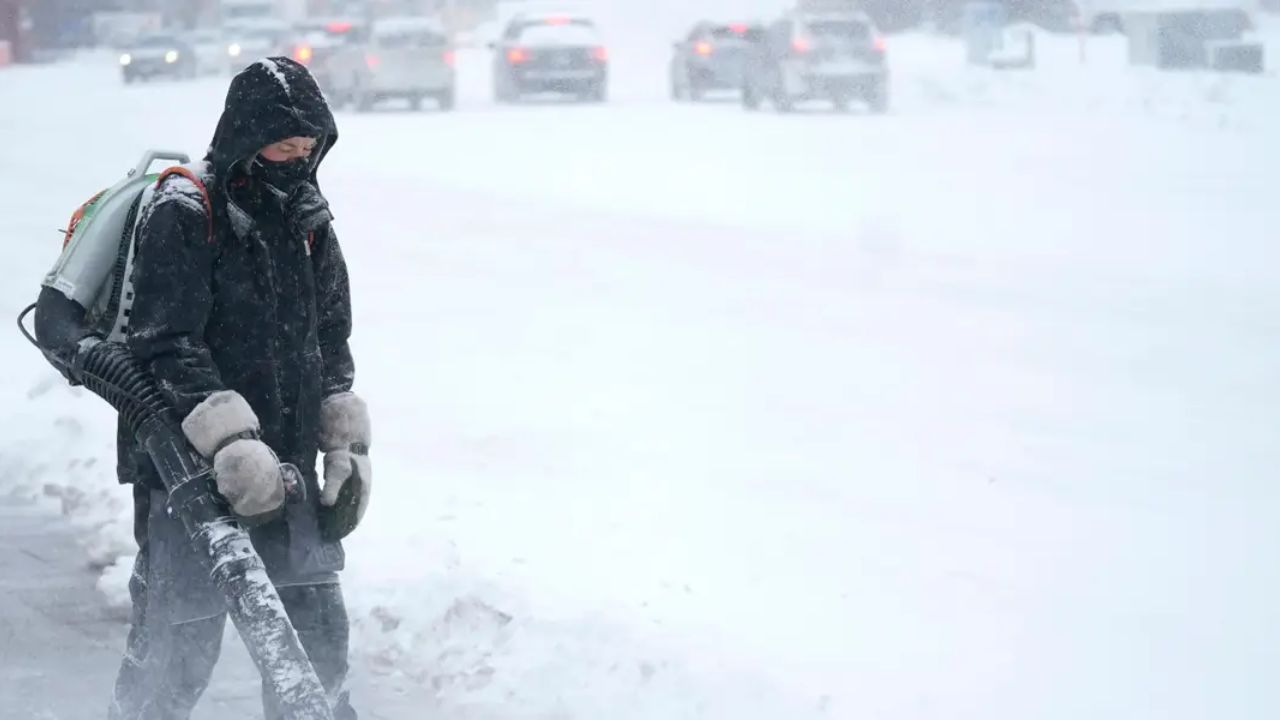
A late-January blizzard hit the Upper Midwest and Ohio Valley, producing 10–20-foot snow drifts and 55 mph winds that brought travel and commerce to a standstill.
- States of emergency were declared in Indiana, Ohio, and Michigan.
- South Bend, Indiana recorded three feet of snow, while southern Michigan saw two feet.
- The NWS reported more than 70 fatalities across multiple states.
“The Great Blizzard of 1978 remains one of the most paralyzing storms in Midwest history,” according to NCEI data.
The Storm of the Century (1993)
Also known as the Superstorm of 1993, this massive system impacted the entire eastern third of the United States, producing snow, tornadoes, and storm surges.
- Average snow totals reached 6–15 inches from Alabama through Maine.
- The storm triggered extreme coastal flooding in Florida, with winds exceeding hurricane strength in some areas.
- Over 200 people died, including 60 in Florida alone.
“The storm will be remembered for its tremendous snowfall totals, extreme winds, and unseasonably cold air that followed,” wrote meteorologist Tim Armstrong for the NWS.
The Groundhog Day Blizzard (2011)
From Texas to New England, this powerful storm on February 1, 2011 dropped over a foot of snow in many areas and caused more than $1 billion in damage.
- Boston recorded 13 inches of snow, while parts of Illinois and the Midwest saw even more.
- 11 people died in Illinois, and at least 9 additional deaths occurred in surrounding states.
- Thousands of flights were canceled, and highways were closed for days.
Lessons From a Century of Winter Storms
Each of these storms serves as a reminder of how quickly winter weather can turn deadly — especially when power grids, transportation systems, and emergency response teams are overwhelmed.
Communities are urged to stay informed through NWS warnings, prepare emergency kits, and avoid unnecessary travel when blizzard conditions strike.
“Even regions accustomed to snow can face catastrophic consequences when weather systems align with extreme cold, wind, and precipitation,” meteorologists warn.
What are your thoughts on these infamous storms and how your community prepares for winter weather? Share your experiences in the comments below.