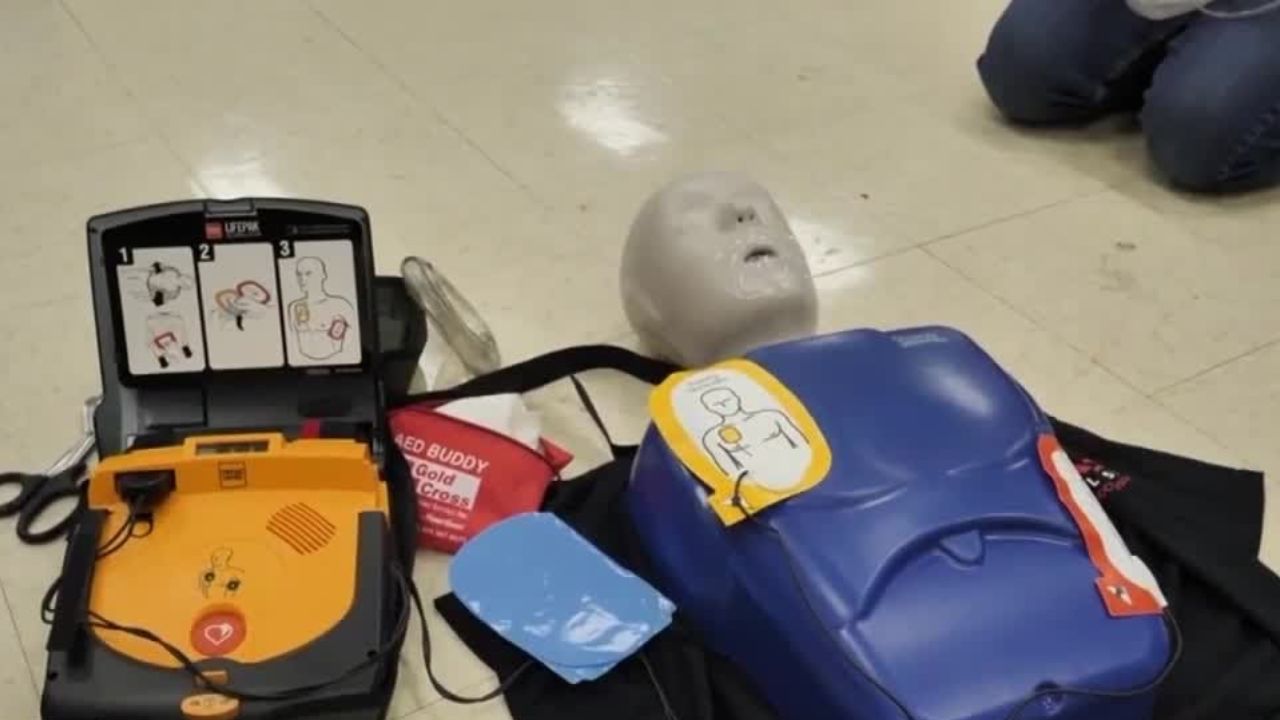
Hurst, TX – Seventh‑grade football player from Haltom Middle School is alive after collapsing and temporarily flatlining on the field, thanks to newly implemented cardiac emergency response training (CERP) and an on‑site AED. The quick actions of a district trainer and practiced emergency protocols turned a potential tragedy into a recovering patient.
The incident occurred during a middle school game at Trinity High School Stadium. District officials credit months of preparation and a recent statewide law requiring CERP and CPR/AED training for students in seventh through 12th grades with enabling the lifesaving response.
How the Response Saved a Life
When the player went into cardiac arrest, assistant athletic trainer Saad Rajabali responded immediately after being alerted by on‑site staff. Rajabali retrieved an AED from his office and administered a shock while colleagues performed compressions. Emergency medical services transported the student to Cook Children’s Hospital, where he is now alert and recovering, according to NBC.
“I think she called me for the AED. My office is at the end of this building, so I grabbed one from there and came running out… They were basically rolling him over, coaches and her. So at that point, I just administered the AED.” — Saad Rajabali
District Training and the New Texas Law
Hurst‑Euless‑Bedford ISD implemented a formal cardiac emergency response plan (CERP) in partnership with the American Heart Association about a year and a half ago. Superintendent Dr. Joe Harrington said the district became the second in the state to adopt the program, which established clear emergency action plans, defined roles, and rehearsed responses.
This week’s outcome comes after the state of Texas passed legislation requiring all public districts to implement CERPs and train students from grades 7–12 in CPR and AED use—a policy change leaders say is already saving lives.
What this Incident Reveals about Preparedness
Officials emphasized that rehearsal and written plans made the difference. Rajabali noted the team’s actions felt “fluid” because of repeated practice. Dr. Harrington highlighted that deliberate planning, regular drills, and accessible equipment are key components of effective school emergency responses.
- Who responded: Assistant athletic trainer Saad Rajabali, on‑site coaches and trainers, EMS.
- Where: Trinity High School Stadium, during a seventh‑grade game.
- Outcome: Student transported to Cook Children’s Hospital and currently recovering and alert.
- Policy: Texas law now requires CERP and training for students in grades 7–12.
- District action: HEB ISD partnered with the American Heart Association to implement CERP.
Implications and Next Steps for Schools
School districts statewide may use this event as a case study to refine their CERPs. Key recommendations from HEB ISD leaders include maintaining clear emergency action plans, ensuring rapid access to AEDs, and scheduling frequent drills for both staff and students.
Community Reaction and Expert Perspective
Parents and school officials expressed relief and gratitude that training translated into a positive outcome. Health and safety experts point out that every minute matters in cardiac arrest, and early defibrillation plus high‑quality compressions dramatically increase survival odds.
What do you think about this training requirement? Has your school practiced a cardiac emergency response plan? Share your thoughts and local experiences in the comments below!