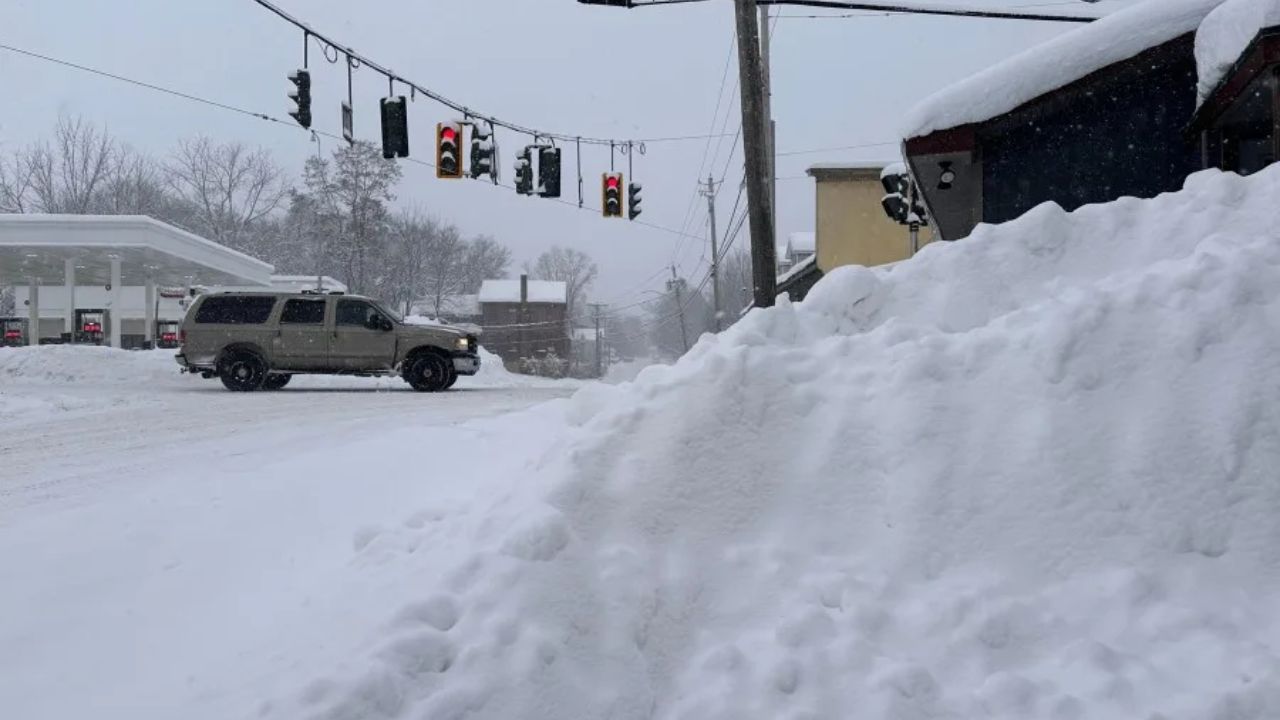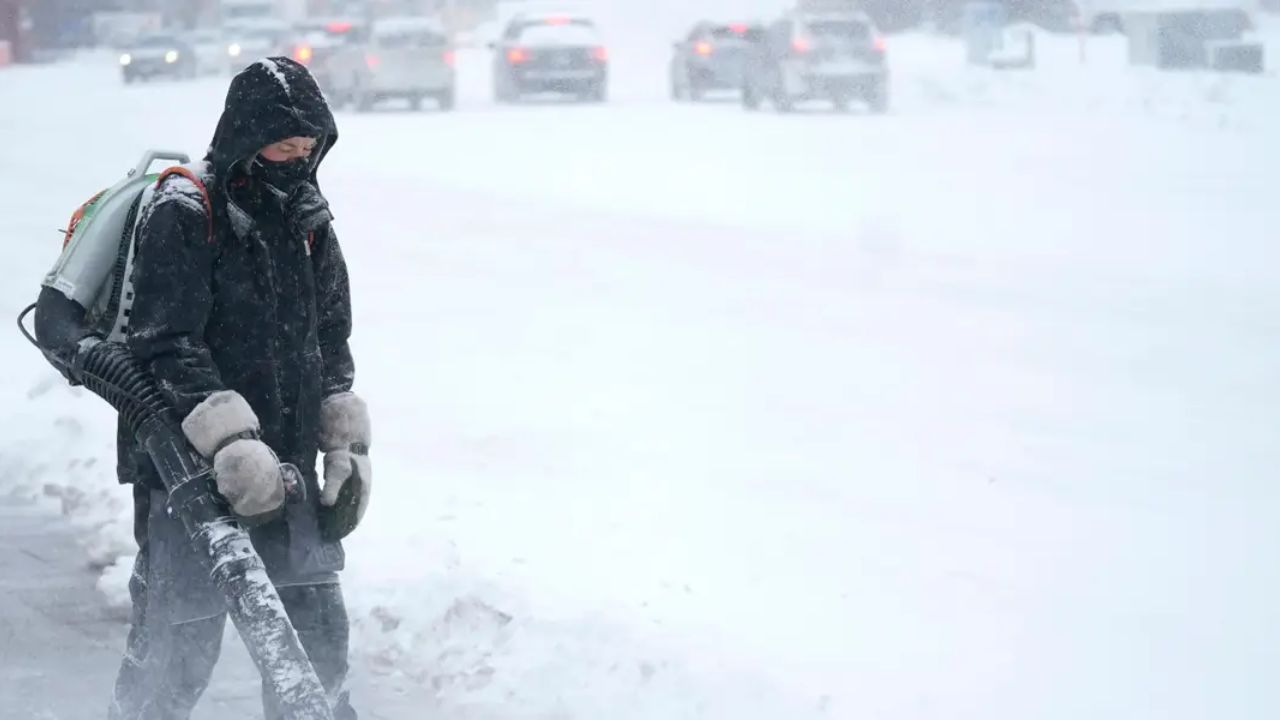
Chicago, Illinois – As Chicagoans prepare for winter, experts warn that the city could be facing a cold and snowy season reminiscent of 2013-2014, driven by a massive area of record-warm ocean water in the North Pacific, commonly referred to as “The Blob.”
What is “The Blob”?
“The Blob” is a marine heatwave, an extended period of much warmer-than-normal ocean temperatures that can disrupt weather patterns, ecosystems, and economies. Studies link these heatwaves to enhanced Arctic warming from climate change, amplifying their global impact.
- In August 2025, the North Pacific Ocean reached an average sea surface temperature of 68°F, smashing records since reliable records began in 1854, according to NOAA.
- The last time temperatures came close to this level was during 2013-2014, which led to unusual fish spawning in winter, disrupted turtle migration, and a devastated West Coast crab and salmon industry.
Since the ocean and atmosphere are interconnected, such large-scale warm anomalies often influence global weather patterns, particularly over North America.
How “The Blob” Could Impact Chicago
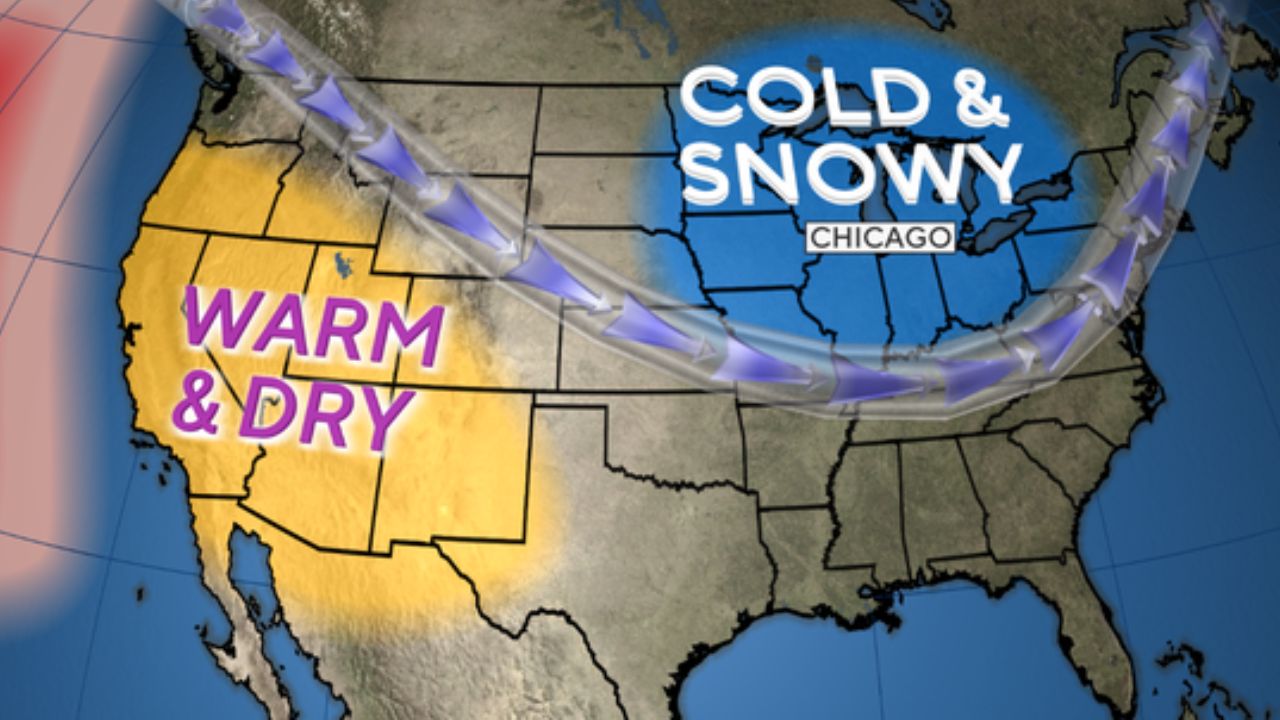
A warm blob in the North Pacific usually corresponds with high pressure over the ocean, causing a northward bump in the jet stream. This displacement often triggers a trailing dip in the jet stream across the U.S., allowing Arctic air to sweep south and bringing heavy snowfall to the Upper Midwest, including Chicago.
- During the 2013-2014 winter, Chicago experienced its third-coldest winter on record, with average temperatures of 18.8°F—far below the typical 27.7°F.
- Snow fell nearly every other day, with January totals reaching nearly three feet, and winter snowfall hitting 67.4 inches, compared to an average of 29.6 inches.
- Chicago O’Hare recorded at least one inch of snow on the ground for 52 consecutive days, while Rockford had 93 days of snow cover, its third-longest streak.
La Niña Adds to Winter Risks
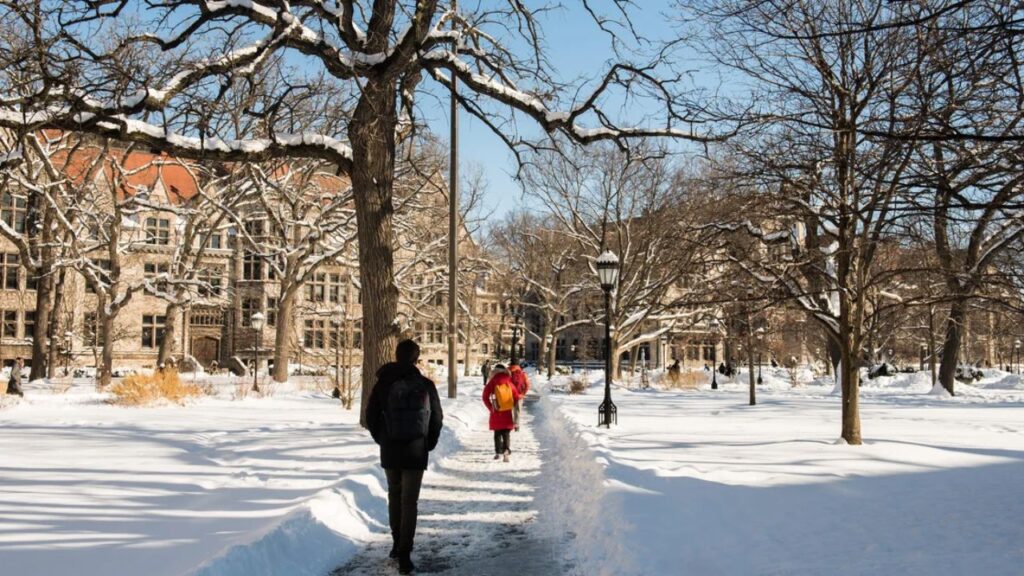
Current La Niña conditions, in place since October 2025, further favor cold, snowy winters in the Great Lakes region, mirroring patterns observed in 2013-2014, as per CBS News.
- Previous years with warm blob events and La Niña included 2010-2011, Chicago’s 10th-snowiest winter with 56.3 inches, and 2021-2022, which had near-normal snowfall of 28.6 inches.
- While the warm blob suggests a snowier season, other factors—like warmer winter trends—could moderate snowfall.
The Role of Climate Change
Chicago winters are currently warming faster than other seasons, with average winter temperatures rising 3.5°F since 1990. This warming can turn potential snow events into sleet or rain, slightly offsetting the impact of the warm blob.
- Record-warm Lake Michigan temperatures this autumn may boost lake-effect snow early in the season but could also keep some lakeside communities above freezing.
Preparing for Winter
Meteorologists advise residents to anticipate cold temperatures, frequent snowfall, and occasional severe winter conditions, particularly if the blob-La Niña combination strengthens.
- Drivers should prepare for icy roads and snow-covered streets.
- Homeowners may want to check heating systems and stock up on winter supplies.
- Outdoor event organizers should monitor forecasts closely as conditions may change rapidly.
While uncertainties remain, Chicago’s winter outlook is tilting toward a long, cold, and potentially snowy season, echoing the extreme winter of 2013-2014.
Do you think Chicago is ready for another harsh winter like 2013-2014? Share your thoughts and preparations in the comments below.