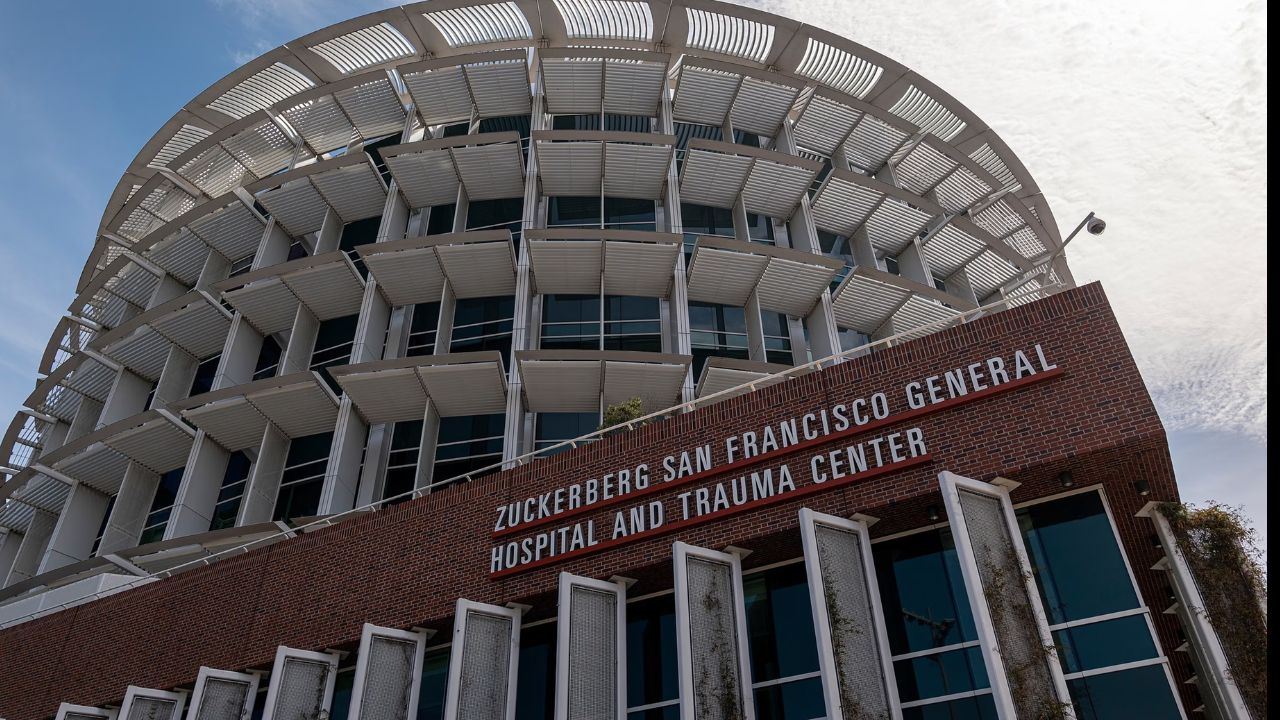
San Francisco, California — A violent attack inside Zuckerberg San Francisco General Hospital has left a 31-year-old social worker dead and raised serious concerns about hospital security protocols.
The fatal stabbing occurred on December 4, prompting renewed criticism from officials who say the incident was both predictable and preventable in light of ongoing safety concerns in high-risk units.
Social Worker Attacked in Hospital Ward
According to the San Francisco County Sheriff’s Office, the attack took place around 1:30 p.m. in Ward 86, an area of the hospital with a history of safety issues. Hospital staff had earlier requested security for a doctor who had received threats from a patient in the ward.
Investigators say a sheriff’s deputy assigned to protective duty heard a disturbance in the hallway and immediately responded.
“The deputy intervened immediately, restraining the suspect and securing the scene,” officials stated.
During the attack, the social worker—identified only as a University of California, San Francisco employee—sustained multiple stab wounds to the neck and shoulders. Hospital staff performed CPR and rushed the victim to an operating room, but the injuries proved fatal. The victim died two days later, according to San Francisco police.
Suspect Arrested; Knife Recovered at the Scene
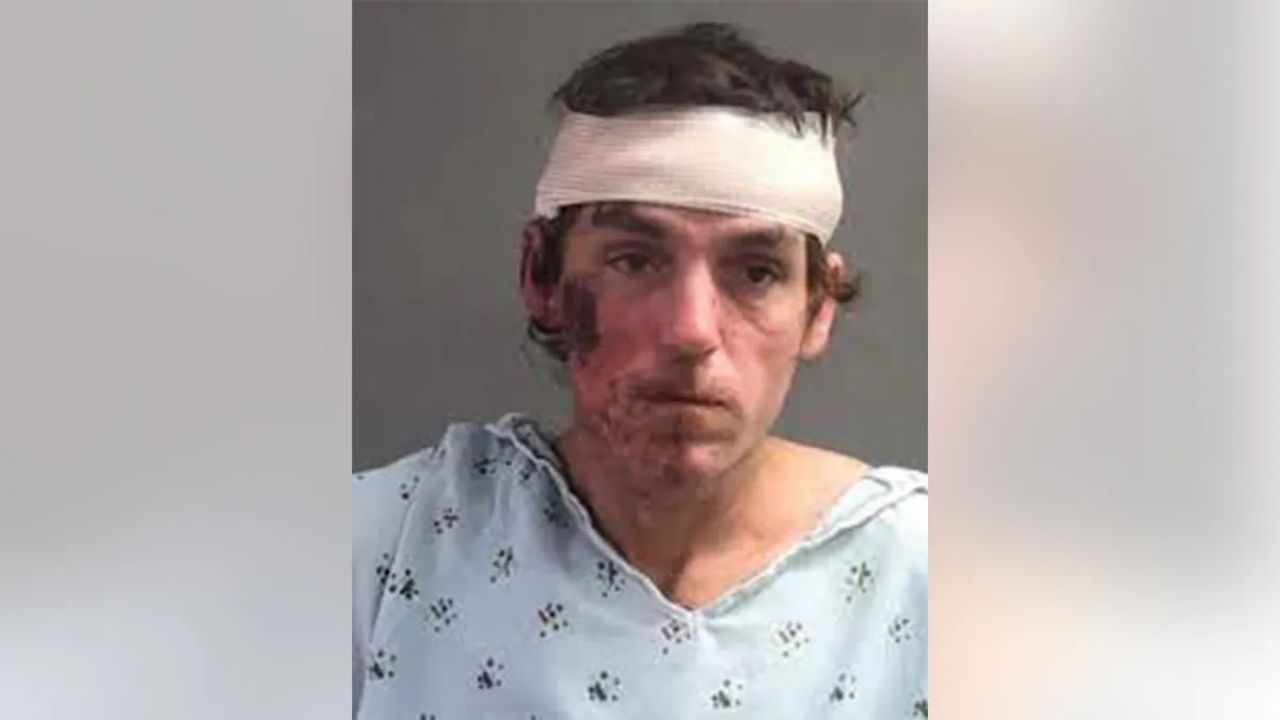
Authorities identified the suspect as 34-year-old Wilfredo Tortolero Arriechi, a San Francisco resident. He was subdued at the scene and taken into custody without further incident. Officials recovered a five-inch kitchen knife believed to have been used in the stabbing.
Arriechi has been booked on multiple charges, including attempted murder, assault with a deadly weapon, mayhem, and being armed during the commission of a felony. Following the victim’s death, charges are expected to be upgraded to reflect the homicide.
Union Says Security Cuts Contributed to the Attack
Two days after the stabbing, the San Francisco Deputy Sheriff’s Association issued a forceful statement blaming recent security staffing reductions for creating dangerous conditions inside the hospital.
“This tragedy is exactly what deputies and staff warned would happen when the Department of Public Health cut deputy sheriff positions and shifted to a ‘response-only’ security model,”
the union wrote.
The association cited internal hospital data showing an average of six physical assaults with injury per month over the past year. They warned that removing deputies from high-risk posts and replacing them with unarmed personnel left staff vulnerable to violence.
DSA President Ken Lomba said the incident was not an unforeseeable outlier.
“This was not a random, unforeseeable incident,” he said. “Deputies, nurses, and social workers told DPH that pulling deputies off high-risk units would get someone seriously hurt or killed. On December 4, that prediction came true.”
Health Officials Respond With New Safety Measures
The San Francisco Department of Public Health responded by saying new steps are being taken to improve hospital security. These include additional security personnel, upcoming weapons-detection systems, and limited access points for unauthorized individuals.
Officials emphasized their commitment to improving safety while balancing the needs of a busy medical facility. They added that more resources are being directed toward high-risk areas, including Ward 86.
Read Also: Teen Finds Mother Murdered and Stepfather Covered in Blood After Domestic Attack
Hospital Staff and Patients Shaken but Secure, Officials Say
Sheriff’s investigators confirmed that security remains in place in Ward 86 following the fatal attack.
Authorities reassured the public that while hospital staff and patients were understandably shaken, there is no ongoing threat to the community.
The tragedy has sparked renewed discussion about workplace safety for social workers, nurses, doctors, and other hospital staff who often interact with patients in crisis. Many are calling for stronger preventive measures to ensure that employees are protected while providing critical care.
Share Your Thoughts
How should hospitals strengthen security and protect staff working in high-risk units? Share your thoughts in the comments below.