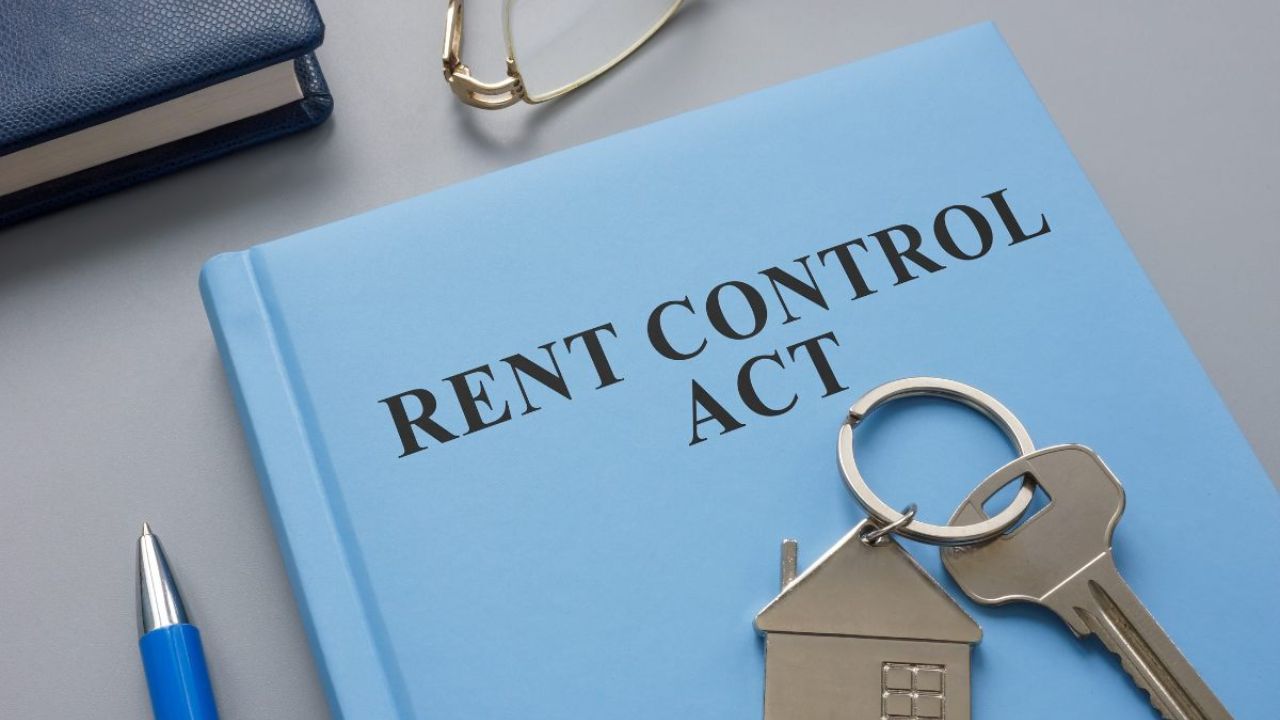
Nevada is introducing comprehensive rent control reforms in 2025, aimed at protecting tenants from sudden rent increases while providing clear guidelines for landlords. With housing affordability becoming a pressing concern, particularly in urban areas like Las Vegas and Reno, the new regulations seek to create a more stable and fair rental market for residents across the state.
New Rent Caps
A central feature of the Nevada Rent Control 2025 law is the introduction of annual rent increase caps. Key points include:
- Rent increases limited to a percentage based on the consumer price index (CPI) to prevent sudden financial strain.
- Exceptions allowed for major property renovations or increased operating costs.
- Caps apply to both new leases and renewals, ensuring predictable rent adjustments.
- Encourages landlords to plan budgets and improvements within the established limits.
Enhanced Tenant Rights
The legislation strengthens tenant protections, giving renters more security and a process to challenge unfair practices:
- Advance written notice is required for any rent increase.
- Tenants can contest excessive rent hikes through housing authorities or advocacy groups.
- Eviction protections prevent removal without proper legal cause.
- Habitability standards ensure rental units are safe and maintained.
- Protection against discrimination and retaliation for asserting rights under the law.
Guidelines for Landlords
Landlords must follow transparent procedures under the new law. Guidelines include:
- Maintain records of rent adjustments, leases, and property improvements.
- Ensure open communication with tenants regarding rent changes.
- Fulfill all maintenance and habitability obligations.
- Follow proper eviction procedures and provide cause when necessary.
- Avoid practices that could be considered retaliatory or discriminatory.
Impact on Nevada Residents
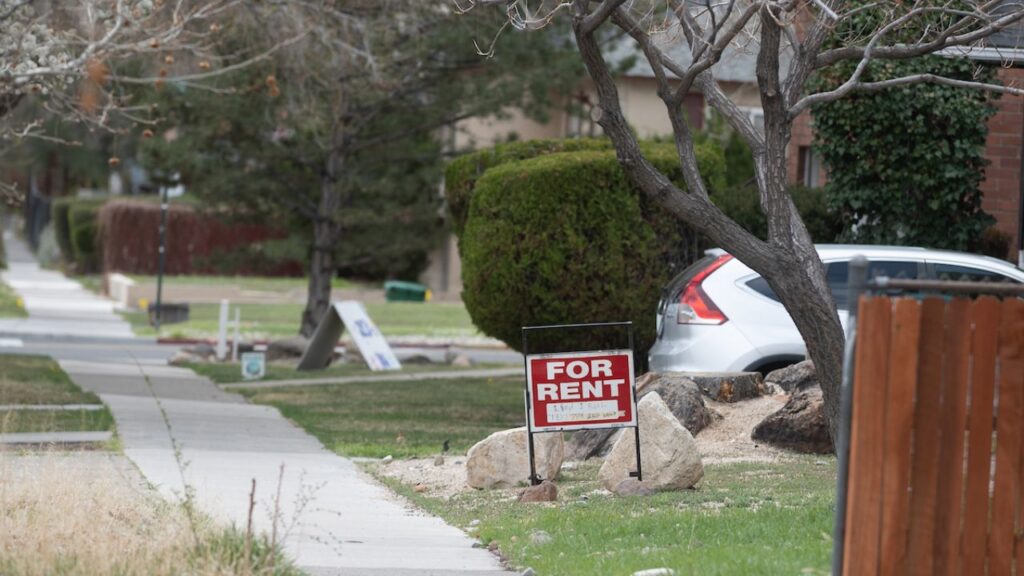
The new rent control measures will affect tenants and landlords alike:
- Tenants gain predictable rent increases, stronger legal protections, and improved housing stability.
- Landlords benefit from clear guidelines, reducing potential legal conflicts.
- Addresses rising housing costs, particularly for low- and moderate-income residents.
- Promotes a balanced and sustainable rental market.
Education and Awareness
Understanding rights and responsibilities is essential for both tenants and landlords:
- Tenants should review leases carefully and seek guidance from advocacy groups.
- Landlords should consult legal resources to ensure compliance.
- Community organizations, housing authorities, and local government offices will provide educational programs and resources.
Looking Ahead
Nevada’s 2025 rent control reforms mark a significant step toward a fairer rental market. Tenants now enjoy stronger safeguards against steep rent hikes, while landlords have clear rules to manage their properties responsibly. Staying informed and proactive is essential to ensure a stable, balanced housing environment across the state.
We want to hear from you! Share your experiences, questions, or opinions about Nevada’s 2025 rent control rules in the comments below. Your insights can help other tenants and landlords navigate the new regulations and make informed decisions.