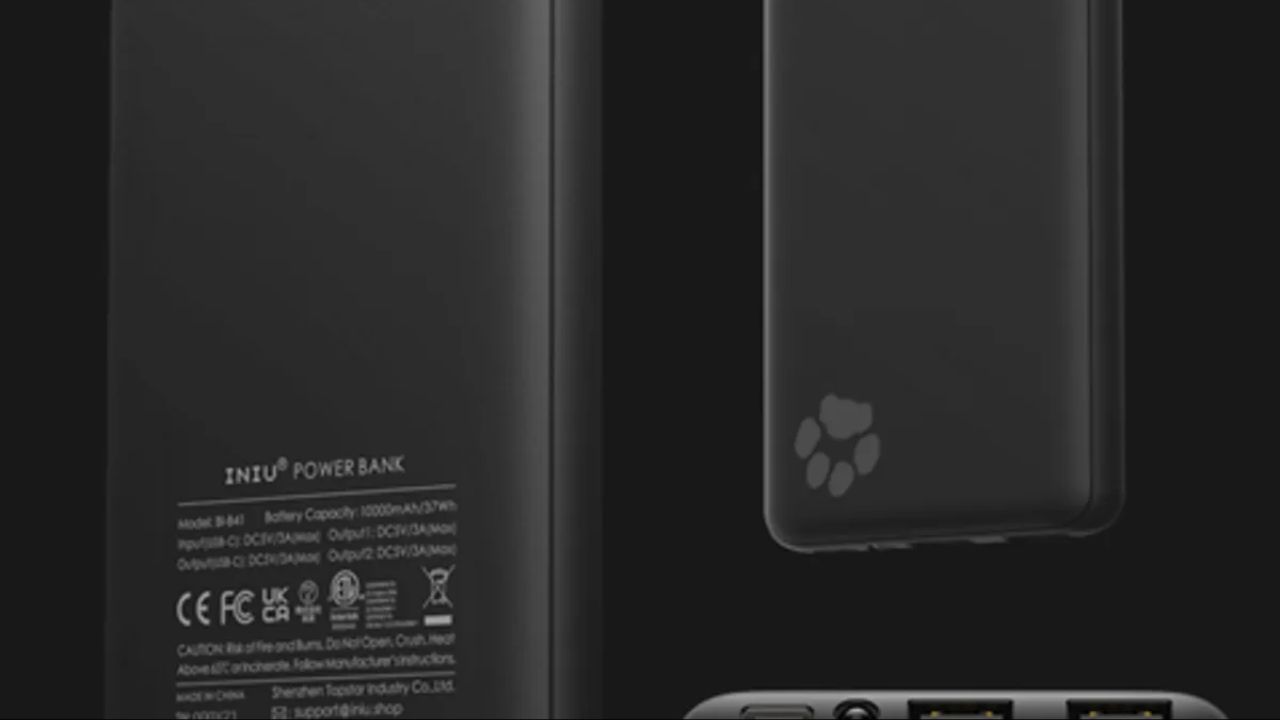
Washington, D.C. — A major consumer safety alert has been issued after more than 210,000 portable lithium-ion power banks sold on Amazon were recalled due to risks of overheating, fire, and burn injuries. Federal regulators say the recalled model—INIU 100,000mAh Power Bank, model BI-B41—poses significant danger to consumers and should no longer be used.
Power Banks Reported to Overheat and Ignite
According to the Consumer Product Safety Commission (CPSC), the recalled power banks were sold on Amazon between August 2021 and April 2022. The devices feature a black or blue casing, the INIU logo, and a distinctive paw-print LED light on the front.
CPSC officials say the power banks can overheat and ignite, creating a serious risk of burns or fire damage. The company behind the devices confirmed at least 15 reports of overheating, including 11 fires that caused minor burn injuries and property damage.
Only devices with the following serial numbers are included in the recall:
- 000G21
- 000H21
- 000I21
- 000L21
Customers who purchased one of the affected units are urged to stop using it immediately.
Customers Eligible for Full Refund
INIU has established a recall verification process on its website. Consumers can check their device’s serial number and register for a full refund if their power bank is part of the recall.
Officials stress that users should not attempt to use or recharge a recalled unit under any circumstances. Because lithium-ion batteries can ignite even when unused or unplugged, the risk continues until the product is safely disposed of or returned.
Lithium-Ion Battery Risks Continue Rising Nationwide
Lithium-ion batteries are now nearly universal—found in smartphones, tablets, home appliances, e-bikes, power tools, toys, and countless portable devices. But their widespread use has also brought a surge in fire incidents reported across the country.
According to the National Fire Protection Association (NFPA), consumers should stop using lithium-ion products if they detect:
- burning odors
- excessive heat
- discoloration
- swelling or a change in shape
- leaking fluid
- hissing or unusual noises
These signs can indicate imminent failure or ignition.
Safety experts emphasize storing lithium-ion devices in cool, dry areas and keeping them away from beds, couches, and combustible materials while charging.
Read Also: Patient Stabs Social Worker to Death Inside Hospital; Officials Call Tragedy “Preventable”
Important Disposal Guidelines for Recalled Batteries
Because lithium-ion batteries pose a fire hazard even when damaged or defective, they cannot be thrown in household trash, curbside recycling bins, or battery drop-off boxes. Discarding them improperly may spark a fire in trash trucks or waste facilities.
The CPSC advises consumers to contact their local household hazardous waste (HHW) collection center for specific disposal instructions. Many municipalities have special programs or drop-off events to safely handle recalled or damaged batteries.
Consumer Safety Officials Urge Immediate Action
Federal regulators say recalls like this highlight the importance of registering or documenting online purchases of battery-powered electronics. With many lithium-ion products sold by third-party sellers, it can be difficult for consumers to receive direct notification about hazards unless they actively check for recalls.
The CPSC continues to monitor products across major online marketplaces and warns that consumers should stay vigilant when purchasing high-capacity battery packs.
Share Your Thoughts
Do you think large online platforms should take more responsibility for screening unsafe lithium-ion products before they reach consumers? Share your thoughts in the comments below.