St. Louis, MO — A Missouri man learned a hard lesson about honesty after trying to pay for his meal with a fake $1,000 bill at a popular local restaurant. Within hours of being publicly identified online, he returned to apologize and pay his bill in full.
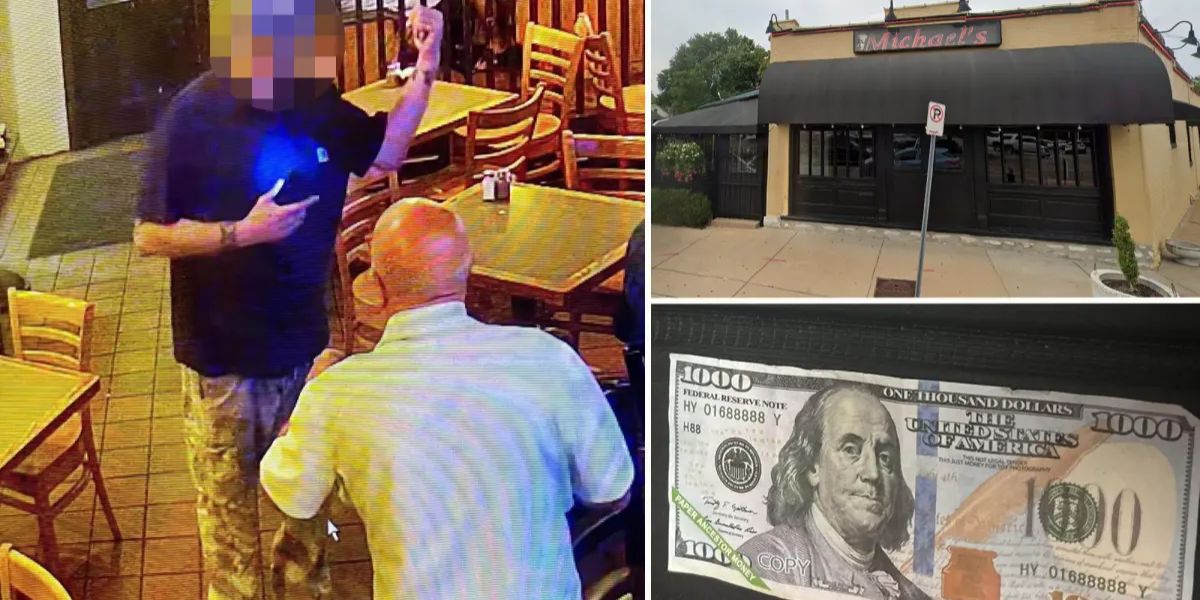
The incident took place at Michael’s Bar and Grill, a well-known Greek restaurant in St. Louis, on Tuesday, October 14. Staff say the man ordered a hamburger and sides totaling around $40, then attempted to settle the bill with what appeared to be a $1,000 note.
Fake $1,000 Bill Sparks Online Hunt
The employee accepted the payment initially, unaware that the bill was counterfeit. After the man left, staff realized it wasn’t real currency but “ancestor money” — a symbolic offering used in Chinese cultural rituals.
“We didn’t notice it right away,” an employee told local outlet First Alert 4. “By the time we realized it was fake, he was already gone.”
According to PEOPLE, the U.S. Bureau of Engraving and Printing confirms that $1,000 bills were discontinued in 1969 and haven’t been printed since 1945, though legitimate ones still exist as collector’s items. The note the customer used, however, clearly wasn’t authentic.
Restaurant’s Clever Response Pays Off
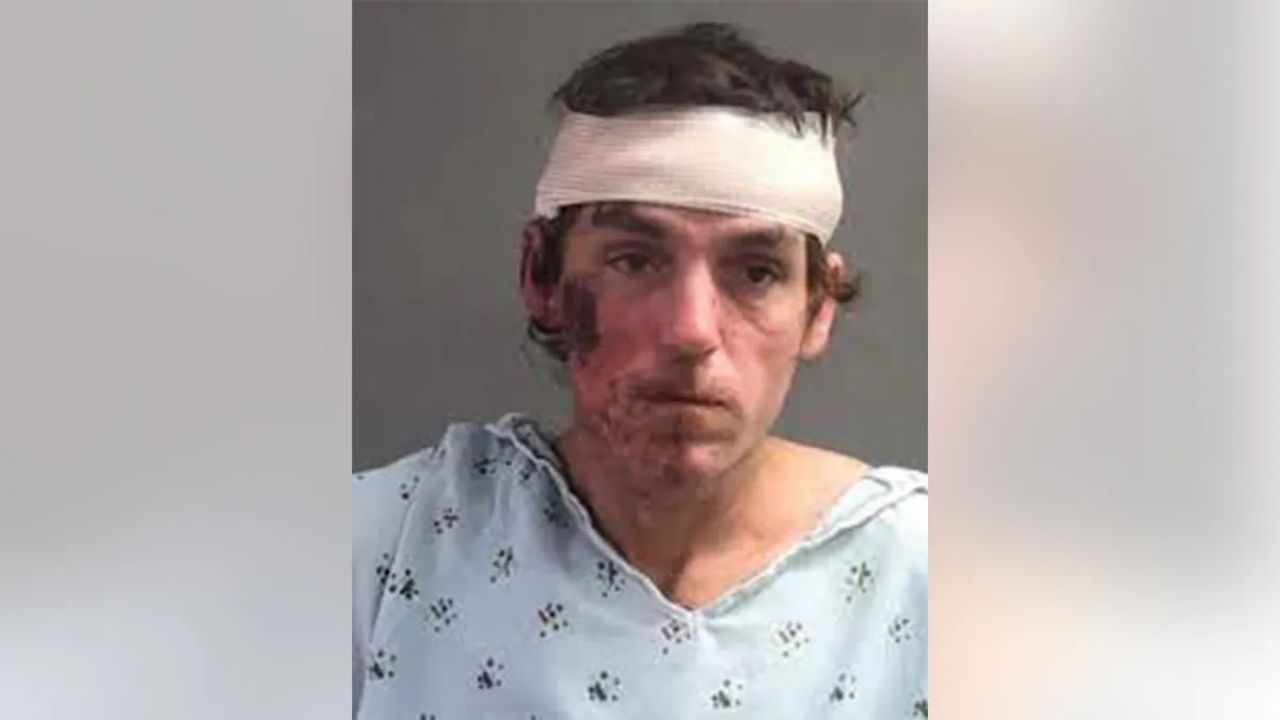
In response, Michael’s Bar and Grill decided to take matters public. Staff posted the man’s photo on Facebook, alerting followers to the dine-and-dash incident.
Employee Kristina Moriarty said the restaurant has seen a rise in dine-and-dash cases, prompting management to install more cameras and license plate readers.
“Here’s the thing — if you do this, we are going to expose you, and we’re going to make it aware,” bartender Dawn Lamb said. “So we again can prevent this from happening.”
The social media post quickly went viral, gaining hundreds of shares and comments. Within hours, the man reportedly returned to the restaurant, apologized to staff, paid his bill, and even tipped the server.
A Growing Trend of Restaurant Accountability
Local business owners say more restaurants are using social media to shame customers who skip out on bills as a deterrent. By sharing surveillance photos, establishments hope to reduce theft and recover losses.
Michael’s Bar and Grill, which has been operating in St. Louis for years, said it would continue posting incidents publicly if necessary.
“It’s not about embarrassing anyone,” Moriarty explained. “It’s about making sure it doesn’t keep happening.”
A Heroic Restaurant Moment Goes Viral
Interestingly, this isn’t the only restaurant story making headlines this month. In Louisiana, a teen worker named Madison Brydels became an internet hero after saving a choking customer at Budatan restaurant in Moss Bluff.
Security footage showed Brydels calmly performing the Heimlich maneuver before walking away “like a boss,” drawing praise from viewers online.
Her quick thinking, shared widely on Facebook, stood in sharp contrast to the St. Louis diner’s poor judgment — a reminder that restaurant workers can experience both acts of kindness and dishonesty in their daily shifts.
What are your thoughts on how businesses use social media to hold people accountable? Share your views in the comments below.