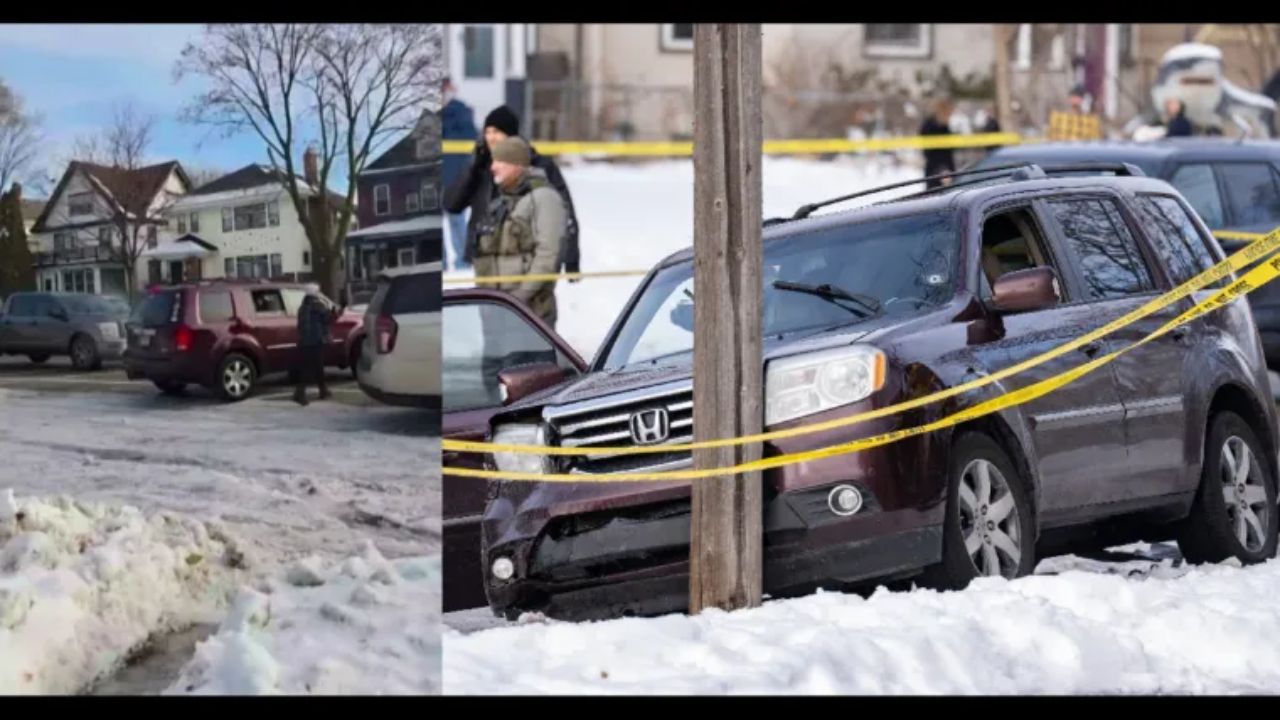
Minneapolis, Minnesota – The fatal shooting of a 37-year-old woman by an Immigration and Customs Enforcement officer in a residential neighborhood of south Minneapolis has reopened deep emotional wounds for a city still grappling with the legacy of George Floyd’s killing and a series of recent violent tragedies.
On Wednesday, federal authorities confirmed that Renee Good was shot and killed while sitting inside her vehicle during an encounter with an ICE officer. The shooting occurred less than half a mile from where George Floyd was murdered by Minneapolis police in May 2020, an event that sparked a global reckoning over racism, policing, and racial justice. The incident was first detailed by CBS News.
Parallels Drawn to George Floyd’s 2020 Killing
Although the circumstances of the two deaths differ, the proximity and the visuals have drawn immediate comparisons. Both Floyd and Good died during encounters with law enforcement, and both incidents were captured on cell phone video that spread rapidly online.
For Angela Harrelson, Floyd’s aunt, the similarities are painfully clear.
“They weren’t treated like human beings,” Harrelson told CBS News, describing the common thread she sees between her nephew’s death and the killing of Renee Good.
Floyd’s murder, which happened during an arrest over a suspected counterfeit bill, ignited protests across the world and forced sweeping conversations about police accountability that continue to shape public policy today.
A Different Community Reaction This Time
Despite the emotional parallels, the public response to Good’s death has been markedly different. Minneapolis has not seen the same scale of unrest that followed Floyd’s killing five years ago.
When asked why the reaction has been calmer, Harrelson suggested the fight has not disappeared—it has evolved.
“The fight is in here always,” she said. “We’re just being strategic. But we know what we have to do.”
Community leaders say the city’s response reflects exhaustion, grief, and a determination to channel anger through organized action rather than spontaneous chaos.
A City Still Mourning Multiple Tragedies
The shooting comes during an especially difficult period for south Minneapolis. In the past six months alone, the community has endured multiple devastating events.
In September, a shooting at Annunciation Catholic School killed two children and injured 21 others. Earlier this year, Minnesota was also shaken by the assassination of Democratic state Rep. Melissa Hortman and her husband, a crime that deeply unsettled the political and civic landscape.
Residents say the accumulation of trauma has changed how the city processes new tragedies.
Broader State Turmoil Adds to the Strain
Beyond violence, Minnesota is facing a massive billion-dollar fraud scandal, with federal prosecutors alleging that nearly 100 suspects—most of them immigrants from Somalia—defrauded the state by billing for nutrition, housing, and behavioral health services that never occurred.
The overlapping crises have left many Minnesotans feeling overwhelmed and wary of further division.
“In Minnesota, when you look at it, this has been a time like none other,” said Lisa Demuth, Speaker of the Minnesota House. “Something that makes Minnesotans stand apart is, when we choose to, we can pull together.”
Questions Remain as Investigation Continues
Federal authorities have not yet released full details about what led to the ICE officer opening fire. The investigation is ongoing, and officials have not commented on whether the officer has been placed on administrative leave.
As video of Renee Good’s death continues to circulate, civil rights advocates and community leaders say transparency will be critical to maintaining public trust—especially in a city where memories of 2020 remain raw.
The shooting adds another chapter to Minneapolis’ long struggle with law enforcement accountability, one that residents say cannot be separated from the city’s recent past.