Miami Beach, Florida – A visit by Miami Beach police detectives to the home of a local resident over a Facebook comment criticizing the city’s mayor has escalated into a national controversy, drawing condemnation from First Amendment advocates and raising fresh concerns about police overreach and protected political speech. The incident, first reported by The Washington Post, has since gone viral and prompted scrutiny from civil liberties organizations.
Viral Video Shows Police Questioning Over Political Speech
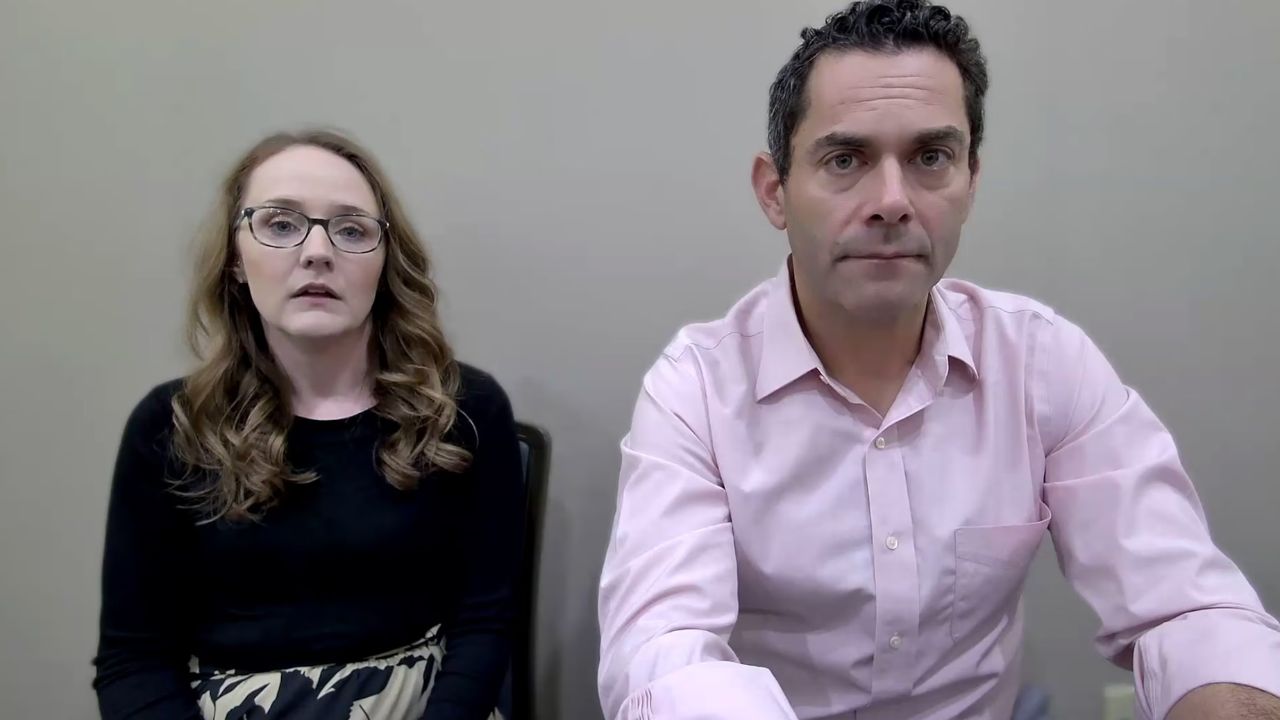
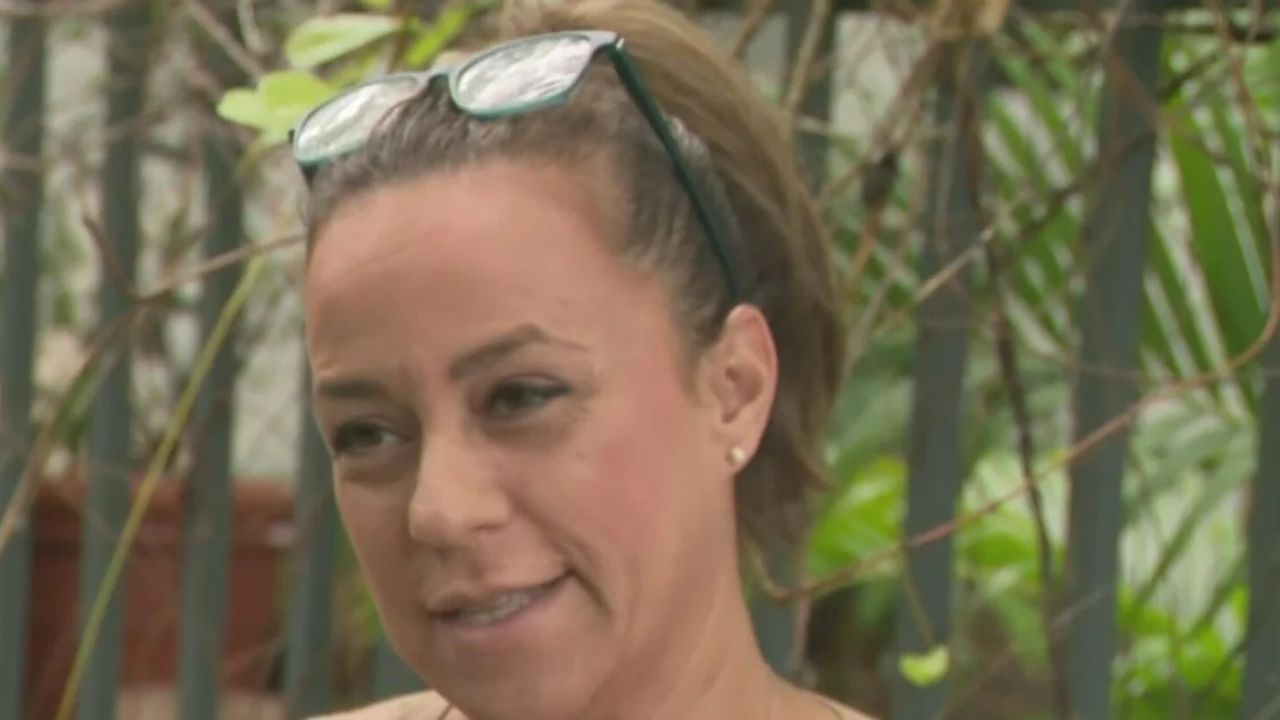
The controversy stems from a January 12 visit by two Miami Beach Police Department detectives to the home of Raquel Pacheco, a military veteran and Miami Beach resident. A video recorded by Pacheco shows the detectives questioning her about a Facebook comment she posted criticizing Miami Beach Mayor Steven Meiner.
The comment, made under a post by Meiner describing Miami Beach as a “safe haven for everyone,” accused the mayor of “consistently call[ing] for the death of all Palestinians.” Meiner is Jewish, and the detectives told Pacheco that her remark could potentially “incite somebody to do something radical.”
“This is freedom of speech, this is America, right? I’m a veteran,” Pacheco told the officers in the video.
“And I agree with you 100 percent,” one detective responded, adding that they were only trying to confirm whether she authored the comment.
Police Say Visit Was Preventative, Not Investigative
During the exchange, detectives emphasized that they were not accusing Pacheco of a crime.
“We’re just trying to prevent someone else from getting agitated or agreeing with the statement,” one detective said. “We’re not saying it’s true or not.”
Pacheco declined to answer further questions without a lawyer. In a later interview, she said her comment constituted political expression, not incitement.
“If we can’t hold this line, we are screwed,” she said.
Free Speech Group Condemns Police Conduct
The Foundation for Individual Rights and Expression (FIRE) responded swiftly, sending a formal letter to Miami Beach Police Chief Wayne Jones condemning the officers’ visit.
“The purpose of their visit was not to investigate a crime,” wrote Aaron Terr, FIRE’s director of public advocacy. “It had no purpose other than to pressure Pacheco to cease engaging in protected political expression.”
Terr described the encounter as “a blatant overreach” and warned that such actions chill constitutionally protected speech.
Legal Standard for Incitement Not Met, Experts Say
First Amendment experts note that the bar for government intervention based on incitement is intentionally high. Under Brandenburg v. Ohio, the Supreme Court requires proof that speech is intended, imminent, and likely to result in violence.
Pacheco’s comment included no call to action, directive, or immediate threat — elements typically required to meet the legal definition of incitement.
Police Chief Defends Visit Amid Criticism
Chief Wayne Jones defended the detectives’ actions in a public statement, saying the department was attempting to prevent potential harm amid heightened concerns over antisemitic attacks and political violence.
“Given the real, ongoing national and international concerns surrounding antisemitic attacks and recent rhetoric that has led to violence against political figures, I directed two detectives to initiate a brief, voluntary conversation,” Jones said.
He added that the mayor did not direct the police action. However, reporting by the Miami Herald indicates that Meiner’s office initially flagged Pacheco’s comment to police.
Pattern of First Amendment Disputes in Miami Beach
This is not the first time Miami Beach officials have faced national criticism over alleged retaliation against protected speech tied to the Israel–Hamas conflict.
Last year, Mayor Meiner attempted to revoke the lease of a local movie theater for screening an Oscar-winning documentary about the conflict. The proposal was withdrawn following widespread backlash from free speech advocates.
Similar Incidents Raise Broader Concerns
Civil liberties groups also point to similar incidents in South Florida. In 2024, the Hendry County sheriff accused an environmental advocacy group, Captains for Clean Water, of “fueling hostility” based on angry social media comments — despite no resulting criminal investigations.
Critics argue that such public denunciations and unofficial police visits exceed law enforcement authority and function primarily as intimidation.
“Law enforcement officers making a surprise appearance on an individual’s doorstep to convey official disapproval of protected expression represents an egregious abuse of power,” Terr wrote. “It undermines public confidence and chills First Amendment rights.”