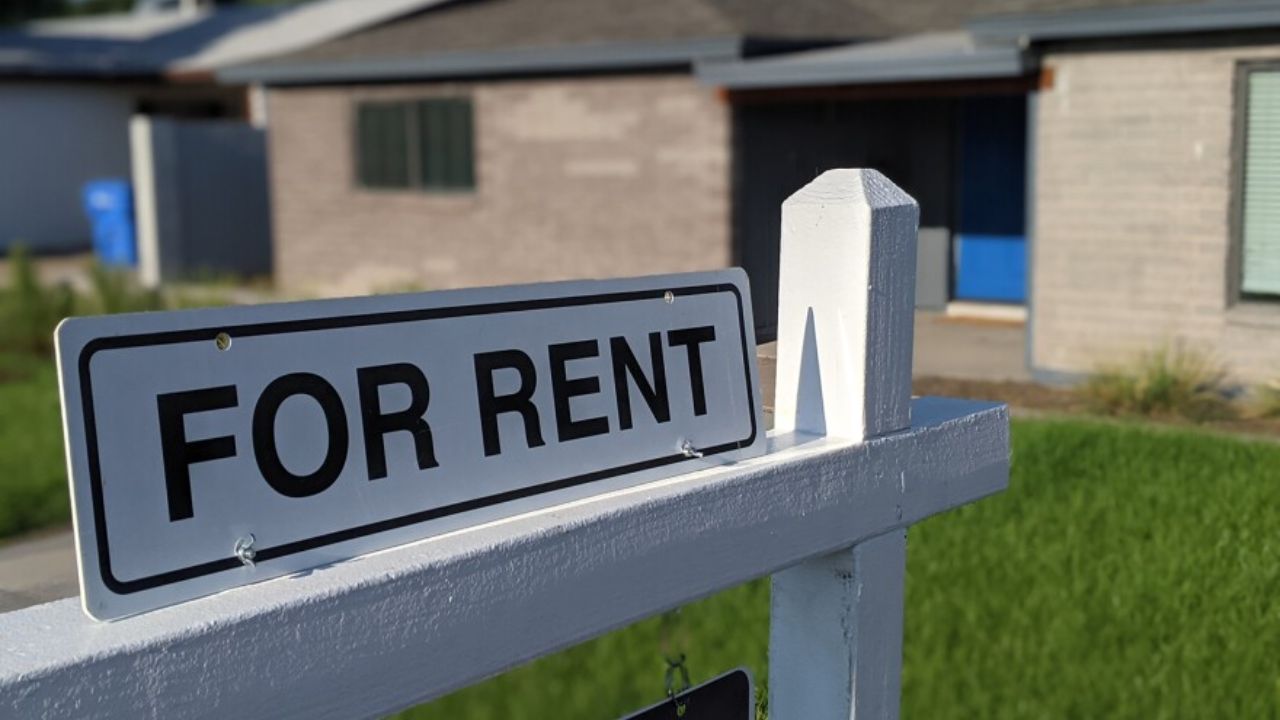
Los Angeles city officials are intensifying efforts to implement stronger rent stabilization measures, aiming to address rising housing costs and provide greater security for tenants. The move has sparked debate among tenants, landlords, and housing advocates about its potential impact on the city’s rental market.
What Rent Stabilization Entails
The measures focus on limiting annual rent increases, strengthening tenant protections, and preventing unjust evictions in Los Angeles. Under the plan, landlords would face restrictions on how much they can raise rent each year, with exceptions for certain improvements or new developments.
Key aspects include:
- Capped Rent Increases: Annual rent hikes would be limited to a set percentage tied to inflation or a fixed rate determined by the city.
- Enhanced Tenant Protections: Landlords would be required to provide more notice for evictions and follow stricter guidelines when terminating leases.
- Regulation of Lease Terms: New provisions would prevent sudden, excessive rent increases and establish clearer rules for lease renewals.
Impact on Tenants
For tenants, the new regulations promise greater financial stability and security. Many renters in Los Angeles have faced significant increases in monthly rent over the past decade, often forcing families to relocate frequently or leave the city altogether.
- Tenants may benefit from predictable rent adjustments, making budgeting easier.
- Families facing eviction may have more time and legal avenues to contest unfair evictions.
- Long-term residents may experience increased housing security, reducing displacement in vulnerable communities.
Implications for Landlords
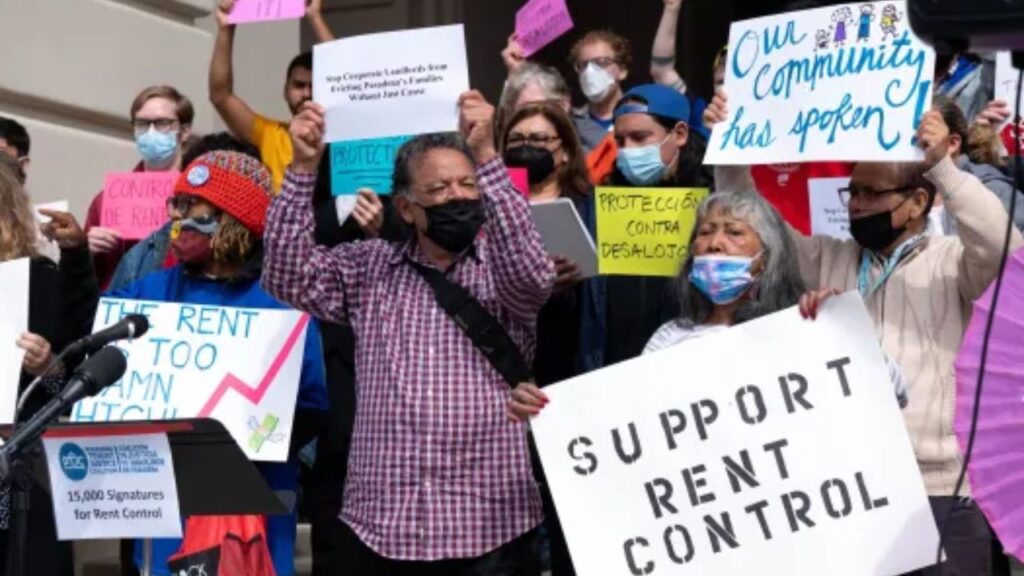
While tenants may see advantages, landlords express concerns about potential challenges:
- Restrictions on rent increases could limit profit margins, particularly for smaller property owners.
- Compliance with new rules may require additional administrative efforts and documentation.
- Some landlords warn that tighter regulations could discourage investment in rental properties or lead to reduced maintenance due to limited revenue growth.
Balancing Interests
City officials argue that rent stabilization is necessary to balance affordable housing needs with property owners’ rights. Supporters say the measures will prevent displacement in high-demand neighborhoods and help maintain diverse communities. Critics, however, caution that overly strict regulations could stifle development and reduce available rental units.
Looking Ahead
The city council is expected to hold public hearings in the coming months to gather feedback from tenants, landlords, and housing experts. Any final decision could shape Los Angeles’ housing market for years to come, influencing rent affordability, housing availability, and the dynamics between renters and property owners.
As the debate continues, both tenants and landlords are urged to stay informed about the proposed rules and understand how they might affect their rights and responsibilities.