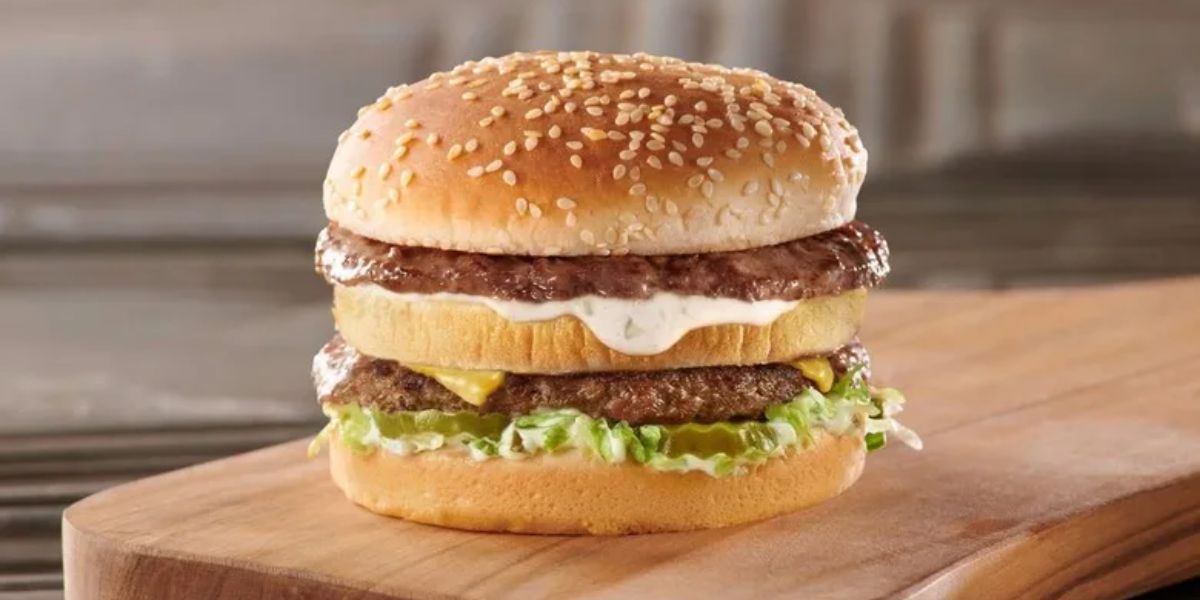
Cincinnati, OH — Nearly nine decades since its founding, the Big Boy Restaurant Group, a name synonymous with American diner-style comfort food, is closing all of its Dolly’s Burgers & Shakes locations in Cincinnati and Dayton, Ohio, marking a major setback for the iconic brand.
The closures, effective October 23, come amid a legal battle that has halted the company’s expansion plans and put its regional operations on pause.
“After careful evaluation, Big Boy Restaurant Group has determined that continuing to operate under these conditions is no longer sustainable or beneficial for its employees or the brand,” the company said in a statement.
Six Ohio Restaurants to Close
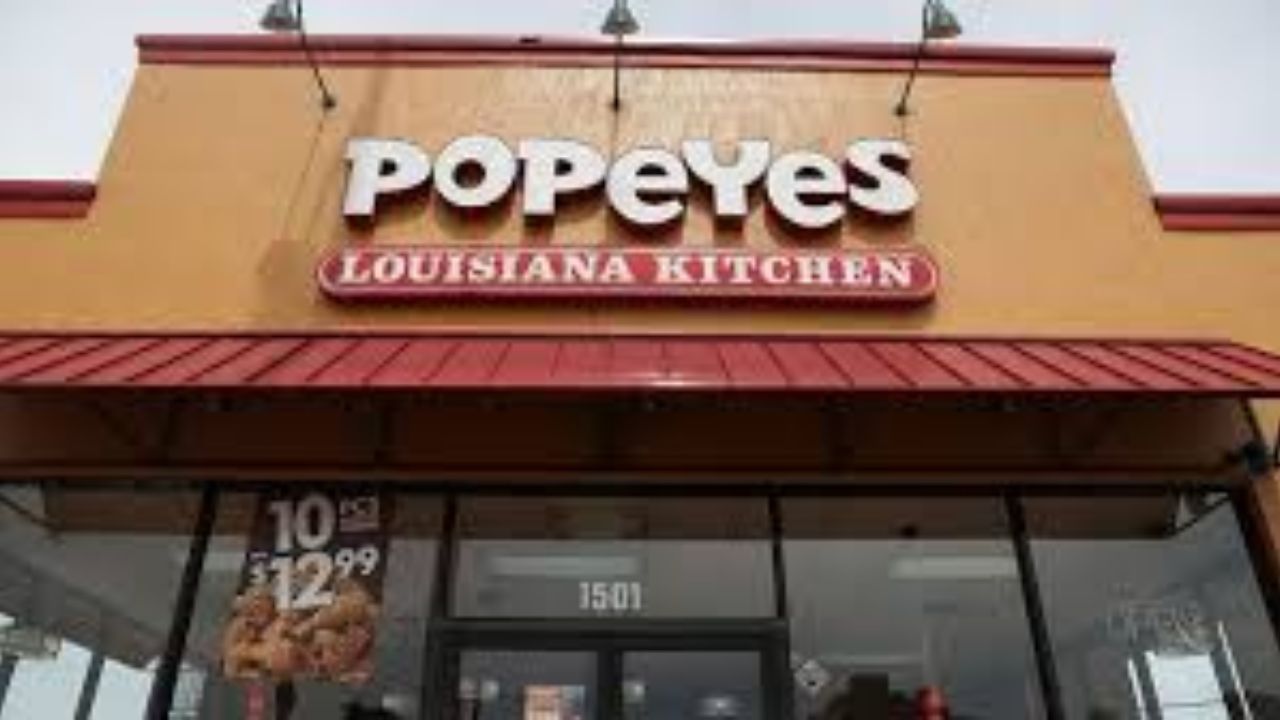
According to TheStreet, the company will shut down all six of its Dolly’s Burgers & Shakes locations across Southwest Ohio:
- 7706 Beechmont Ave, Cincinnati, Ohio 45255
- 9830 Colerain Avenue, Cincinnati, Ohio 45251
- 5202 Delhi Avenue, Cincinnati, Ohio 45238
- 8181 North Springboro Pike, Miamisburg, Ohio 45342
- 9070 Plainfield Rd, Cincinnati, Ohio 45236
- 20 Troy Town Dr, Troy, Ohio 45373
The decision comes just seven months after the group first launched the Dolly’s concept as a temporary rebrand.
Trademark Lawsuit and Rebranding
The closures stem from a trademark dispute with Frisch’s Big Boy, a long-time regional operator in Indiana, Kentucky, and select Ohio and Tennessee counties.
Earlier this year, Big Boy Restaurant Group took over leases for several Frisch’s Big Boy locations after franchisees failed to pay more than $4.5 million in rent. However, Frisch’s filed a lawsuit claiming that the use of the Big Boy name in these areas infringed on its existing trademark rights.
The court issued a temporary restraining order barring the company from using the Big Boy name in Southwest Ohio. As a result, the newly opened restaurants were quickly rebranded as Dolly’s Burgers & Shakes, named after the Big Boy mascot’s girlfriend.
“While Big Boy Restaurant Group is stepping back from the Southwest Ohio market at this time, the company remains hopeful that once the matter is resolved, it will be able to return and reopen its doors under the Big Boy name,” the group said in its release.
A Legacy Brand With Deep Roots
Big Boy’s legacy dates back to 1936, when founder Bob Wian purchased a small hamburger stand in California called Bob’s Pantry. The restaurant’s name changed to Bob’s Big Boy after a regular customer — an animator — sketched the now-famous Big Boy mascot on a napkin.
“The character became so beloved that in 1956, Big Boy got its own comic series, written by Stan Lee and produced by Timely Comics, which later became Marvel,” the company notes on its website.
The comic ran for four decades, making it the longest-running comic in American history.
Today, the Big Boy chain operates 53 restaurants across five states, serving classics like the Big Boy Burger, Classic Slim Jim, all-day breakfast, and its popular Hot Fudge Ice Cream Cake.
Restaurant Closures Reflect Industry Trend
While Big Boy’s legal challenges are unique, the closures reflect a larger pattern across the U.S. restaurant industry.
According to the U.S. Bureau of Labor Statistics, about 17% of new restaurants close within their first year, and nearly 50% fail within five years. Only 34.6% of restaurants survive beyond a decade, as reported by Oysterlink.
This year, major chains such as Red Lobster, TGI Fridays, Starbucks (SBUX), and Denny’s (DENN) have also shuttered dozens of locations, citing high costs, changing consumer habits, and post-pandemic recovery struggles.
Big Boy’s exit from Ohio underscores the growing challenges for legacy brands trying to balance tradition with modern market realities.
What are your thoughts on Big Boy’s closures and the future of classic American diners? Share your views in the comments below.