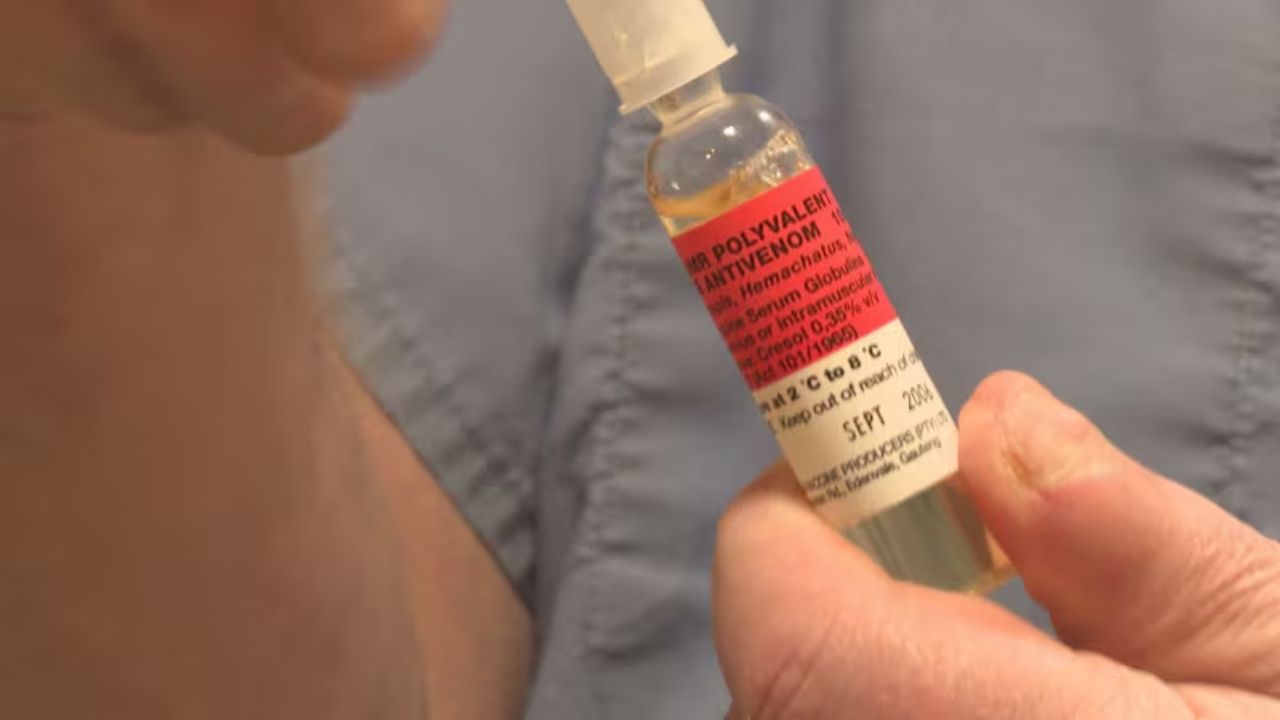
Powell County, KY – An emergency medical services (EMS) team in Kentucky is under investigation after administering antivenom to a man bitten by a Jameson’s mamba, a highly venomous snake, sparking a debate about protocol and patient care.
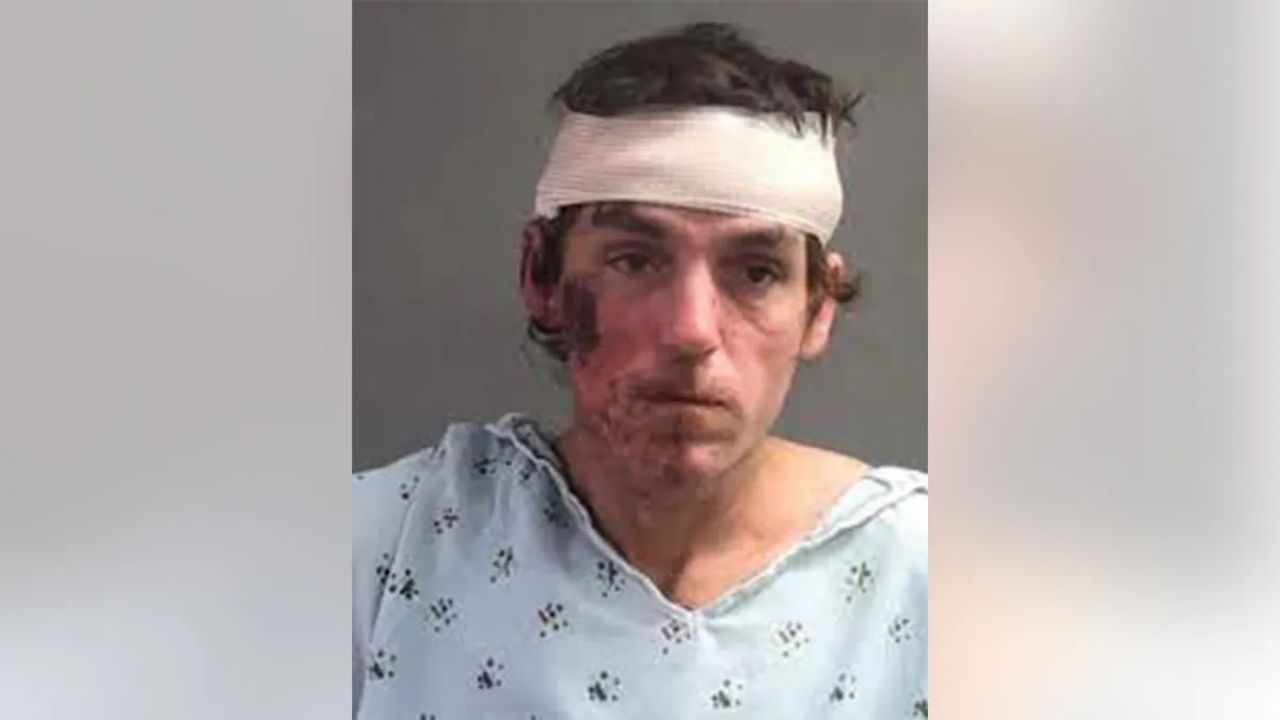
James Harrison, the director of the Kentucky Reptile Zoo, was bitten on the job in May, requiring swift medical intervention to save his life. However, the EMS team that responded by administering the antivenom is now facing potential disciplinary action from the Kentucky Board of Emergency Medical Services (KBEMS).
Emergency Response and Critical Decision-Making
After Harrison sustained the bite, first responders, including Powell County Judge-Executive Eddie Barnes, were called to his aid. As per reports, Harrison himself advised the team on the necessity of immediate antivenom administration, warning them of the severe stages of envenomation:
- First stage: paralysis
- Second stage: respiratory arrest
- Third stage: cardiac arrest
Despite difficulty reaching their EMS director, the team consulted medical staff at Clark Regional Medical Center and proceeded to administer the antivenom while awaiting helicopter transport to a University of Kentucky hospital.
“If we had sat there and let him die, then we would have been morally and ethically responsible, and we could have been criminally charged for his death,” said Barnes.
Support From Family and Medical Community
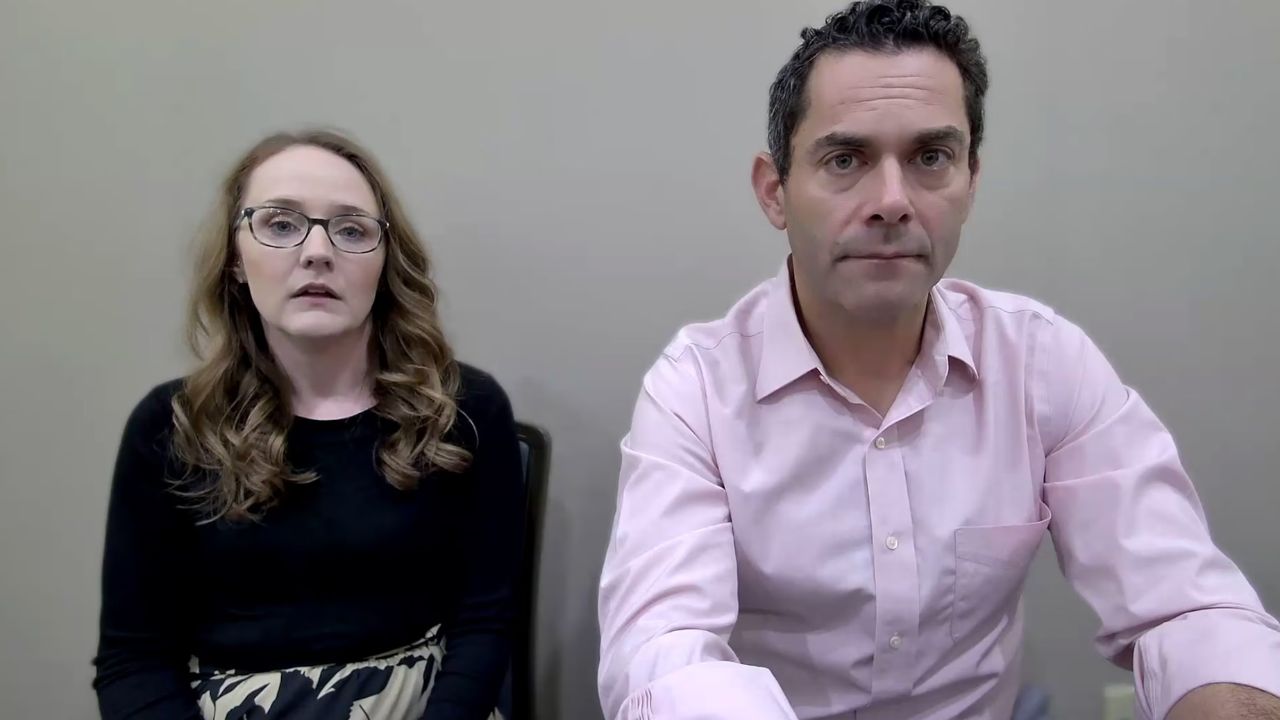
Harrison’s wife, Kristen Wiley, expressed deep gratitude for the EMS team’s quick action. She emphasized the consensus among physicians that the EMS workers were heroes who saved her husband’s life.
“Every physician that we’ve talked to about it… agrees that they were heroes and did what needed to be done to save him. That’s who I want working on me in an emergency,” Wiley stated.
Regulatory Conflict and Upcoming Hearing
The controversy stems from changes in KBEMS policy enacted two years ago, which now restrict the administration of antivenom to certified wilderness paramedics only. Barnes and other EMS personnel involved will soon face a hearing on September 30 to defend their actions and maintain their licensure.
- The policy change limits antivenom administration to wilderness paramedics.
- The hearing will determine if Barnes and his team violated KBEMS regulations.
- Barnes holds a paramedic license and stands by his decision.
What This Means for EMS Protocol and Patient Safety
This case highlights the challenges EMS teams face when immediate lifesaving measures conflict with regulatory frameworks. The tension between following policy and responding to critical emergencies underscores a need for potential reevaluation of EMS guidelines regarding rare but life-threatening scenarios like venomous snakebites.
Key Takeaways:
- James Harrison, bitten by a Jameson’s mamba, survived after EMS administered antivenom
- EMS team acted contrary to KBEMS policy limiting antivenom use to wilderness paramedics
- Upcoming KBEMS hearing on September 30 will address EMS licensing consequences
- Family and medical experts commend EMS team’s quick lifesaving actions
What do you think about the EMS team’s actions in this rare and critical emergency? Have you or someone you know been involved in such a medical situation? Share your thoughts and experiences in the comments below!