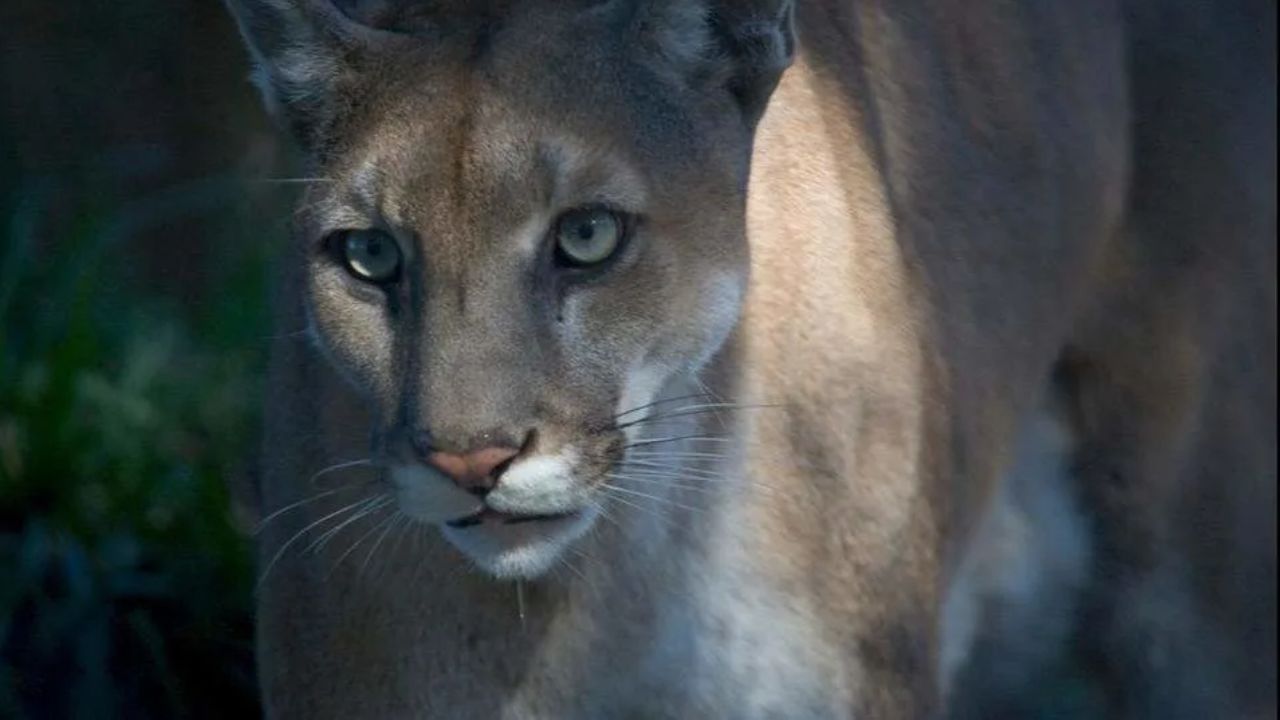
Miami, FL — The controversial immigration detention site known as “Alligator Alcatraz” could displace endangered Florida panthers from thousands of acres of their core habitat in the Everglades, according to expert testimony delivered in a federal courtroom Wednesday.
The statement came during a hearing in Miami federal court where environmental groups and the Miccosukee Tribe are suing the DeSantis and Trump administrations, alleging the facility was constructed without required environmental reviews.
“Panthers have been present around this site historically,” said Randy Kautz, a panther biologist who has studied their habitat for over two decades. “I am confident they are still there.”
The lawsuit, filed by Friends of the Everglades, the Center for Biological Diversity, and Earthjustice, seeks a temporary injunction to shut the facility down until a full environmental review is conducted, according to reporting by the Miami Herald.
Alligator Alcatraz Built Inside Panther Breeding Grounds
The facility sits within Big Cypress National Preserve, an area long documented as breeding grounds for Florida panthers. Kautz, testifying for the plaintiffs, described it as “source habitat,” meaning it’s essential for the species’ long-term survival.
“This project, if it continues, will add to that,” Kautz said. “Another brick in the wall, if you will.”
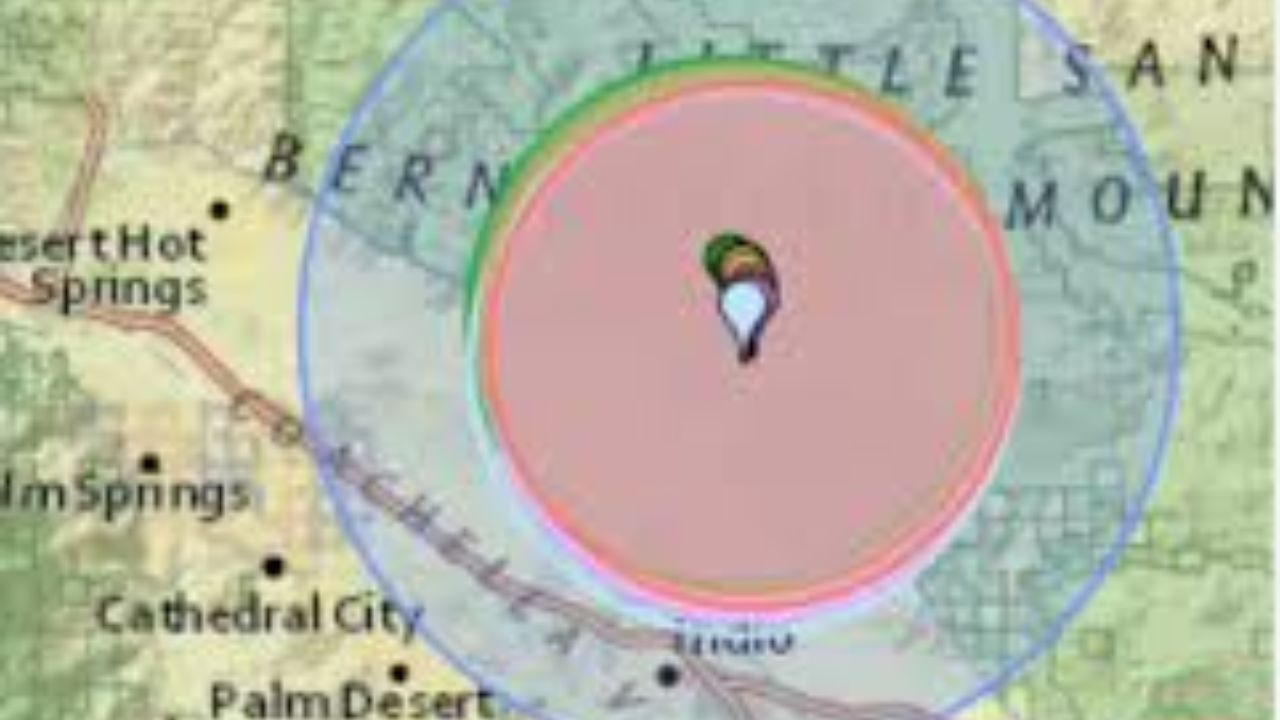
Maps created in partnership with the U.S. Fish and Wildlife Service show the site is surrounded by core panther territory. Kautz added that telemetry data shows radio pings from panthers within four miles of the location up until 2009 — a short distance for the big cats, who are known to roam large swaths of land daily.
Increased Light and Noise May Be Driving Panthers Out
Kautz explained that panthers typically avoid:
- Areas with high human activity by at least 200 meters
- Artificial lighting by up to 400 meters
Since Alligator Alcatraz began operating in late June, those factors may have significantly increased. Fencing, generator noise, and flood lighting now blanket the facility, according to multiple witnesses.
“Constricting their territory can lead to more panthers killing other panthers and strains on resources like food and shelter,” Kautz warned.
Models Kautz has worked with suggest that panther habitat will shrink 19% by 2070 due to a combination of sea-level rise and human development — a number that could climb further with ongoing projects like the detention center.
Government Pushes Back on Data Validity
Attorneys for the state and federal government challenged Kautz’s claims, noting that no radio-collared panthers have pinged within four miles of the site since 2009.
But Kautz pushed back, saying:
“That doesn’t mean panthers aren’t there — it means they weren’t collared in that area.”
He added, “The goal of collaring panthers isn’t to track all of them. It’s to study behaviors and population health.”
Miccosukee Tribe Member Testifies to Environmental Changes
Another witness, Jessica Namath, daughter of NFL legend Joe Namath, testified that she used to walk, hike, and birdwatch along Jetport Road—now blocked by fencing and flooded with lights.
“It was heartbreakingly different,” she said when asked to describe how the area has changed since Alligator Alcatraz opened.
Namath, who regularly participated in prayer walks with the Miccosukee Tribe, said she’s now documented the visual and audio changes, noting how bright lights flood the entrance at night, and how generator noise is constant.
The hearing is set to continue Thursday, with further witnesses and legal arguments expected.
What’s your view on the balance between immigration policy and endangered species protection? Let us know in the comments.