Washington, WA — Homelessness in Washington state continues to climb, although recent data from the state Department of Commerce indicates that the growth rate has slowed in many areas. The findings come as the state invests billions to expand affordable housing and provide resources to help people transition out of homelessness.
Point In Time Count Highlights Trends
The 2025 Point In Time Count, an annual statewide tally of people experiencing homelessness on a single night in January, recorded 22,173 individuals as homeless. Of these, 33% were unsheltered, living on streets or in public areas, while 67% were sheltered in locations such as emergency shelters or transitional housing.
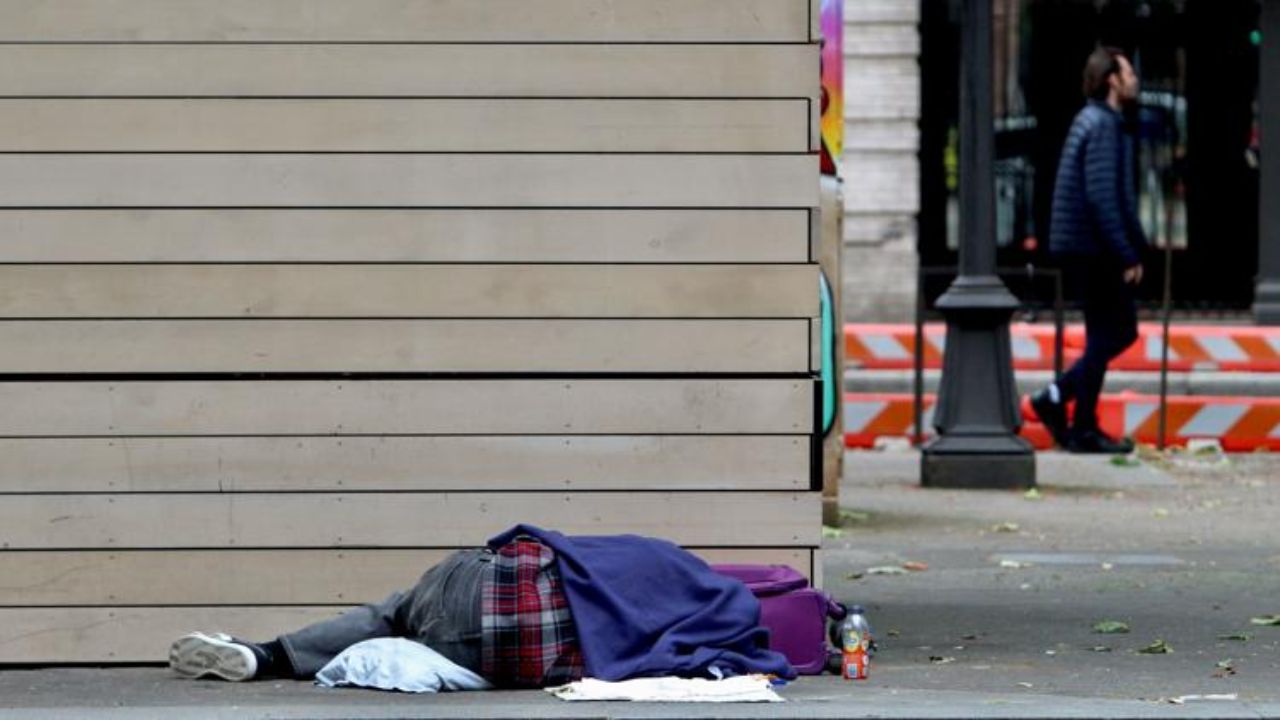
Unsheltered homelessness refers to “people living on the streets or in other public places,” according to the Department of Commerce.
The year-over-year increase was 4.4% from 2024, representing a slower rise compared with a 14.8% jump between 2022 and 2023. While the growth trend persists, the rate of increase has moderated, signaling some impact of the state’s efforts to address homelessness.
Notably, the report did not include King County’s unsheltered data, where Seattle is located, because the county conducts its full Point In Time Count in even-numbered years. Historically, King County represents roughly 50% of the total state’s unsheltered homelessness, indicating that statewide totals could be higher than reported.
Snapshot Report Provides Broader Insight
To complement the Point In Time Count, the Department of Commerce also produces a Snapshot of Homelessness report, which consolidates information from three state agency data systems to create a more comprehensive estimate of homeless and unstably housed populations.
The 2025 Snapshot report counted 158,791 individuals in shelters or unhoused across the state, reflecting a 2.2% increase from January 2024 and an 8.9% increase since 2022. The report also incorporates King County figures, providing a fuller picture of statewide homelessness trends.
“Too many people in our communities don’t know where they’re going to sleep at night, or if they’ll be safe when they try to rest,” said Department of Commerce Director Joe Nguyễn in a statement about the latest data.
Interestingly, the Snapshot report indicated a slight decline in homelessness between 2023 and 2024, dropping from 159,525 to 155,356 individuals, before rebounding in 2025.
State Investments Target Homelessness and Housing Needs
The Washington Legislature has committed roughly $1.8 billion for the 2025–27 biennium to address housing and homelessness. These funds support programs such as the Housing Trust Fund, Connecting Housing to Infrastructure, and specialized initiatives for adult, family, and youth homelessness programs. The investment aims to expand shelter capacity, increase affordable housing, and assist vulnerable populations.
- Point In Time Count: Provides a snapshot on a single night; subject to variations from weather, shelter availability, volunteer participation, and county methodologies.
- Snapshot Report: Uses state agency data to estimate a more comprehensive homeless population, including both sheltered and unsheltered individuals.
Looking Ahead
While the overall growth of homelessness has slowed, the numbers remain alarmingly high, emphasizing the ongoing need for policy interventions and community support. Experts stress that reversing these trends requires sustained investment in affordable housing, social services, and emergency shelter programs.
For more details, visit the full report at Washington State Standard.
What are your thoughts on the state’s homelessness trends and investments? Share your perspective in the comments.