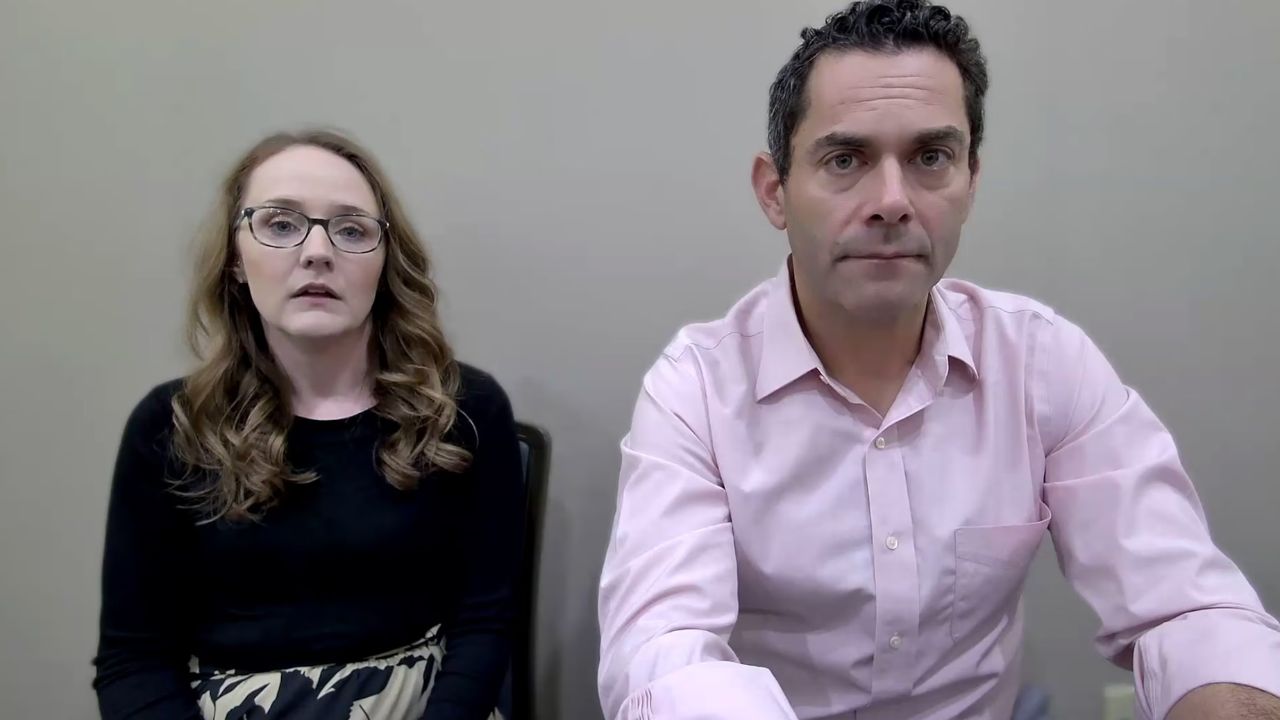
A 34-year-old woman from Hampshire is sharing her unusual story of living with pica, a rare eating disorder that causes people to crave and consume non-food items.
Yaz Chapman, a mother of four from Portsmouth, was diagnosed with pica at just 4 years old. Over the years, she has eaten things like talcum powder, chalk, and cigarette rolling papers, but now she says her daily craving is for one thing — paper.
According to LAD Bible, Chapman currently eats around 10 sheets of paper every day, often tearing off small corners from letters, magazines, or packaging.
“I look forward to the postman,” Chapman said. “Certain papers taste different and they have different textures. I’ll rip a corner off just to test it.”
Living With Pica
Pica is an eating disorder characterized by persistent cravings for non-nutritive items such as dirt, clay, hair, or paper. Experts say the condition may be linked to nutritional deficiencies, stress, or mental health disorders.
For Chapman, paper offers a comfort she compares to other people’s cravings for sweets.
“When someone likes chocolate and they’re craving something sweet, they eat it and they feel those happy chemicals being released in their brain,” she explained. “It’s like that.”
Despite the potential risks, Chapman says she has found ways to manage her condition. She drinks plenty of water to prevent constipation and avoids glossy or coated paper, which can be harder to digest.
Managing the Disorder and Raising Awareness
Doctors warn that pica can lead to serious health complications, including intestinal blockages, poisoning, and malnutrition. Treatment often includes therapy, behavioral intervention, and medical monitoring to identify underlying causes.
Chapman hopes her openness will help others understand that pica is a genuine disorder, not a habit.
“People might think it’s strange or disgusting,” she said, “but for me, it’s something I’ve lived with my whole life. Talking about it helps reduce the stigma.”
A Rare but Real Struggle
While rare, cases like Chapman’s highlight the importance of awareness around eating disorders that don’t fit traditional categories. Health experts encourage anyone experiencing similar compulsions to seek help from a doctor or registered therapist.
What do you think about Yaz’s story and her experience living with pica? Share your thoughts in the comments below