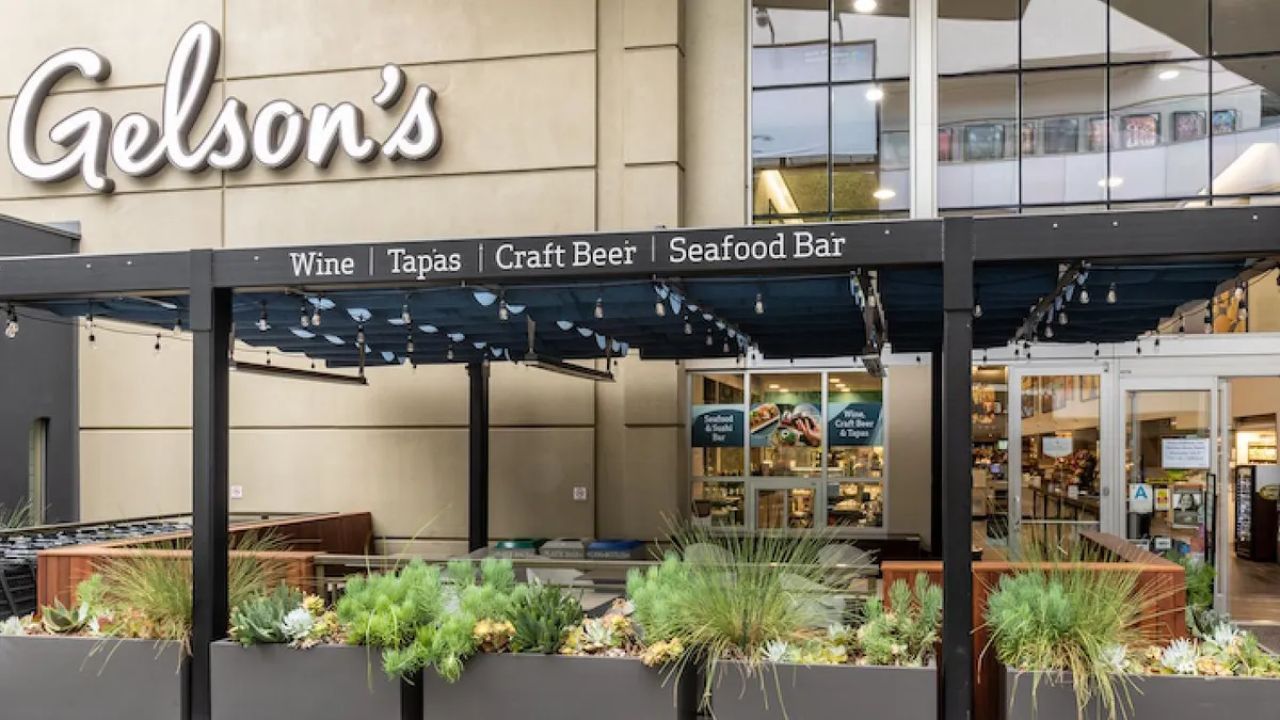
Carlsbad, California – Another grocery store closure is adding to the growing list of retail shutdowns across the United States as Gelson’s Markets confirmed it will permanently close its Carlsbad location and sell the property to Kroger-owned Ralphs, citing long-standing financial challenges at the store.
The decision reflects a broader trend in the grocery industry, where chains are reevaluating underperforming locations amid inflation, shifting consumer habits, and ongoing economic uncertainty. The development was first reported by NBC News, highlighting how even established regional grocers are being forced to make difficult strategic choices.
Gelson’s Confirms Carlsbad Store Closure After Years of Losses
Gelson’s Markets announced that its Carlsbad, California, store located at 7660 El Camino Real will close permanently on February 28, 2026, ending nearly ten years of operation in the community. A notice posted on the company’s website confirmed the closure, which comes after years of financial struggles at the location.
According to an emailed statement sent to Grocery Dive on December 29, Gelson’s has already reached an agreement to sell the property to Kroger-owned Ralphs. While the financial terms of the transaction were not disclosed, Ralphs is expected to take over ownership and begin operations at the site on March 9, 2026, ensuring the space does not remain vacant for long.
“This store has faced ongoing financial challenges for several years, and despite continued efforts to improve performance, it remains unprofitable,” Gelson’s Markets said in its statement. “After careful consideration, we made the difficult decision to sell the store.”
Employee Impact and Future Plans
While the closure will affect some positions, Gelson’s stated that Kroger plans to retain as many employees as possible to limit job losses. The company emphasized that the Carlsbad shutdown will not impact its broader operations across Southern California.
Gelson’s currently operates 27 stores throughout the region and plans to continue expanding in select markets. The company also announced it will open a 10,000-square-foot small-format store in Toluca Lake, California, on January 28, signaling a shift toward smaller, more targeted locations.
A Look at Gelson’s Markets’ History
Founded in 1951, Gelson’s Markets evolved into an upscale, multi-department grocery chain serving Southern California. Its origins trace back to the Mayfair Companies, which merged with Van’s Markets in 1948 under the ownership of Arden Farms Co., later known as Arden Group.
At its peak, the Mayfair Markets chain operated around 250 stores across several Western states. As consumer preferences changed, most Mayfair locations were sold, and the remaining stores were rebranded as Gelson’s Markets.
In 2014, private equity firm TPG acquired Gelson’s to support expansion efforts. The chain was later sold to Pan Pacific International Holdings, the Japan-based owner of Don Quijote. To avoid the fate of widespread closures that impacted Mayfair, Gelson’s has focused on store renovations and expanding its private-label offerings.
Major Grocery Chains Closing Stores in 2025
Gelson’s is far from alone. Several major grocery chains have announced closures or divestments as profitability pressures mount, according to reporting from The Street and Grocery Dive.
Walmart plans to close 11 underperforming stores across five states.
Kroger expects to shutter 60 underperforming stores nationwide by the end of 2026, with 39 closures anticipated in 2025.
Stop & Shop closed more than 30 stores in 2024 and an additional seven warehouse locations in 2025.
Winn-Dixie, under parent company Southeastern Grocers, plans to sell dozens of locations ahead of a rebrand in early 2026.
Price Chopper has also shuttered multiple underperforming locations across several states since 2024.
The Broader Impact of Retail Store Closures
Retail closures are contributing to rising job losses nationwide. According to the Challenger, Gray & Christmas 2025 Job Cut Announcement Report, more than 1.2 million job cuts were announced in 2025, a 58% increase from the previous year. The retail sector alone accounted for nearly 93,000 layoffs, marking a 123% jump year over year.
California recorded the highest number of layoffs, with approximately 94,116 workers affected across 1,581 WARN notices, based on data from WARN Tracker. Analysts cited by ScienceDirect warn that the decline of physical retail stores has far-reaching consequences for urban communities and regional economies.
Data from the U.S. Bureau of Labor Statistics further underscores the slowdown. In the 12 months through March 2025, 911,000 fewer jobs were added than expected, and the unemployment rate climbed to 4.3%, the highest level in nearly four years.
Mike Fratantoni, chief economist at the Mortgage Bankers Association, noted that while layoffs are accelerating, hiring remains weak, making it increasingly difficult for displaced workers to find new employment.
As grocery chains continue to consolidate and offload unprofitable stores, communities across the country are bracing for further changes in access to essential retail services.