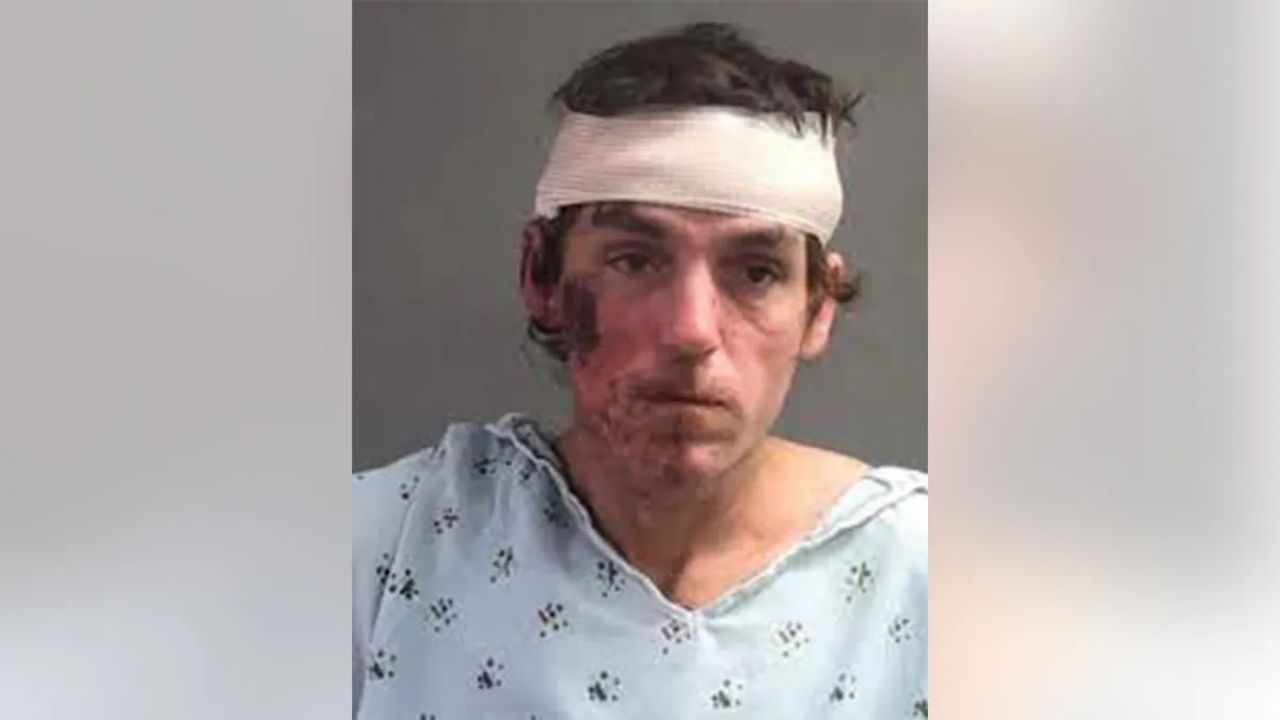
Washington, D.C. — Three years after Troy Bullock was shot and killed during an altercation with an off-duty FBI agent inside Metro Center station, his family is pursuing a $15 million lawsuit, alleging civil rights violations and excessive force. The case reignites questions about the level of accountability for federal agents and the circumstances leading to the deadly encounter.
Prosecutors Declined to Bring Charges, Citing Insufficient Evidence
The U.S. Attorney’s Office for the District of Columbia previously announced it would not pursue federal civil rights charges or local criminal charges against the off-duty FBI agent involved. Prosecutors said they did not find enough evidence to support criminal liability under federal or D.C. law.
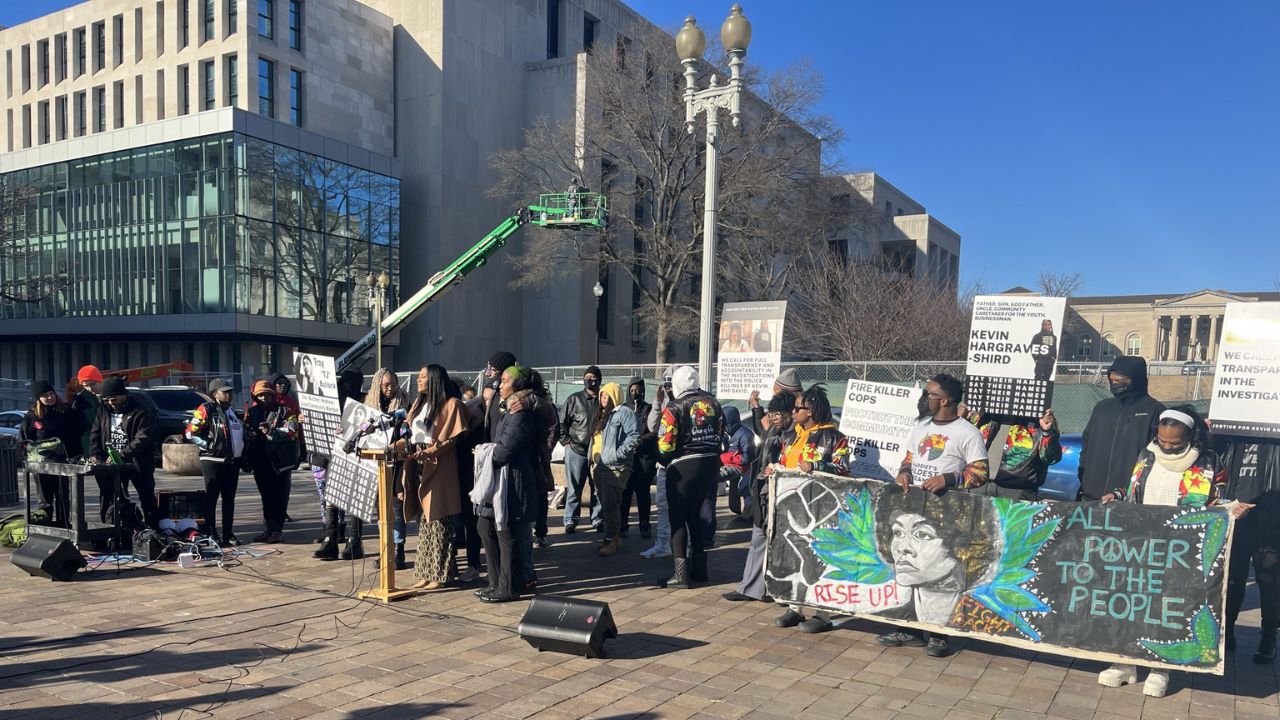
The decision angered Bullock’s family, who have long argued that the investigation lacked transparency and that the agent’s actions were unjustified.
Lawsuit Alleges Excessive Force and Civil Rights Violations
Court documents obtained by News4 describe the lawsuit as a claim rooted in “violation of civil rights, use of excessive force, assault and battery, and unreasonable search and seizure” stemming from the fatal confrontation. The suit identifies the agent only as “FBI Agent John Doe,” a designation used when the individual’s identity has not been publicly released.
According to the lawsuit, the confrontation began when the agent approached Bullock in the Metro Center station regarding his behavior while waiting for a train. Prosecutors previously said the agent reported seeing Bullock initiate a fight with someone else, prompting him to intervene.
The U.S. Attorney’s Office stated the agent told Bullock to stop, at which point Bullock allegedly became aggressive and pushed the agent, causing both men to fall over a barrier.
Surveillance Video Shows Struggle Before Fatal Shot Fired
Surveillance footage obtained by News4 shows the two men struggling near a railing. During the altercation, both men fell roughly eight feet to the lower level of the station. Seconds later, gunshots rang out, sending bystanders running for safety.
Authorities said the off-duty agent drew his service weapon while the struggle continued and shot Bullock, who died at the scene. Police later reported that Bullock had a firearm on him at the time of the incident.
However, the lawsuit disputes the government’s version of events, claiming:
“Without provocation or legal justification, FBI Agent John Doe initiated a physical altercation by pushing or shoving Mr. Bullock.”
The family argues that the agent escalated the situation instead of attempting de-escalation or using less-lethal alternatives, actions they say would have aligned with standard law enforcement protocol.
Family Argues Death Was a Direct Result of Reckless Action
The civil complaint asserts that Bullock’s death was the “direct and proximate result” of the federal agent’s choices, describing them as “objectively unreasonable, unwarranted, and undertaken with a reckless disregard for Mr. Bullock’s life and constitutional rights.”
The lawsuit goes further to claim that the agent not only misjudged the situation but also failed to follow appropriate use-of-force guidelines by engaging physically and resorting to deadly force while off duty.
Attorneys representing Bullock’s family argue that had proper de-escalation techniques been employed, the fatal outcome could have been avoided.
$15 Million Sought in Damages
The lawsuit seeks $15 million for the losses suffered by Bullock and his family, including emotional distress, lost income, and the impact of his death on loved ones. The suit also requests punitive damages against the agent, with the amount to be determined at trial.
The case is now moving into the civil court system, where attorneys will argue whether the agent’s actions were justified or whether Bullock’s constitutional rights were violated.
As the legal battle unfolds, the family continues to push for transparency, accountability, and changes in how federal agents are held responsible for deadly encounters.
Share Your Thoughts
Do you believe federal agents should face more oversight in use-of-force incidents involving civilians? hare your thoughts in the comments below.