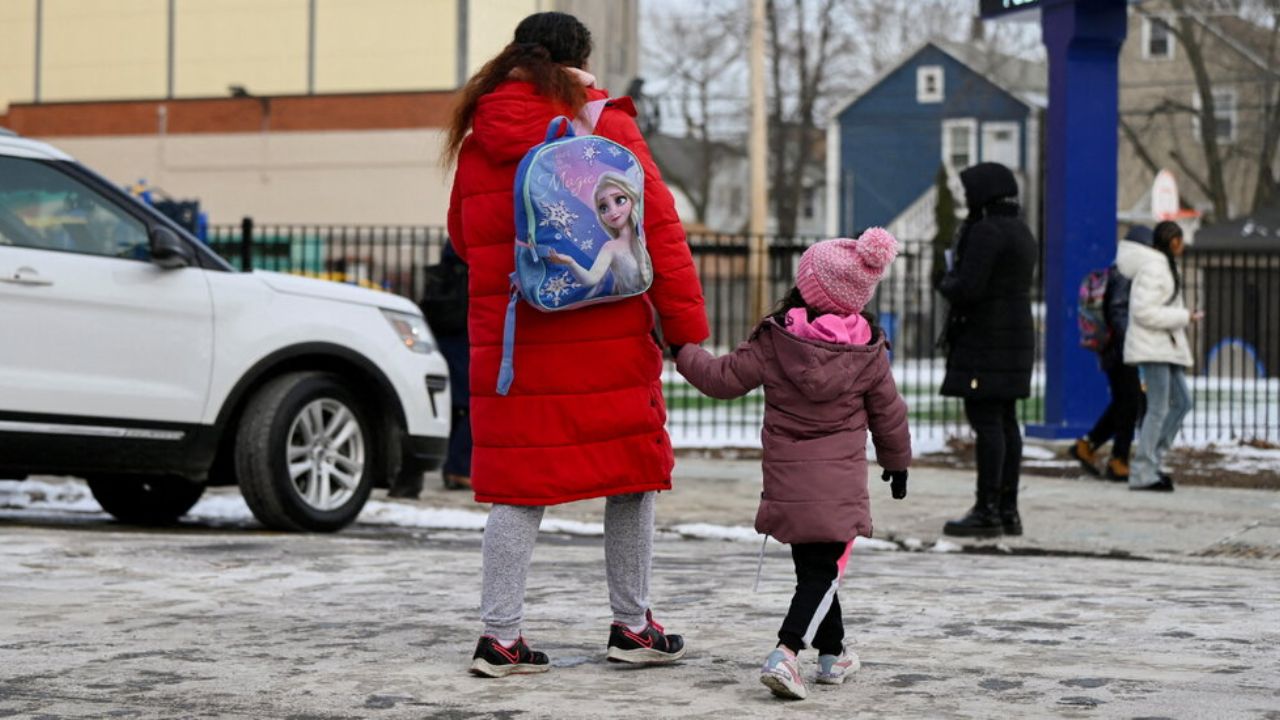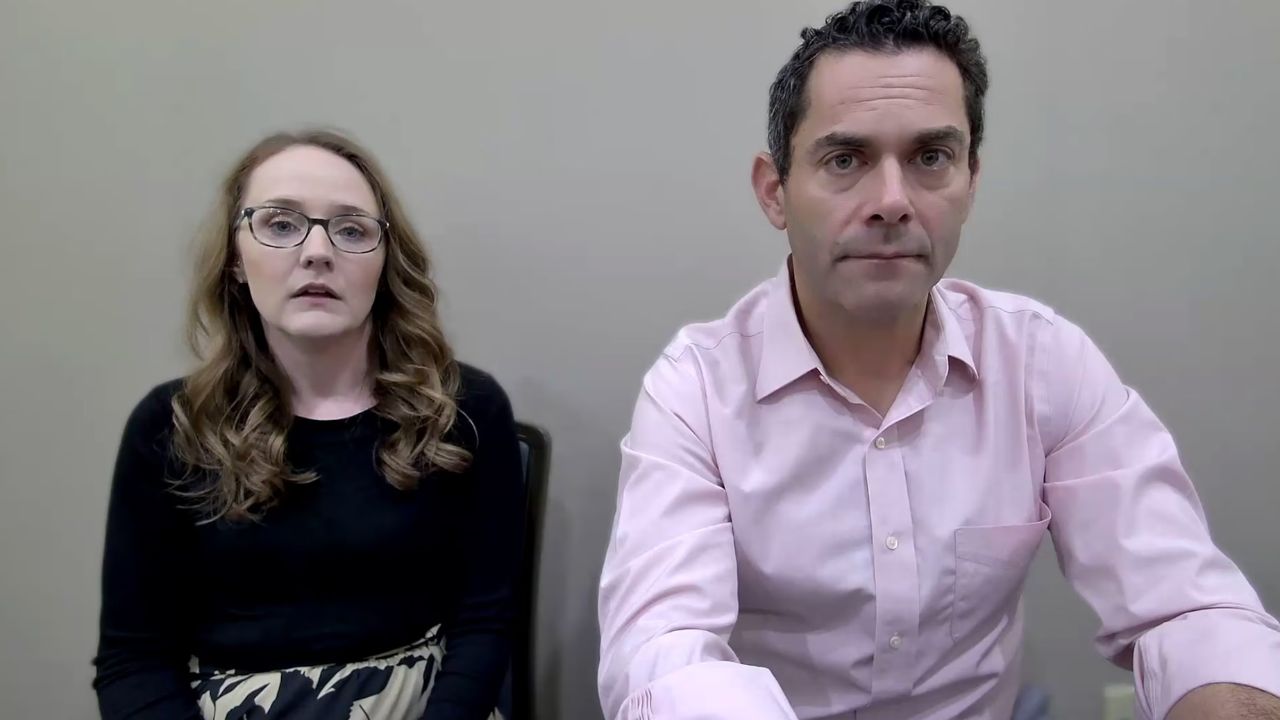
Mexico City, Mexico – In a powerful blend of social media storytelling and real-life resilience, deported TikTokers are shedding light on the challenges they face after being forced to leave the United States. These creators are turning their platforms into vital spaces for connection and awareness, documenting the emotional and practical hardships of deportation.
Having been removed from the U.S. under various administrations, these individuals reveal the often unseen realities of adjusting to life outside the country. Their videos capture not only the struggles but also the community they’ve been able to build, illustrating a story of survival and hope.
Building Community and Bringing Awareness
One notable figure, Annie Garcia, deported in 2018, emphasizes the importance of solidarity. As a mother of five and a law student in Mexico, Garcia has become a prominent voice sharing her experiences. She explains,
“We want to bring awareness. This is what happens after. There’s a community. There’s support. But it’s not the end.”
Garcia admits it took years of posting before she felt a true sense of belonging, which finally came with forming a group of deported TikTokers who meet in person in Mexico to support each other.
The Raw Reality Behind the Videos
Another TikToker, Olga Mijangos, deported last year after nearly 30 years in the U.S., shares a candid account of her ongoing difficulties. A mother of three, her first video about deportation went viral, amassing millions of views. Yet she is quick to clarify,
“Clicks don’t pay the bills. It’s easy to see us at the beach and think it’s fine. But it doesn’t show the rawness behind it.”
Mijangos describes the profound trauma, family separation, and the daunting task of rebuilding a life from scratch. Both she and Garcia speak openly about their battles with depression and the mental health challenges deportation imposes.
Tragic Consequences and Mental Health Challenges
The severity of the emotional toll is underscored by the heartbreaking story of Pedro Colorado, who committed suicide shortly after self-deporting to Mexico. His family attributes his death to depression linked to U.S. immigration enforcement and his difficult adjustment post-deportation.
Garcia reflects on this tragedy, stating,
“Deportation is a death sentence for some of us. Not all of us make it down here.”
Mijangos also shares her personal struggles with depression, revealing she recently experienced a “complete breakdown” but remains committed to healing.
Hope and Healing Amidst Permanent Scars
Despite the profound challenges, these deported TikTokers continue to navigate their new realities with courage and resilience. Their stories emphasize not only the brutal impact of deportation but also their collective efforts to heal and support one another.
As Mijangos poignantly puts it,
“The greatest gift anyone can give me is a prayer.”
For those interested in understanding the deeper human impact of immigration policies, these firsthand accounts provide vital perspectives. More details and stories can be found at NBC Los Angeles’s report: Deported TikTokers Document Life After Deportation.
- Annie Garcia: Deported in 2018, mother of five, law student in Mexico.
- Olga Mijangos: Deported in 2023 after nearly 30 years in the U.S., mother of three.
- Mental Health: Depression and trauma are common struggles among deportees.
- Community Support: Deportees form in-person groups in Mexico to share support.
- Tragic Loss: Pedro Colorado’s suicide highlights the dire emotional consequences of deportation.
These deported TikTokers are changing the narrative surrounding deportation, giving a voice to those often silenced and demanding greater understanding and compassion for their experiences.
What do you think about their stories? Have you encountered others who have experienced deportation? Share your thoughts and stories in the comments below!