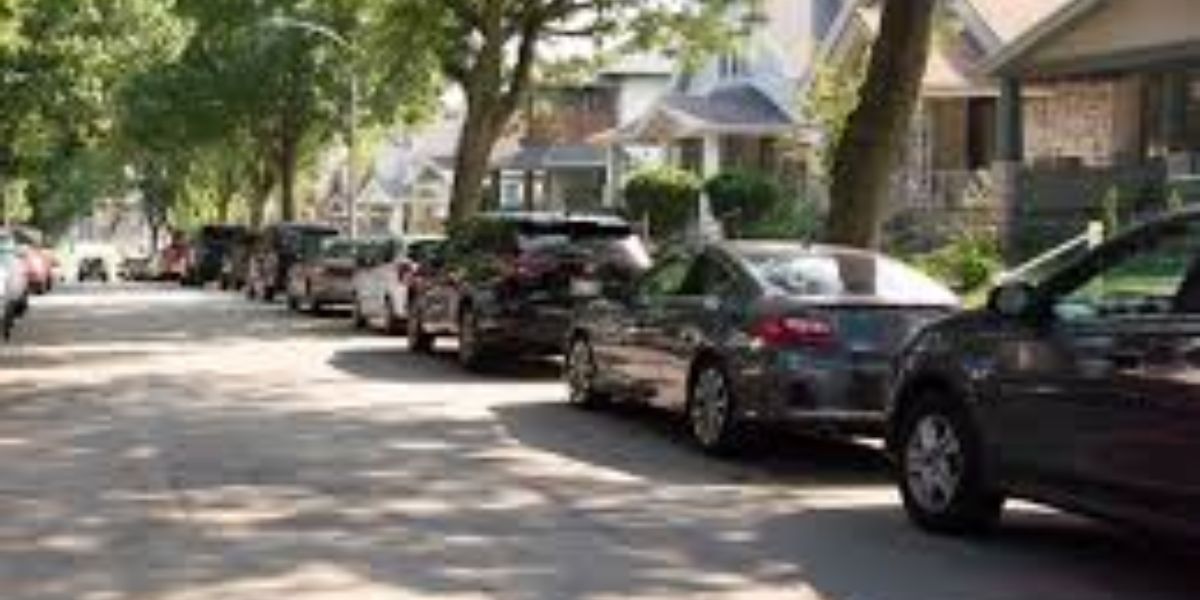
Trenton, NJ — It’s one of the most frustrating experiences for homeowners — coming home after a long day only to find an unfamiliar car parked in front of your house, or worse, in what you consider “your spot.” Whether it’s due to a neighbor’s gathering or visiting guests, the situation raises a common question: Is it actually legal for someone to park in front of your home?
According to legal experts, the answer may surprise you.
The Law: You Don’t Own the Street
Many people believe the curb space in front of their home belongs to them. However, parking on public streets is open to everyone, unless otherwise restricted by local ordinances.
As attorney Brian Farkas explained in a 2023 article for Nolo, a publishing company specializing in legal topics:
“An individual citizen does not ‘own’ or have any ongoing exclusive right to use a parking space on a public street. These spaces are open to the public on a first-come, first-served basis.”
The only exceptions apply to neighborhoods or residential complexes that have designated parking spaces assigned through a lease, homeowner’s association, or private property agreement. These arrangements are more common in suburban developments but rare in large cities, Farkas noted.
What New Jersey Law Says About Street Parking
Under New Jersey state law, vehicles must follow general parking rules and avoid specific prohibited areas. Parking is not allowed in the following situations:
- Within intersections or on crosswalks.
- On bridges, tunnels, or other elevated structures.
- In front of public or private driveways.
- Within 10 feet of a fire hydrant.
- Within 50 feet of a railroad crossing.
These restrictions apply at all times, unless a police officer directs otherwise or when avoiding conflict with traffic.
However, state law allows municipal ordinances to make exceptions. For instance, a homeowner can legally park in front of their own driveway if:
- They own the driveway, or
- They are part of the same household as the driveway owner, or
- They are authorized by the owner to do so.
This exception only applies when such parking does not block or interfere with normal traffic flow.
Time Limits for Street Parking
Most New Jersey municipalities have time limits for how long a vehicle can remain parked in one spot. Generally, cars cannot be left in the same place for more than 48 hours, after which they may be ticketed or towed under state law.
“Municipalities have varying limits for how long a vehicle can be parked in the same spot,” the state guidance explains. “Typically, a vehicle can be parked for up to 48 hours before it is subject to removal.”
Talking It Out With Neighbors
While parking in front of someone’s house may be legal, it can still lead to tension between neighbors. Experts recommend open communication before escalating to law enforcement or city officials.
Farkas suggests calmly discussing the issue face-to-face:
“It is to your mutual advantage to keep each other’s needs in mind so that you can both park in peace,” he wrote for Nolo.
Homeowners can often avoid conflict by alternating parking arrangements or setting informal neighborhood agreements — as long as no one else claims the spot in the meantime.
The Bottom Line
While it may feel inconsiderate when someone parks in front of your house, it’s perfectly legal in most cases unless local ordinances say otherwise. So next time your spot is taken, remember — the curb belongs to the public, not the property owner.
What are your thoughts on this parking dilemma? Share your experiences in the comments below.