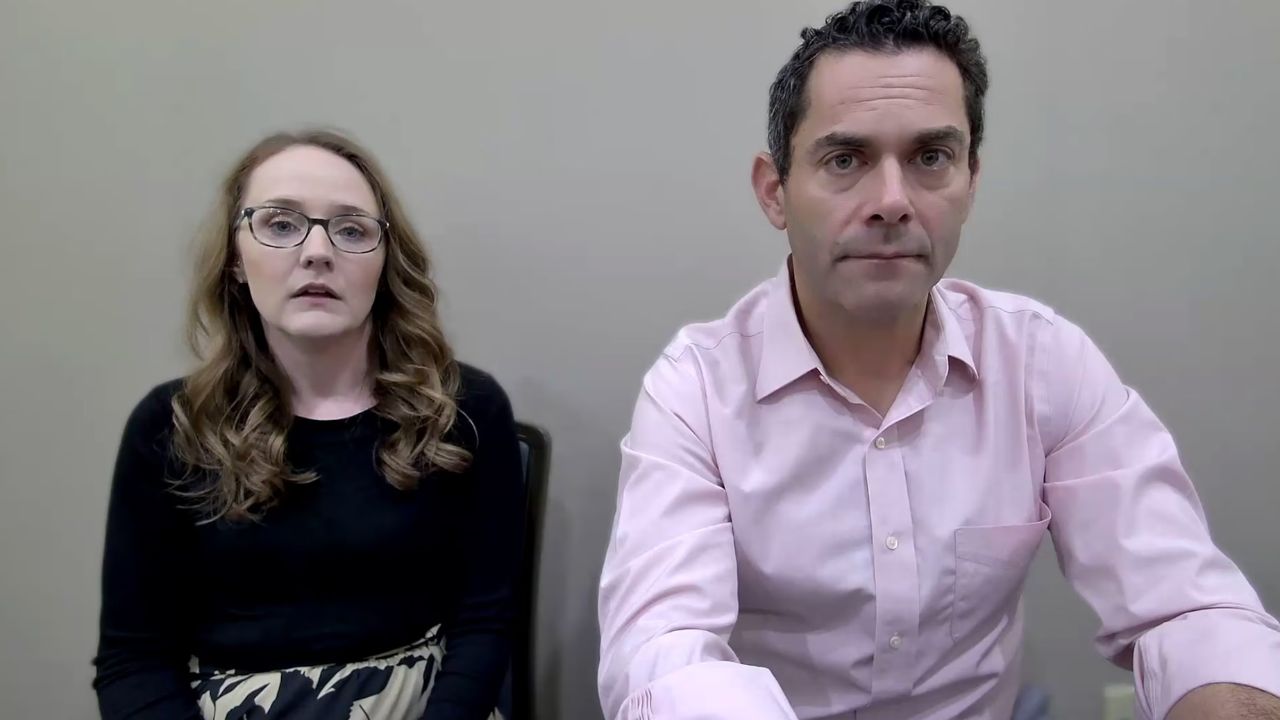
Tuscaloosa, AL — A new Alabama law banning cell phones in school classrooms has been met with widespread praise from educators, with one teacher calling the impact “magic.” The law, which aims to improve student focus and mental health, has sparked similar legislative actions across the U.S., as concerns about the negative effects of smartphones in schools continue to grow.
Teacher’s TikTok Post Goes Viral
Jonathan Buchwalter, a history teacher at Tuscaloosa County High School, shared his thoughts on the new law in a TikTok video earlier this month, which has since garnered nearly two million views. In the video, he celebrated how the new restrictions had transformed his classroom environment.
“Today, all of my students, 100% of them, took notes in my class, did their assignment, asked for help when they got stuck, and turned it in, and then when they were done, they talked to each other,” Buchwalter said in the video.
Buchwalter acknowledged that it was still too early to fully assess the long-term impact of the new policy, but he expressed his optimism. “I’ve been pulling my hair out for like, eight years. Has it been this easy a solution the whole time?” he asked, reflecting on the challenges he had faced in previous years trying to manage student distractions caused by smartphones.
Growing National Effort to Limit Smartphone Use in Schools
Buchwalter’s positive experience comes amid a national push to limit or ban smartphones in school settings. According to Ballotpedia, 33 states across the U.S. have enacted legislation addressing school cellphone usage, aiming to reduce distractions and improve academic attentiveness. These efforts are linked to growing concerns about mental health issues such as depression, anxiety, and insomnia, which have been associated with excessive smartphone use among teens.
“They’re chemically addicted to their phones,” said Buchwalter, noting that students struggle to engage in activities that don’t provide constant stimulation. This sentiment is reflected in recent studies linking problematic smartphone use (PSU) with these mental health challenges.
According to 2024 data from Pew Research Center, nearly half of teens admitted to being online constantly, and 72% said they frequently check their notifications from the moment they wake up. These statistics underscore the increasing reliance on smartphones, which some experts argue may be detrimental to students’ well-being and focus.
Statewide and Nationwide Responses to the Issue
As of July 2024, 26 states have either implemented a full ban or restricted cellphone use in classrooms. These states include Arizona, Alabama, Arkansas, California, Ohio, Florida, Texas, and more. Meanwhile, other states like Connecticut, Kansas, and Washington have opted for policies that limit classroom cellphone usage, offering a more flexible approach to managing technology in schools.
In some states, such as Alaska, Colorado, and Minnesota, K-12 public school districts are required to adopt policies regarding student cellphone use, but the specifics of implementation remain at the discretion of individual school districts.
National Education Centers Support Cellphone Bans
The push for limiting phone use in schools is supported by findings from the National Center for Education Statistics (NCES). The 2024 School Pulse Panel data revealed that 53% of school leaders reported negative impacts of cellphone use on academic performance, while a majority also cited adverse effects on students’ mental health and attention spans.
“With 53 percent of school leaders reporting negative impacts of cell phone use on academic performance, and even more citing negative impacts on students’ mental health and attention spans, schools are facing a critical issue,” said Peggy Carr, NCES Commissioner.
A Solution to Distraction, But for How Long?
While Buchwalter celebrates the positive effects of the new cellphone law in his classroom, experts caution that the real challenge lies in finding sustainable solutions for managing smartphone use without compromising students’ ability to engage with technology in productive ways. As more schools across the country adopt similar bans, it remains to be seen whether these efforts will have lasting positive effects on both academic performance and mental health.
What do you think about banning smartphones in schools? Let us know your thoughts in the comments.