Washington, D.C. — Federal health officials are warning consumers after a deadly listeria outbreak linked to precooked pasta meals has killed six people and hospitalized 25 others across 18 states. The Food and Drug Administration (FDA) and Centers for Disease Control and Prevention (CDC) are investigating the source of the contamination, which has led to several nationwide recalls.
The outbreak, first reported in June 2025, has been traced to ready-to-eat pasta meals containing ingredients from Nate’s Fine Foods, a major supplier used by grocery chains and meal brands.
Deadly Multistate Outbreak Expands
According to the FDA’s latest update, the listeria outbreak has infected 27 people and caused six deaths, including one pregnancy-related fetal loss.
“Since the last CDC case count update on September 25, 2025, a total of seven new illnesses from three states have been reported, with two additional deaths,” the FDA wrote in its update.
Health officials say Listeria monocytogenes, the bacteria responsible for the outbreak, poses the greatest risk to pregnant women, older adults, and those with weakened immune systems.
The full list of affected states includes California, Florida, Hawaii, Illinois, Indiana, Louisiana, Michigan, Minnesota, Missouri, North Carolina, Nevada, Ohio, Oregon, South Carolina, Texas, Utah, Virginia, and Washington, according to NBC News.
Foods Linked to the Listeria Outbreak
In September, multiple major retailers and food producers issued recalls of pasta meals that may contain contaminated ingredients. Products affected include:
- FreshRealm’s Home Chef Chicken Fettuccine Alfredo (12.5 oz) – sold at Kroger and Walmart
- Marketside Grilled Chicken Alfredo with Fettuccine (12.3 oz & 32.8 oz) – sold at Kroger and Walmart
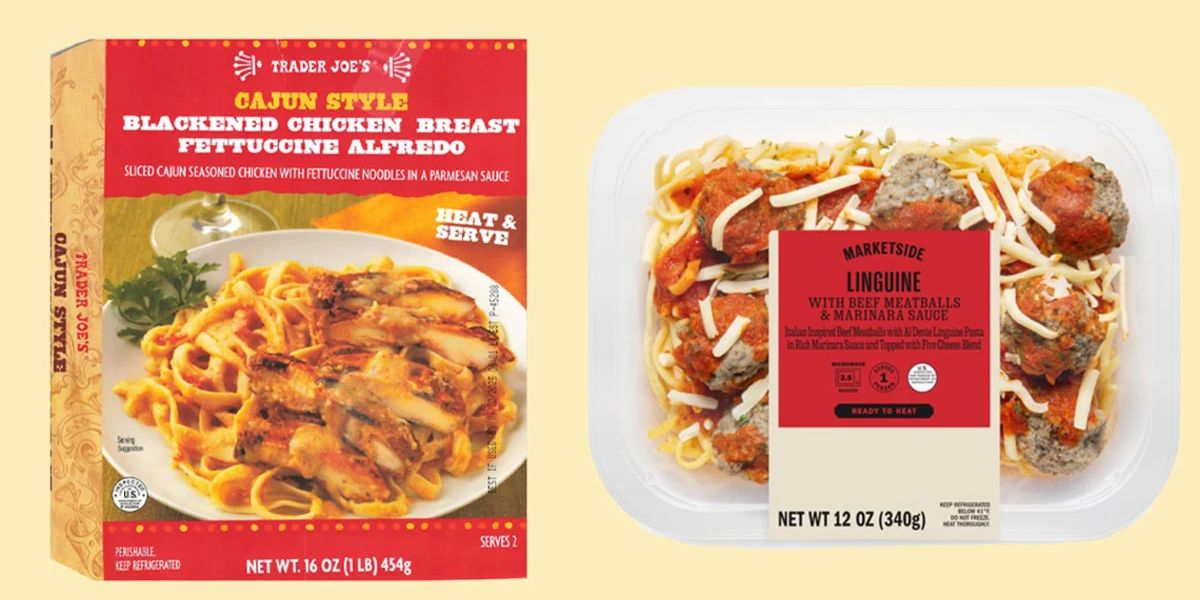
- Marketside Linguine with Beef Meatballs & Marinara (12 oz) – sold at Walmart
- Albertsons Companies deli pasta salads – sold under Albertsons, Safeway, and Vons brands
- Trader Joe’s Cajun Style Blackened Chicken Breast Fettuccine Alfredo (16 oz)
- Demer Food Group’s Scott & Jon’s Shrimp Scampi with Linguini Bowls (9.6 oz)
- Kroger deli bowtie and penne pasta salads
- Giant Eagle smoked mozzarella pasta salad
- Sprouts Farmers Market smoked mozzarella pasta salad
The FDA advises consumers to check their refrigerators and freezers for any recalled products and to dispose of them immediately.
“Consumers should double-check their refrigerators and freezers for recalled foods,” the FDA said in its public notice.
Understanding Listeria and Its Risks
Listeriosis, the infection caused by the Listeria bacteria, can have severe health consequences. The Food Safety and Inspection Service (FSIS) warns that symptoms may appear several days or even weeks after consuming contaminated food.
Common symptoms include:
- Fever and muscle aches
- Headache and stiff neck
- Confusion and loss of balance
- Diarrhea or other gastrointestinal distress
“In pregnant women, the infection can cause miscarriages, stillbirths, premature delivery, or life-threatening infection of the newborn,” the FSIS said.
According to the CDC, Listeria infection is the third leading cause of death from foodborne illness in the U.S. Each year, approximately 1,250 people are infected, and 172 die from the infection nationwide.
Safety Tips for Consumers
Health officials recommend these steps to reduce the risk of infection:
- Avoid eating recalled products and always check the FDA’s recall list.
- Clean and sanitize refrigerators, utensils, and surfaces that may have come into contact with recalled foods.
- Reheat precooked meals to at least 165°F (74°C) to kill potential bacteria.
- Pregnant women, seniors, and immunocompromised individuals should be especially cautious with deli meats, soft cheeses, and ready-to-eat meals.
The FDA and CDC continue to monitor the outbreak closely, urging consumers to stay informed through regular updates.
What are your thoughts on this outbreak and how food safety oversight can be improved? Share your views in the comments below.