Washington, D.C. — Pregnancy centers across the United States that traditionally discourage women from seeking abortions are rapidly expanding medical services, positioning themselves as potential alternatives to Planned Parenthood and other reproductive health clinics.
The expansion — which now includes testing and treatment for sexually transmitted infections (STIs), prenatal care, and even primary health services — has accelerated since the Supreme Court overturned Roe v. Wade in 2022, allowing many states to ban or restrict abortion access.
From Counseling to Medical Care
Pregnancy centers, often referred to as “crisis pregnancy centers,” are broadening their scope far beyond counseling. Some facilities have begun offering routine medical exams, ultrasounds, and limited hormone therapy.
“We ultimately want to replace Planned Parenthood with the services we offer,” said Heather Lawless, founder and director of the Reliance Center in Lewiston, Idaho. “About 40% of our patients come for reasons unrelated to pregnancy — some even see our nurse practitioner as their primary caregiver.”
This growth has alarmed abortion-rights groups, who argue the centers often lack medical accountability, do not offer contraception, and frequently promote abortion pill reversal treatments that remain scientifically unproven.
According to The Associated Press, many centers are not bound by federal privacy laws like HIPAA since most do not accept insurance, though some voluntarily follow similar confidentiality practices.
“There are really bedrock questions about whether this industry has the clinical infrastructure to provide the medical services it’s currently advertising,” said Jennifer McKenna, senior adviser for Reproductive Health and Freedom Watch.
A Post-Roe Expansion Fueled by Policy Shifts
Since the Supreme Court’s Dobbs v. Jackson Women’s Health Organization ruling, these centers have expanded both medical and educational programs.
“They are prepared to serve their communities for the long-term,” said Moira Gaul, a scholar at the Charlotte Lozier Institute, the research arm of SBA Pro-Life America.
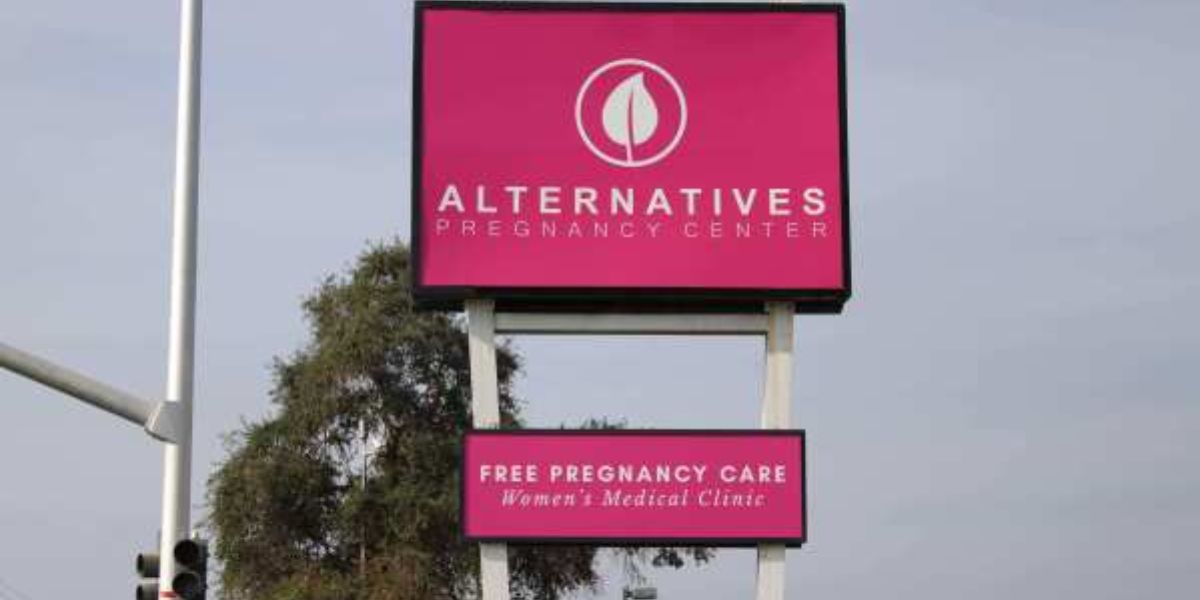
In Sacramento, California, the Alternatives Pregnancy Center recently added family doctors, radiologists, and a high-risk pregnancy specialist. The clinic has also begun treating patients who have detransitioned from gender-affirming care — a rare offering among pregnancy centers.
“APC provided me a space that aligned with my beliefs,” said Jessica Rose, a 31-year-old patient. “Other clinics tried to make me think detransitioning wasn’t what I wanted to do.”
Planned Parenthood Faces Financial Strain
At the same time, Planned Parenthood clinics have been closing due to changing Medicaid policies and state-level restrictions. The organization, which provides cancer screenings, STI testing, and reproductive health care in addition to abortion services, has warned that up to 200 clinics could close nationwide.
Some states, including Wisconsin and Arizona, have already cut back services, while clinics in Maine have ended primary care altogether.
Meanwhile, anti-abortion pregnancy centers are growing rapidly — now numbering more than 2,600 nationwide as of 2024, up from 2,513 in 2023, according to data from the University of Georgia’s Crisis Pregnancy Center Map project.
Millions in State Funding Flow to Centers
Public funding has also played a major role in the expansion. Nearly 20 states, mostly Republican-led, have directed millions of taxpayer dollars to pregnancy centers.
- Texas allocated $70 million for its “Alternatives to Abortion” program in the current fiscal year.
- Florida dedicated over $29 million to its “Pregnancy Support Services Program.”
- Other states, including Missouri and North Carolina, are considering similar funding increases.
“Their criticism comes from a political agenda,” said Thomas Glessner, founder and president of the National Institute of Family and Life Advocates, which represents 1,800 centers nationwide.
Critics Warn of Health Gaps
Abortion-rights advocates worry the closures of Planned Parenthood clinics could create health care deserts, particularly in rural areas where pregnancy centers may become the only option for women.
“Those centers should be regulated,” said Kaitlyn Joshua, founder of Abortion in America. “They should be providing information that is accurate, not just sermons people didn’t ask for.”
In Joplin, Missouri, Choices Medical Services — once focused solely on anti-abortion advocacy — now offers STI testing, works with law enforcement, and handles cases involving pregnant adults in crisis.
“Our focus is on sexual risk elimination, not just reduction,” said Karolyn Schrage, executive director of Choices.
Changing the Landscape of Reproductive Health
The national picture shows a shifting balance: while 765 abortion clinics operated in 2024, that number is down more than 40 from the previous year, while pregnancy centers continue to grow.
Supporters say the centers are filling vital gaps in care; critics argue they’re redefining reproductive health through a lens that prioritizes ideology over medical consensus.
What are your thoughts on the growing role of pregnancy centers in U.S. health care? Share your views in the comments below.