Raleigh, NC — Twelve orphaned black bear cubs have been successfully rehabilitated and released into the wild, according to the North Carolina Wildlife Resources Commission (NCWRC). The effort marks one of the state’s most coordinated wildlife recovery operations of the year.
Officials said eight of the cubs came from the mountain regions and four from the coast, each returned to the same general area where they were originally found. The bears were released on state-managed lands, chosen for their natural resources and safe distance from human development.
From Rescue to Rehabilitation
According to NCWRC, orphaned cubs are typically taken in between April and June, shortly after mother bears emerge from their dens with their young. While some cases appear as early as late January, the majority involve cubs separated from their mothers during spring and early summer.
The young bears were cared for at the North Carolina Zoo and the Appalachian Wildlife Refuge, where staff provided food, medical care, and monitored their growth until they were strong enough to return to the wild.
“They are released at heavier-than-average weights to give them fat to burn while they get used to their new environment,” officials said.
Biologists said fall is the ideal release time because natural foods like berries and nuts are abundant, allowing cubs to adjust more easily to independent living.
Tracking the Cubs’ Progress
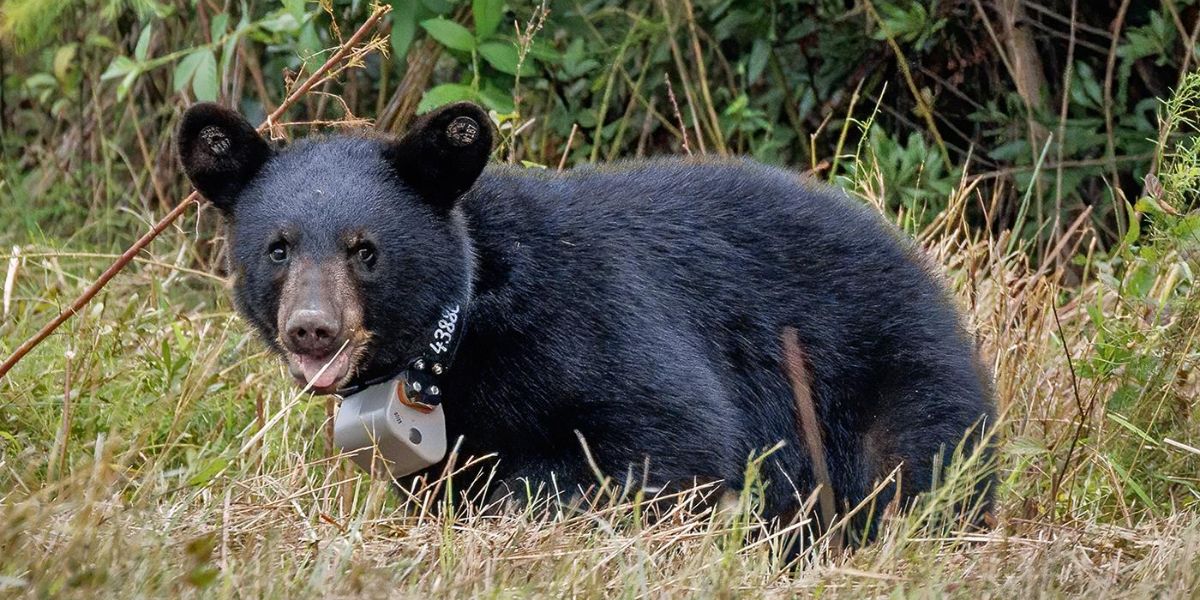
To better understand their survival patterns, some cubs are fitted with tracking collars before release. The collars record movement data and automatically detach in April, giving scientists valuable insights into their adaptation and habitat preferences.
“These tracking collars help us monitor survival rates, dispersal distances, and habitat use,” NCWRC biologists explained.
According to CBS17, the release sites were carefully selected to minimize human interaction and maximize the bears’ natural behaviors.
Public Safety Reminder
Officials are reminding the public not to approach bear cubs, even if they appear to be alone. In most cases, a mother bear is nearby searching for food and will return shortly.
“People who try to capture or handle a cub are not only risking the cub’s safety, but their own if the mother bear is nearby,” said Jenna Malzahn, a black bear biologist with NCWRC. “By trying to capture a bear cub, you may cause it to become orphaned, injured, or both.”
Experts emphasized that cubs seen alone are rarely orphaned, and human interference can create more harm than help. Late-summer or early-fall cubs are often mature enough to survive independently.
Conservation Success Story
The NCWRC’s rehabilitation and release program continues to play a vital role in supporting the state’s black bear population, which has grown steadily over the last several decades. The program not only protects individual animals but also provides critical research data to guide future conservation strategies.
Residents are encouraged to report injured or distressed wildlife to local authorities rather than attempting to help on their own.
What are your thoughts on North Carolina’s bear rehabilitation efforts? Share your views in the comments below.