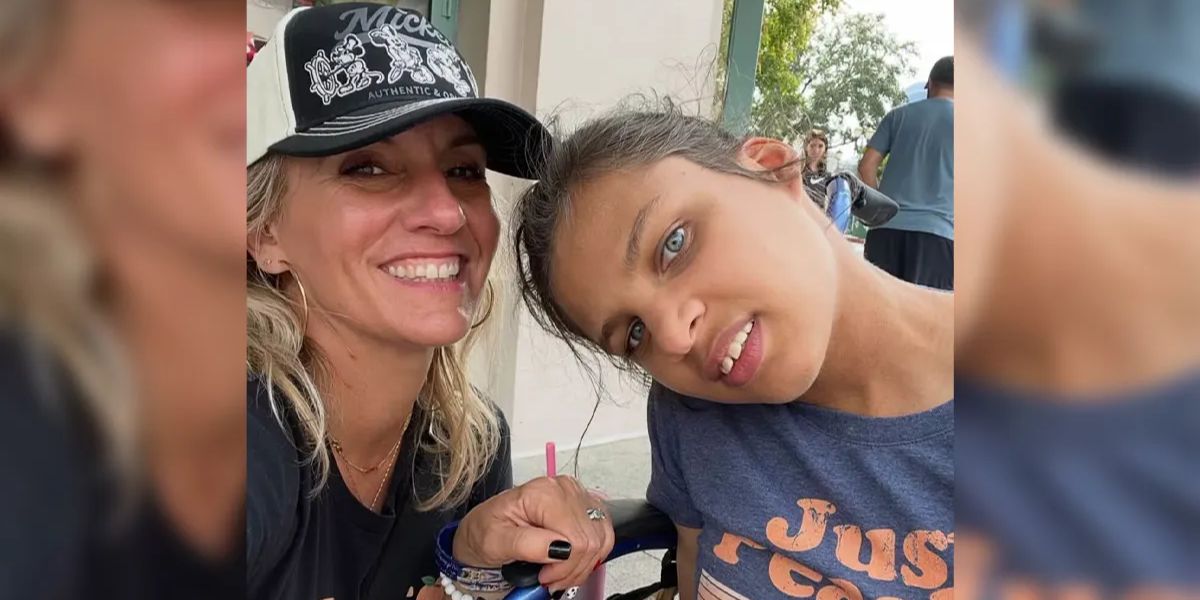
Ashburn, Virginia – A heartwarming story of compassion and community unfolded at the Alamo Drafthouse Cinema in Ashburn on September 13, when Jodie Howard and her daughter Rosie, who has cerebral palsy and cognitive disabilities, faced attempted ejection during a Hamilton movie screening. The incident sparked both controversy and support, culminating in a passionate defense from fellow moviegoers.
Rosie Howard, an adult with disabilities who loves the Broadway hit Hamilton, was enjoying the participatory screening when a manager approached to address a noise complaint. The theater’s strict policy allows no tolerance for disruptions, demanding immediate removal of any offending guests. However, Rosie’s vibrant connection to the show was misinterpreted as disruptive, threatening to cut short her joyous experience.
The Situation Unfolds: Interactive Screening Meets Strict Policy
When the manager informed the Howard family they had to leave due to a single noise complaint, Jodie Howard was stunned. The movie’s preview explicitly encouraged audience participation, and Rosie was enthusiastically singing and clapping along. Despite this, the manager insisted on enforcing the Alamo Drafthouse’s no-tolerance policy for disruptions.
Howard explained Rosie’s condition and need for occasional emotional regulation support, but the manager remained firm. The difficult encounter lasted for over three hours, causing visible distress for Rosie, who attempted to silence herself in compliance, shrinking away from the screen.
“That was the most heartbreaking part for me — watching my daughter withdraw into herself and squeeze my hand as tightly as she could,” Jodie Howard shared with TODAY.com.
Community Stands Up: Defending Inclusion and Joy
In a touching turn of events, when security guards came to remove the pair, the audience intervened loudly and decisively. Patrons united in defense of Rosie, challenging theater management and insisting she be allowed to stay.
- Moviegoers spontaneously spoke out, declaring Rosie was not disruptive and that management was causing the disruption.
- Supporters’ voices rang practically in unison, creating a powerful collective stance.
- After the movie, multiple attendees expressed relief that Rosie was able to enjoy the screening uninterrupted.
“The theater of strangers rose up in support: ‘She’s not disruptive. Let her stay. YOU are the disruption,’” Howard recounted on Facebook.
The Aftermath: Apologies and Calls for Change
The episode sparked widespread attention, prompting the Alamo Drafthouse Cinema to issue a public apology. A spokesperson confirmed their official response on Facebook, promising corrective action and offering a personal outreach to Rosie.
Key responses included:
- A formal apology to Jodie and Rosie Howard.
- Commitment to ensuring such incidents do not recur through improved training.
- Direct communication channels opened with the family to send Rosie a special gift.
Jodie Howard has also submitted a formal letter to the corporate office detailing her experience and advocating for greater sensitivity towards guests with disabilities.
“One of Rosie’s greatest joys is going to the movies — a safe and accessible space for her,” Howard explained. “She’s here to teach us about compassion, and it’s crucial that communities embrace and include people like her.”
Looking Forward: Building Awareness and Inclusivity
The incident has sparked broader conversations about disability awareness and the importance of accommodating neurodiverse audiences in public spaces like cinemas. Alamo Drafthouse’s existing Alamo for All program aims to create accessible environments but highlights the need for staff training aligned with real-world inclusivity.
Rosie’s story resonates as a poignant reminder that joyous participation in community activities is a fundamental right for all, and that sometimes advocacy arises from unexpected places — in this case, a united movie audience.
For more on this inspiring story, visit the original report at NBC DFW.
What do you think about this story of inclusion and community support? Have you or someone you know had a similar experience in public entertainment spaces? Share your thoughts in the comments below!