Salem, OR — Oregon lawmakers are inviting public feedback on a proposed transportation funding bill estimated to generate $791 million over the next two years, ahead of a special legislative session set to begin August 29. The proposal comes as the Oregon Department of Transportation (ODOT) faces severe budget shortfalls due to declining tax revenue, inflation, and spending restrictions.
Special Session Called to Address Transportation Shortfall
Governor Tina Kotek called lawmakers back to Salem in late July to tackle the funding gap for road maintenance, local government transportation programs, and public transit needs. Before the full Legislature convenes, the Joint Interim Committee on Transportation Funding will hold a public hearing at 3 p.m. Monday, allowing Oregonians to provide feedback on the proposed plan.
“Our economy and our local communities depend on safe and reliable roads and bridges,” said House Speaker Julie Fahey, a Eugene Democrat and co-chair of the interim committee. “This special session is our opportunity to stabilize critical city, county and statewide transportation services now, while laying the groundwork for a sustainable, long-term funding solution.”
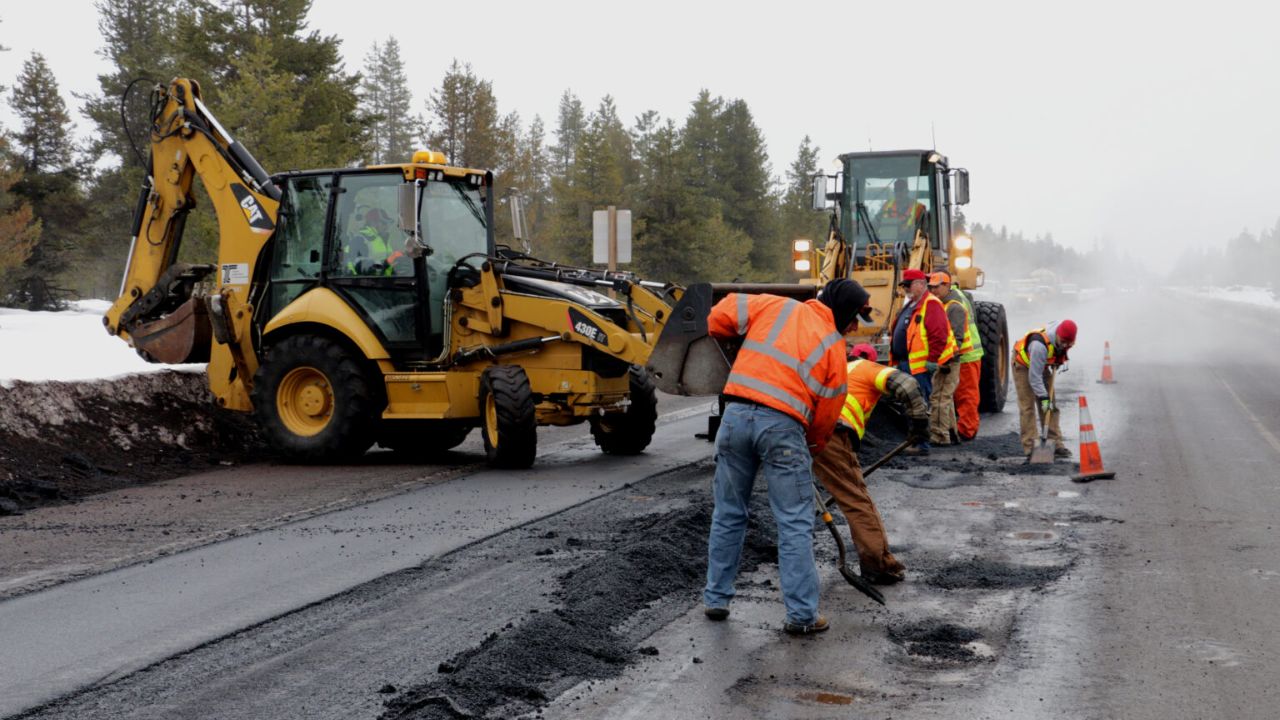
Without legislative action, ODOT will have to close 12 maintenance facilities statewide and lay off nearly 500 road and bridge workers. While the department issued layoff notices in July, Governor Kotek directed a delay until September 15, anticipating a potential resolution during the special session.
Key Features of the Proposed Transportation Bill
The proposed funding package includes a combination of tax increases, registration fee hikes, and transit payroll tax adjustments:
- Gas Tax Increase: From $0.40 to $0.46 per gallon, effective January 1, 2026.
- Registration Fee Hikes: Passenger vehicles from $43 to $85; utility vehicles, light trailers, low-speed vehicles, and medium-speed electric vehicles from $63 to $105; mopeds and motorcycles from $44 to $86.
- Title Fee Increase: Passenger vehicles from $77 to $216.
- Payroll Tax for Public Transit: Doubled from 0.1% to 0.2%.
- EV Registration Surcharge Increase: From $35 to $65 for high-efficiency cars and from $115 to $145 for electric vehicles.
- Mandatory Road Usage Charge: Phased in by 2031 for electric vehicle drivers, requiring either participation in the OReGO program or a flat $340 annual fee.
The Legislative Revenue Office projects that the legislation would raise $791 million for the 2025-27 budget cycle and nearly $5.8 billion by 2035. Approximately $590 million would go to the State Highway Fund (50% to ODOT, 30% to counties, 20% to cities), while $197 million would fund local transit districts.
Public Participation and Testimony
All committee meetings are open to the public. Due to capitol construction, attendees can enter through the center entrance on State Street. Those unable to attend in person may view a livestream on the Oregon Legislative website.
Oregonians may also register for in-person or remote testimony through the committee’s webpage, with registration closing 30 minutes before the hearing. Written testimony can be submitted up to 48 hours after the scheduled meeting.
“This public hearing is an essential step in ensuring Oregonians have a voice in shaping a sustainable and equitable transportation funding solution,” lawmakers noted.
Why the Bill Matters
With essential road maintenance, city and county transportation programs, and transit systems at stake, the outcome of the special session could determine whether Oregon avoids widespread layoffs and facility closures. The public hearing allows residents to weigh in on a plan that could impact commuting, infrastructure, and local economies for years to come.
What are your thoughts on Oregon’s proposed transportation funding plan? Share your perspective in the comments.