South Lake Tahoe, CA – A resident of South Lake Tahoe has tested positive for the plague, marking a rare but serious public health alert in El Dorado County. Local health officials say the individual is recovering under medical supervision at home after reportedly contracting the disease from a flea bite during a recent camping trip in the area.
How the Case was Detected
The El Dorado County Environmental Management Division and Public Health Division confirmed the diagnosis, though the patient’s identity and exact timeline of illness were not disclosed. Officials believe the person became infected while camping in a region where plague-carrying fleas are known to be present.
“Plague is naturally present in many parts of California, including higher elevation areas of El Dorado County,” said Kyle Fliflet, Acting Director of Public Health. “It’s important that individuals take precautions for themselves and their pets when outdoors.”
Understanding the Plague and Its Transmission
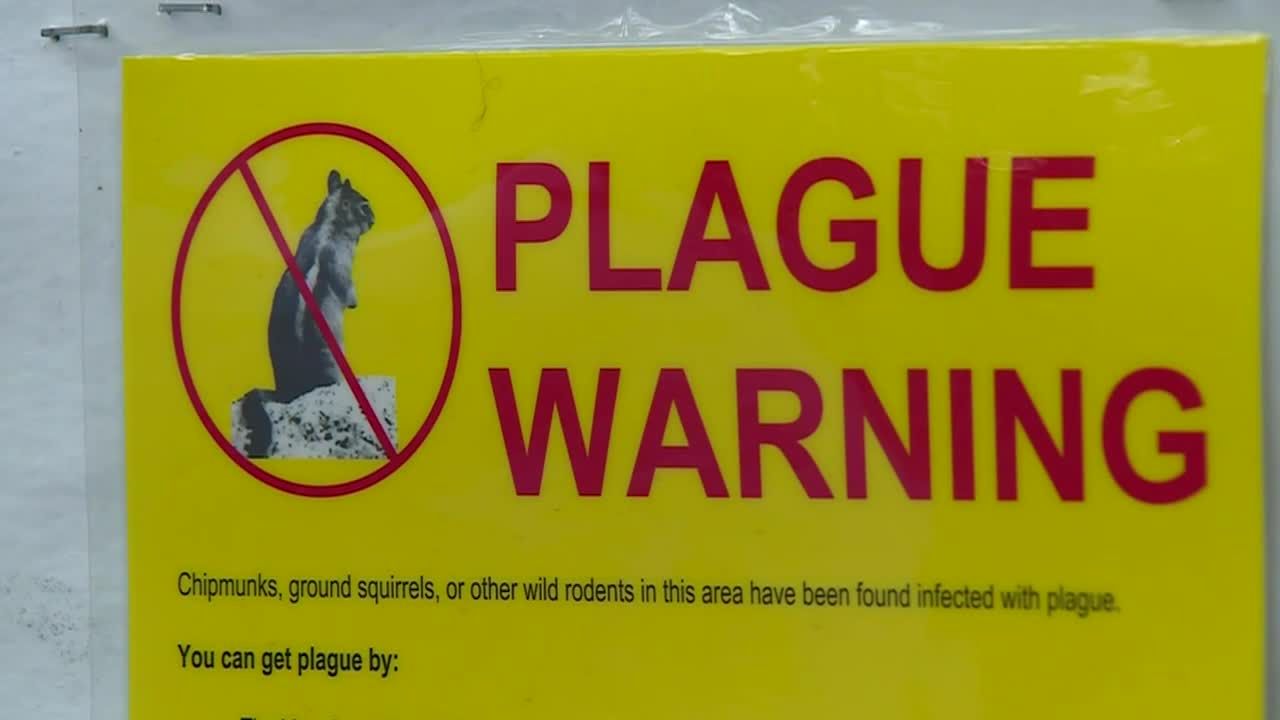
The plague, caused by the bacterium Yersinia pestis, is typically spread by fleas that feed on infected wild rodents such as squirrels and chipmunks. While rare in the U.S., cases do surface each year in the western states. Pets, particularly cats and dogs, can bring infected fleas into homes, increasing risk to humans.
Officials warn that people can become infected through flea bites, contact with infected animals, or in rare cases, person-to-person transmission of pneumonic plague as reported by KTLA.
Types of Plague and Their Symptoms
There are three main types of plague, each with distinct symptoms:
- Bubonic Plague: The most common form, transmitted via flea bites. Symptoms include fever, nausea, weakness, and swollen lymph nodes.
- Septicemic Plague: May arise from untreated bubonic plague or direct contact with infected animals. It shares similar symptoms and can lead to systemic infection.
- Pneumonic Plague: The most dangerous form, capable of spreading from person to person through respiratory droplets. Symptoms can develop within 24 hours, including pneumonia, fever, and headache.
While the patient’s specific diagnosis was not disclosed, officials note that early antibiotic treatment is highly effective. According to the Cleveland Clinic, around 90% of those infected survive when treated promptly. Without treatment, the disease is often fatal.
Ongoing Surveillance and Regional Risks
The county has been actively monitoring rodent populations for plague activity. From 2021 to 2024, 41 rodents in El Dorado County tested positive or showed signs of plague exposure. This year alone, four additional rodents have tested positive in the Tahoe Basin.
Authorities point to these findings as a clear reminder of the plague’s presence in the environment and the importance of vigilance when spending time outdoors.
Prevention Tips for Residents and Campers
To minimize risk, health officials advise the following:
- Avoid contact with wild rodents and their burrows.
- Do not feed squirrels or chipmunks.
- Keep pets on leashes and away from rodent areas.
- Use flea control products on pets.
- Apply insect repellent with DEET to shoes and cuffs when hiking or camping.
- Never touch sick or dead animals, and report them to authorities.
If your pet displays signs of illness after outdoor exposure, particularly in plague-prone regions, seek veterinary care immediately.
Recent Plague Cases in the Western U.S.
This incident follows other recent reports of plague in the U.S., including:
- A pneumonic plague-related death in northern Arizona earlier this year—the first since 2007 in that region.
- A bubonic plague case in Oregon in 2024, believed to have been contracted through a pet cat.
- Multiple animal infections in Colorado in recent years, including cats and prairie dogs.
Final Reminder from Health Officials
Anyone experiencing plague-like symptoms—such as fever, swollen glands, or respiratory issues—after spending time in affected areas should seek immediate medical attention. The disease, while serious, is treatable when caught early.
Have you or your pets spent time near South Lake Tahoe recently? Share your experiences in the comments below.