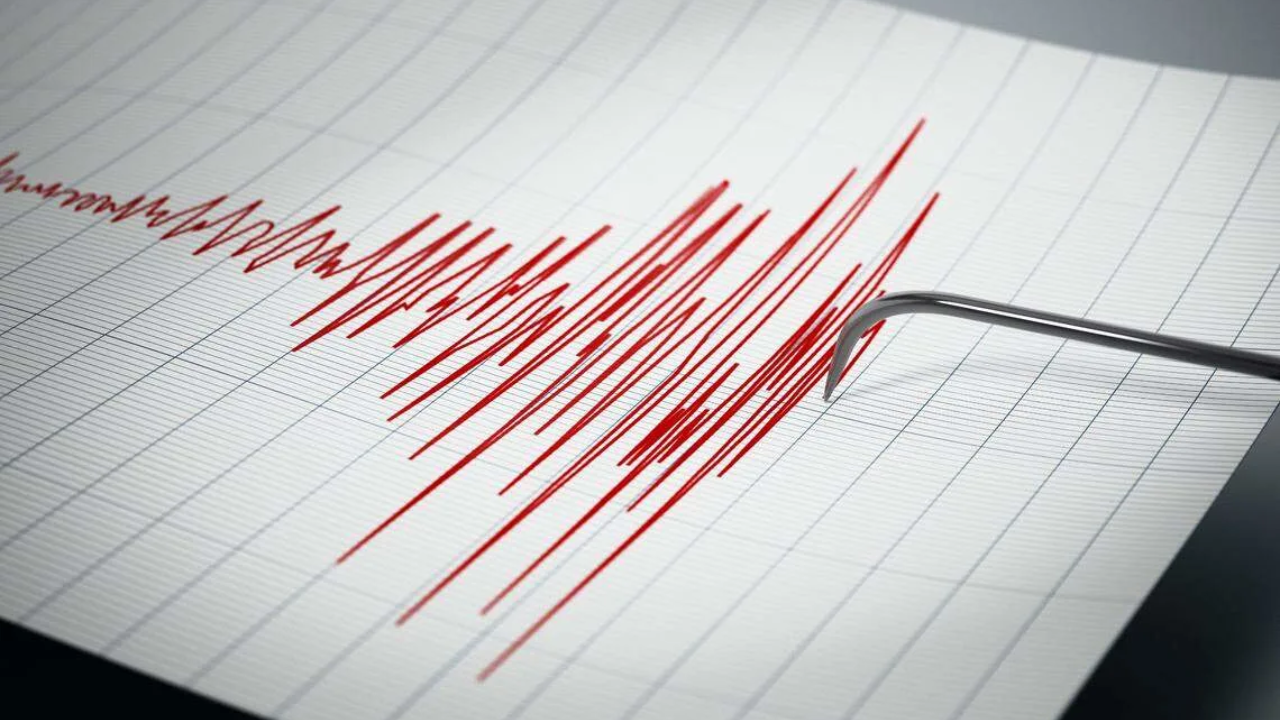
Mount Vernon, WA — Residents of Western Washington were startled early Thursday morning when a 2.9-magnitude earthquake struck near Mount Vernon, shaking homes and waking many from their sleep, according to the U.S. Geological Survey (USGS).
Earthquake Details
The quake, which struck at 1:01 a.m. on August 21, was centered less than a mile from Mount Vernon at a depth of 5.7 miles, the USGS reported. Despite its relatively small magnitude, more than 130 people reported feeling the tremor, including residents as far away as Seattle and Bellingham. Mount Vernon itself has a population of about 35,000.
“It shook the house. I’m less than a mile from the epicenter in east Mount Vernon. It lasted maybe 15 seconds,” one local commented on social media.
— Resident feedback reported via The News Tribune
Many other residents shared similar experiences:
- “I felt it in Big Lake. I thought it was a jet flying overhead from the navy base.”
- “Yes, I was laying in bed in La Conner and my bed was shaking beneath me.”
- “Yep. Woke me and the dog up in Mount Vernon.”
Understanding Earthquake Magnitudes
According to the USGS, magnitude measures the energy released at the source of an earthquake, replacing the older Richter scale. Quakes between 2.5 and 5.4 magnitude are typically felt by residents but rarely cause significant damage, while quakes below 2.5 magnitude are seldom noticeable.
- Magnitude 2.9 is considered minor, but the proximity to the epicenter contributed to the noticeable shaking in Mount Vernon and surrounding communities.
Earthquakes’ sudden and rapid shaking can potentially trigger fires, tsunamis, landslides, or avalanches, though such extreme effects are rare in small quakes. Washington state, along with Alaska, California, Hawaii, Oregon, and Puerto Rico, is among the regions in the U.S. where earthquakes occur most frequently, according to the Department of Homeland Security.
Safety Tips During Earthquakes
Officials emphasize that immediate protective actions can prevent injuries. Recommendations include:
- If indoors: Stay inside, away from doorways and windows, and drop, cover, and hold on.
- If in bed: Turn face-down and cover your head with a pillow.
- If in a car: Pull over, stop, and set your parking brake.
- If outdoors: Stay away from buildings and do not enter structures.
“Wherever you are, drop down to your hands and knees and hold onto something sturdy. If you’re using a wheelchair or walker with a seat, make sure your wheels are locked and remain seated until the shaking stops,” officials advised.
If possible, take cover under a sturdy table, holding on with one hand and remaining prepared to move if necessary. Officials also caution that aftershocks can follow the main shock, and additional hazards such as structural damage, leaking gas or water lines, or downed power lines may occur.
Residents React to the Tremor
The earthquake, though minor in magnitude, caused widespread awareness of earthquake preparedness in the region. Residents took to social media to share their experiences, emphasizing the noticeable shaking and brief disruption to sleep.
“It shook my house for about 15 seconds — enough to wake me and my dog,” a local wrote.
Experts remind the public that even minor earthquakes are opportunities to practice safety measures and ensure that homes are prepared for larger seismic events.
What measures do you take to stay safe during earthquakes? Share your tips and experiences in the comments below.