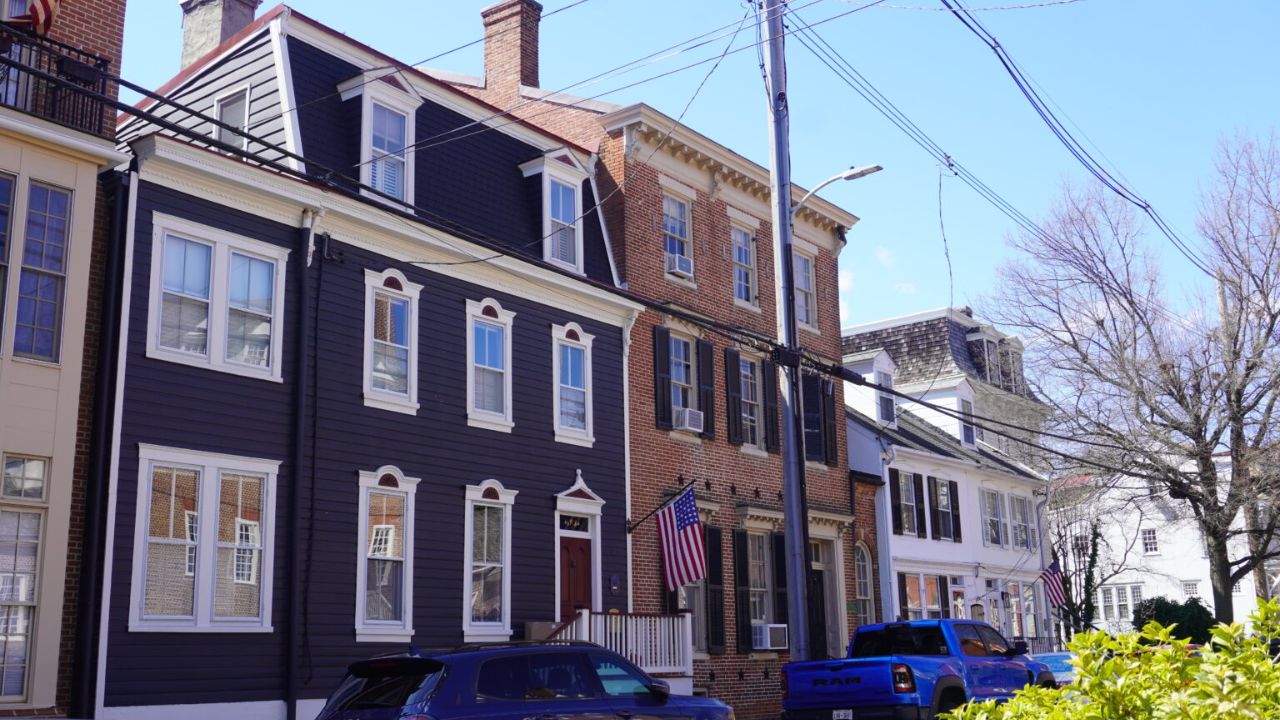
Annapolis, MD — Low-income workers in Maryland continue to face steep rental costs, with new data showing they must earn more than twice the state’s minimum wage to afford even a one-bedroom apartment without sacrificing other essentials.
Report Highlights Growing Affordability Gap
The 2025 “Out of Reach” report from the National Low Income Housing Coalition finds that a worker earning Maryland’s minimum wage of $15 an hour would need to work 89 hours a week to afford a one-bedroom rental home while still covering other living expenses.
This is the second consecutive year Maryland ranks as the eighth-most difficult state for low-income renters to afford housing.
“We have not made much progress in the state of Maryland and housing,” said Claudia Wilson Randall, executive director of the Community Development Network of Maryland, in an interview with Maryland Matters.
Housing Wage Continues to Climb
The report shows Marylanders working 40 hours a week would need to earn $39.15 an hour to afford a two-bedroom apartment in fiscal 2025 — up from $36.70 the year before. That translates to at least $6,786 a month or $81,434 annually to cover the average fair market rent of $2,036 without spending more than 30% of income on housing.
Maryland renters, however, earn an average wage of just $22.31 per hour, well below the required “housing wage” for a two-bedroom unit.
Quick facts from the report:
- 33% of Maryland households are renters — about 760,800 households statewide.
- The “housing wage” for a one-bedroom apartment is $33.24 per hour, still far above what many low-wage workers earn.
Impact on Workers Across Sectors
Wilson noted that high rent costs hit especially hard for workers in low-paid professions, including health care, retail, and transportation.
“Landlord costs are going up. Cost of insurance is going up … it’s utilities. Inflation is also real. That’s just a hard place for renters to be,” she said.
Those earning below the “housing wage” for a one-bedroom include nursing assistants, home health and personal care aides, construction workers, cashiers, and truck drivers.
Kevin Lindamood, president and CEO of Health Care for the Homeless, added that housing costs also affect medical staff.
“The high cost of housing continues to be one of the biggest issues facing Maryland families, including the very health care workers we all rely on when we’re sick – like the workforce employed by community health centers like ours,” Lindamood said in a statement.
Addressing Maryland’s 96,000-Unit Housing Shortage
Maryland has a shortage of roughly 96,000 housing units, according to Wilson. She says the state must increase housing production and create more affordable homeownership opportunities.
“Maryland needs to make progress in the production of housing,” she said. “We also need to create more opportunities for affordable homeownership… Again, it’s not a simple problem with one simple answer, but we have to make progress.”
Legislative Efforts and Setbacks
In 2023, Gov. Wes Moore introduced a housing package aimed at expanding affordable housing. In the 2025 session, he proposed linking new housing development to areas with high job growth, but the effort did not pass.
With rising rents and stagnant wages for many workers, housing advocates warn that without significant policy changes, the affordability crisis will continue to deepen.
What are your thoughts on Maryland’s housing affordability problem? Share your views in the comments.