New Smyrna Beach, FL — At least 21 people have been sickened — and seven hospitalized — after consuming raw milk from a Florida farm, according to a recent announcement by the Florida Department of Health. The illnesses have been linked to Keely Farms Dairy in New Smyrna Beach.
Outbreak Dates Back to January, Officials Say
Though the state first detected infections in January 2025, the health department only recently issued a news release identifying the farm due to what they called “continued recent cases.” Authorities noted that “sanitation practices in this farm are of particular concern.” Initially, officials didn’t specify if the milk came from cows, goats, or sheep.
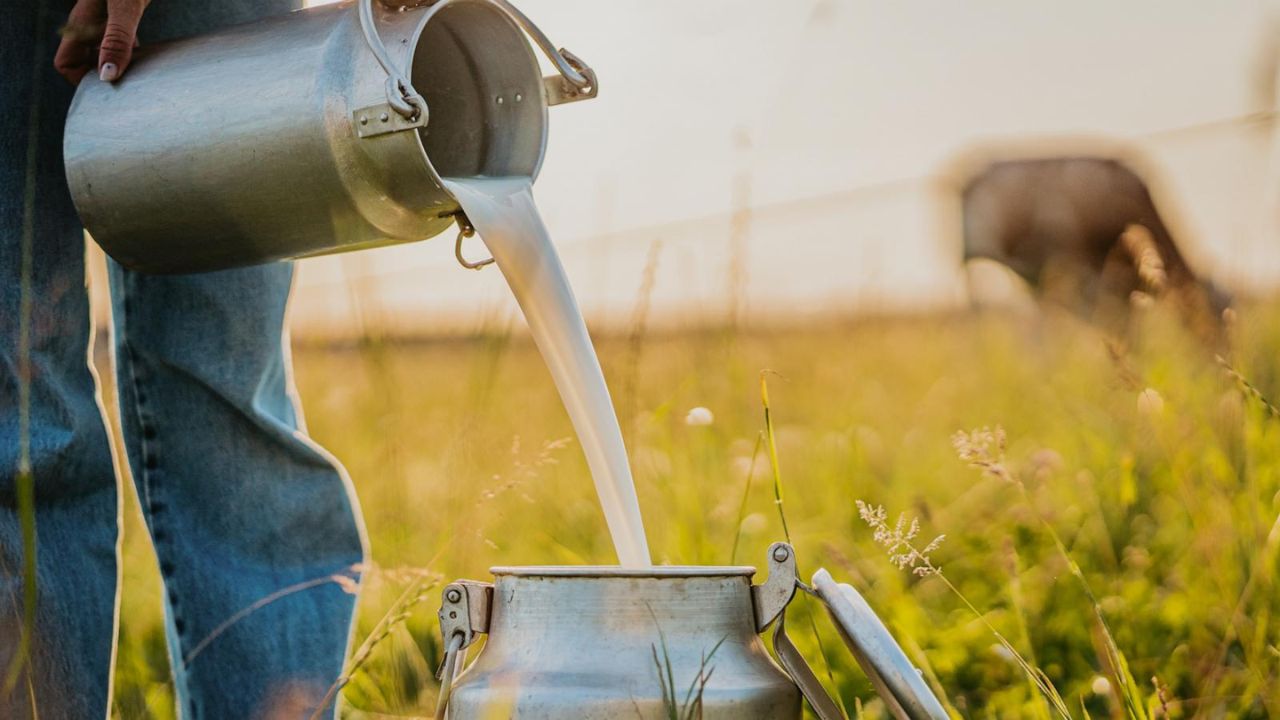
According to CNN, Keely Farms later confirmed on its website that it raises Jersey cows, stating:
“Our raw milk is milked and then processed in a clean environment with American made, stainless steel, grade A quality equipment. We test EVERY batch of milk in our tank before bottling with state of the art equipment that gives us instant analysis.”
In response to the state’s bulletin, Keely Farms issued a statement saying it was “blindsided” and had not been contacted by the Department of Health or told it was under investigation.
Children Among the Sick; Some Face Severe Complications
Patients have been diagnosed with either Campylobacter or Shiga toxin-producing E. coli (STEC) infections. Of the 21 reported cases:
- Seven people have been hospitalized
- Six patients are under the age of 10
- Two people have developed severe complications, according to health officials
“It’s not unusual in these raw milk cases to have a disproportionately large number of kids sick, because kids, frankly, drink more milk than adults do,” said Bill Marler, a food safety attorney.
“It’s generally kids that get hit the worst.”
How Dangerous Are These Bacteria?
Raw milk, which is not pasteurized, can carry dangerous pathogens. STEC bacteria produce shiga toxin, which destroys cells and triggers a dangerous inflammatory response. Dr. Norman Beatty of UF Health Shands Children’s Hospital explained:
“This response triggers a cascade of inflammation targeting the lining of our blood vessels.”
This can lead to hemolytic uremic syndrome (HUS) — a life-threatening condition that causes kidney damage, most common in children under 5. Patients with HUS may require hospitalization and dialysis.
Common symptoms of STEC include:
- Diarrhea (often bloody)
- Abdominal cramps
- Vomiting
- Low or no fever
Campylobacteriosis, which can also be contracted from raw milk, typically causes bloody diarrhea, fever, and abdominal pain. Complications may include Guillain-Barre syndrome and arthritis in rare cases.
Legal Loophole: Raw Milk Sold as Animal Feed
In Florida, as in many states, raw milk sales are allowed if the product is labeled as pet or animal food, which limits the state’s regulatory oversight.
“Residents and visitors should be aware that there are known risks associated with human consumption of raw milk,” said Isabel Kilman, press secretary for the Florida Department of Health, in a statement to CNN.
Despite the outbreak, the state’s bulletin did not explicitly warn people to avoid raw milk — instead saying it aimed to help people make “informed decisions.”
Raw Milk Outbreaks Are Not Rare
According to the CDC, between 1998 and 2018, raw milk was responsible for:
- 202 foodborne outbreaks
- 2,700+ illnesses
- 220+ hospitalizations
Because many people never report their symptoms or seek testing, experts believe the true numbers are significantly higher.
“Official reports of foodborne illness undercount the true burden,” the CDC states.
Raw Milk Remains Controversial
While health officials continue to warn the public, raw milk has gained traction among some wellness influencers and even political figures. Health and Human Services Secretary Robert F. Kennedy Jr. previously said he was a supporter of raw milk and was seen on video drinking a shot of it in the White House earlier this year.
The CDC continues to urge consumers to choose pasteurized dairy products, which offer the same nutritional value without the risks.
What do you think about the raw milk debate? Let us know in the comments.