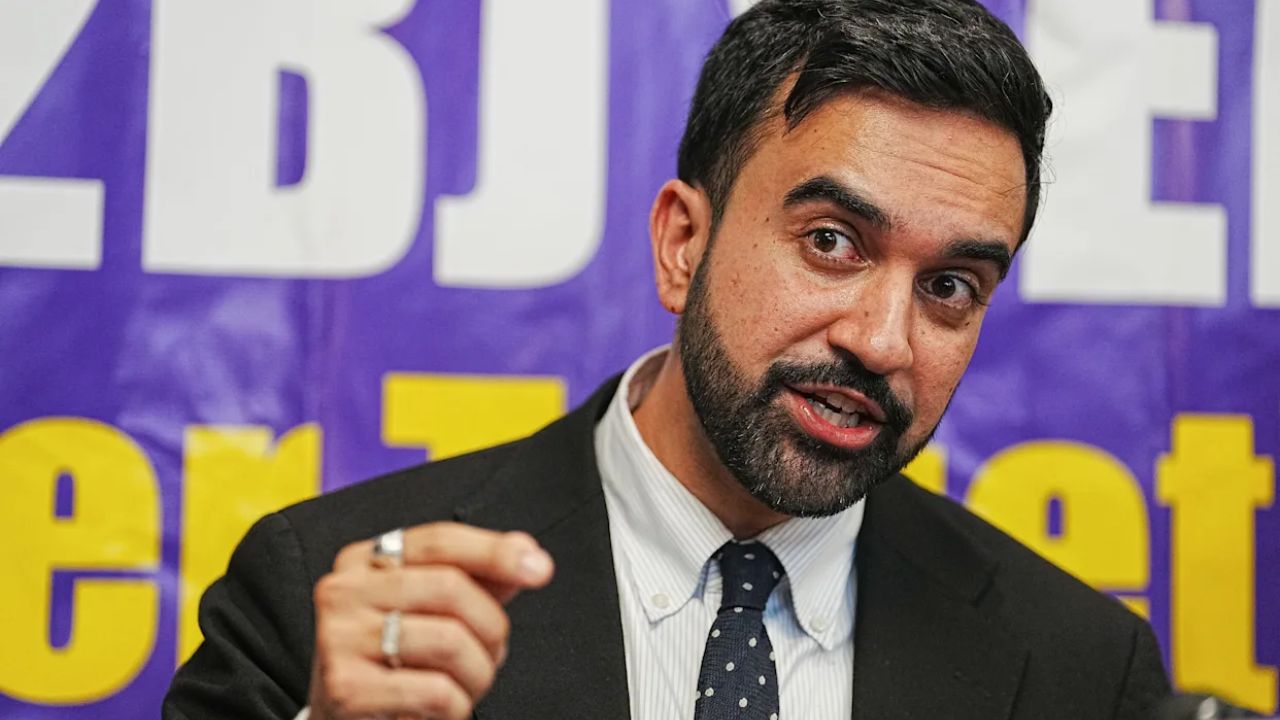
New York, NY — In the aftermath of a deadly mass shooting in Manhattan that claimed the lives of four individuals, including a police officer, New York City mayoral nominee Zohran Mamdani renewed his call to restructure the city’s approach to public safety, advocating for the use of non-police professionals to respond to certain 911 calls.
A Shift in Public Safety Strategy
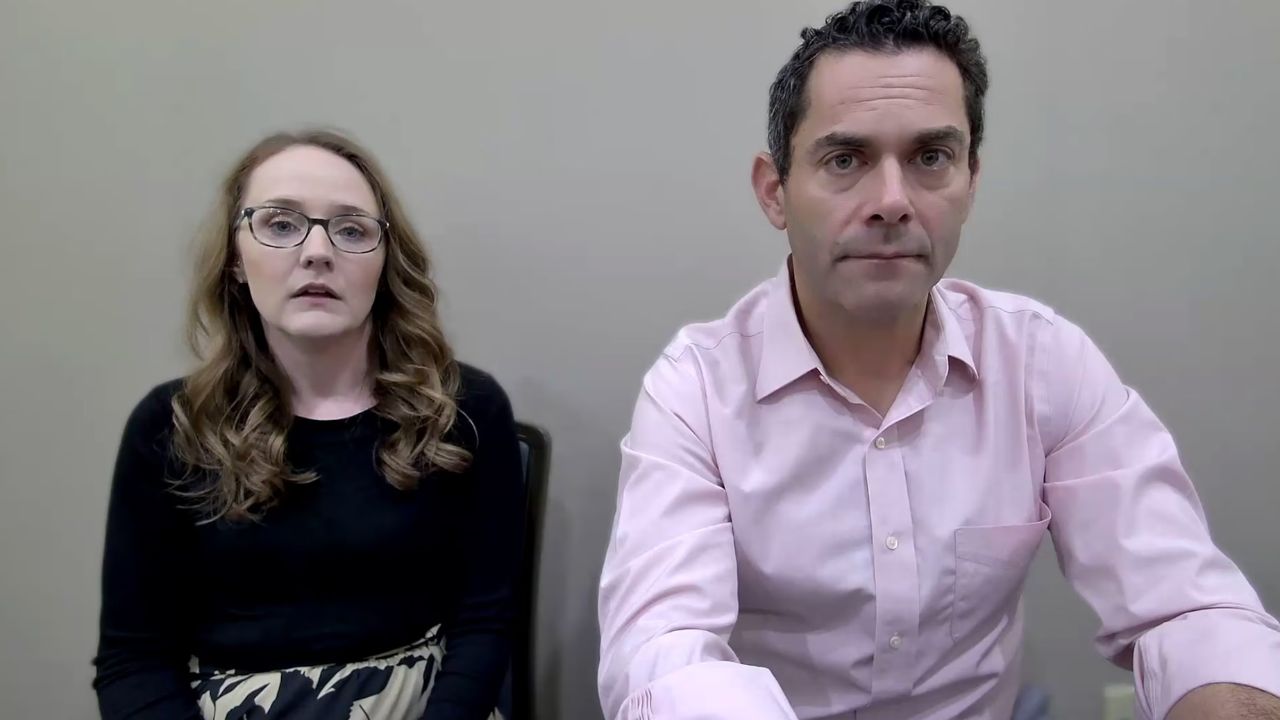
Speaking Monday alongside Sen. Elizabeth Warren, D-Mass., Mamdani outlined a vision to ease NYPD workloads and reduce forced overtime, which he says contributes to poor officer morale and retention.
“I’ve said time and time again that every decision I make with regards to the NYPD will work backwards from an outcome of public safety,” Mamdani told reporters. “And that public safety, we know, it is one that also comes from listening to officers themselves.”
Mamdani, a self-described democratic socialist, proposed that social workers, mental health professionals, and transit ambassadors should handle calls that don’t require an armed response — such as mental health crises or tourist assistance in transit hubs.
200,000 Calls Related to Mental Health
According to Mamdani, NYPD officers are currently dispatched to handle over 200,000 mental health-related 911 calls every year — a workload he argues should be offloaded to trained specialists.
He provided a real-world example to underscore his point:
“When we ensure that it’s not an officer who has to stand in the middle of the Times Square subway station and answer a question from a tourist about which exit works, and which escalator they can take… but that we actually have a transit ambassador such that that officer can focus on serious crime, it starts to reduce the kind of overtime that has ballooned.”
Forced Overtime and Officer Burnout
Mamdani emphasized that “forced overtime is not a surprise — it’s a requirement” under the current system, suggesting that the volume of non-violent and logistical calls NYPD officers handle is inefficient and costly.
He says implementing non-police responders for certain categories of calls would:
- Allow officers to focus on serious or violent crime
- Reduce overtime hours and payroll strain
- Improve long-term officer retention and morale
Past Controversies Resurface
Following the July 28 shooting, critics resurfaced Mamdani’s earlier calls to defund the NYPD, including comments made during a 2020 podcast and social media posts that year. During that podcast, Mamdani also argued that police should not respond to domestic violence calls, though he did not revisit that point in Monday’s press conference.
His latest remarks come amid increased scrutiny of his stance on law enforcement. Still, Mamdani insists his approach prioritizes effective safety, not ideology.
“This is about making sure our city is safe — and that means using the right people for the right situations,” he said.
Divided Reactions Across the City
Mamdani’s proposals have drawn both praise and criticism:
- Supporters argue the plan is a practical response to the over-militarization of urban policing and could reduce violent encounters between officers and civilians.
- Opponents say it undermines the NYPD and risks delaying or mismanaging emergencies that escalate quickly.
The debate is likely to intensify as Mamdani moves forward in the mayoral race, especially in a city where public safety continues to dominate the political conversation.
Do you agree with Mamdani’s approach to reshaping emergency response in NYC? Drop your thoughts in the comments.