United States – Skywatchers across large parts of the country may get one of the best chances in months to see the northern lights on Monday night, as a powerful solar eruption heads toward Earth and triggers a severe geomagnetic storm.
According to the NOAA Space Weather Prediction Center, a strong solar blast released by the sun on Sunday sent a fast-moving cloud of charged particles, known as a coronal mass ejection, toward Earth. When the CME arrives late Monday or early Tuesday, it is expected to spark widespread aurora activity across areas where the phenomenon is rarely visible.
Severe Geomagnetic Storm Expected Overnight
NOAA has issued a “Severe” geomagnetic storm watch for Monday night, classifying the event as a Level 4 out of 5 on its space weather scale. Storms at this level significantly expand the southern reach of the aurora, allowing it to be seen far beyond its usual northern locations.
Forecasters say the peak of the event could make the aurora visible across dozens of states, making it one of the strongest displays in recent months.
Northern Lights Could Reach Farther South Than Usual
During the height of the storm, aurora visibility may extend as far south as Alabama and Northern California, depending on local conditions. Even in areas where the lights are faint, long-exposure photography may capture green and pink hues that are difficult to see with the naked eye.
Farther north, especially near the U.S.-Canada border, the aurora may appear brighter, stretch higher into the sky, and in stronger bursts, move nearly overhead.
Cold Temperatures May Test Skywatchers
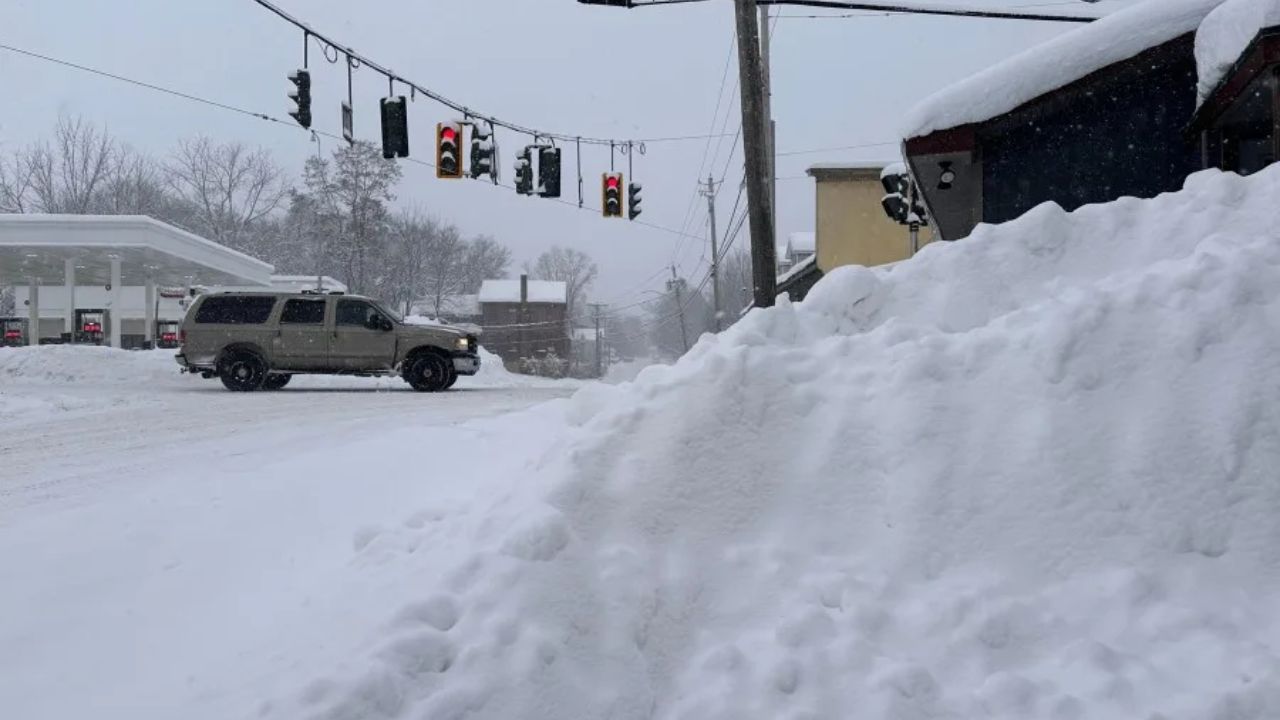
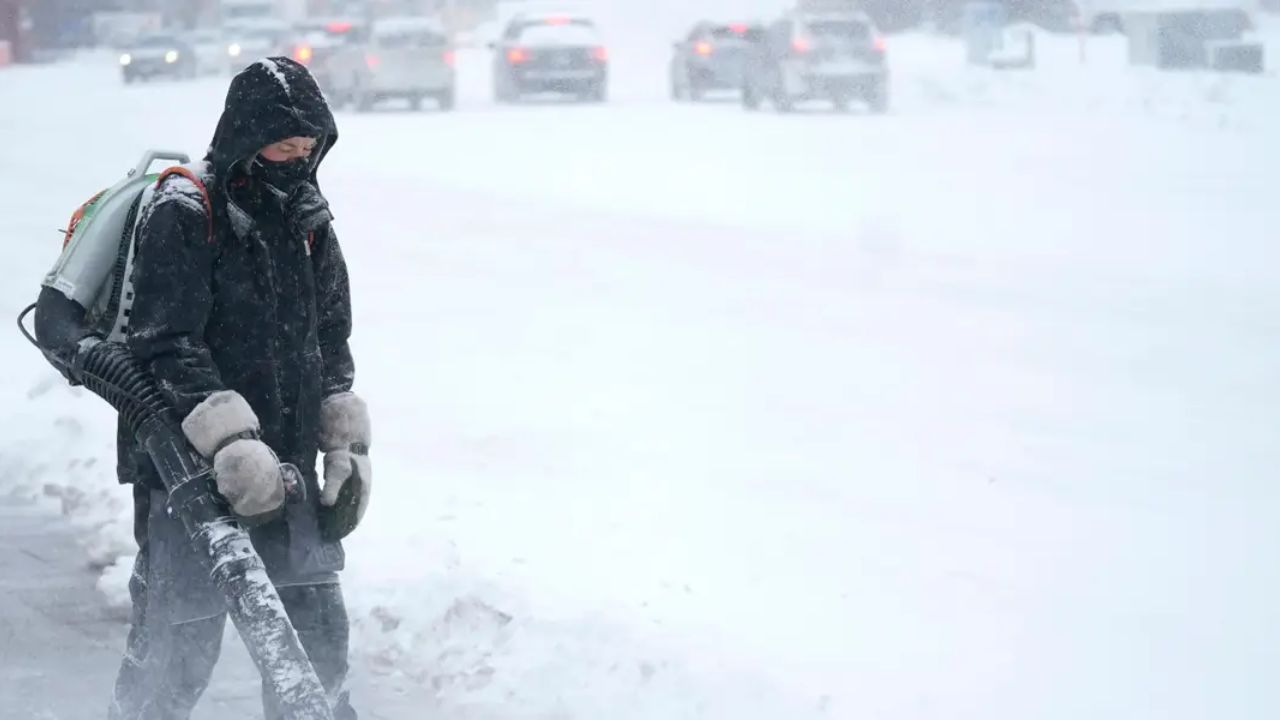
While the aurora outlook is promising, cold weather could make viewing uncomfortable. Overnight temperatures are expected to fall below freezing across much of the United States, with subzero lows forecast in parts of the Midwest, the Dakotas, and Nebraska.
Those planning to watch the sky are advised to dress in layers and limit exposure during peak cold hours.
Cloud Cover Could Decide Visibility
Clouds may ultimately be the biggest factor in determining who gets the best view. Forecasts suggest clearer skies in parts of the Ohio Valley, Kansas, and Nebraska, as well as across much of the western United States west of the Rocky Mountains.
Areas with persistent cloud cover may miss the display entirely, even if aurora activity is strong.
What the Aurora May Look Like
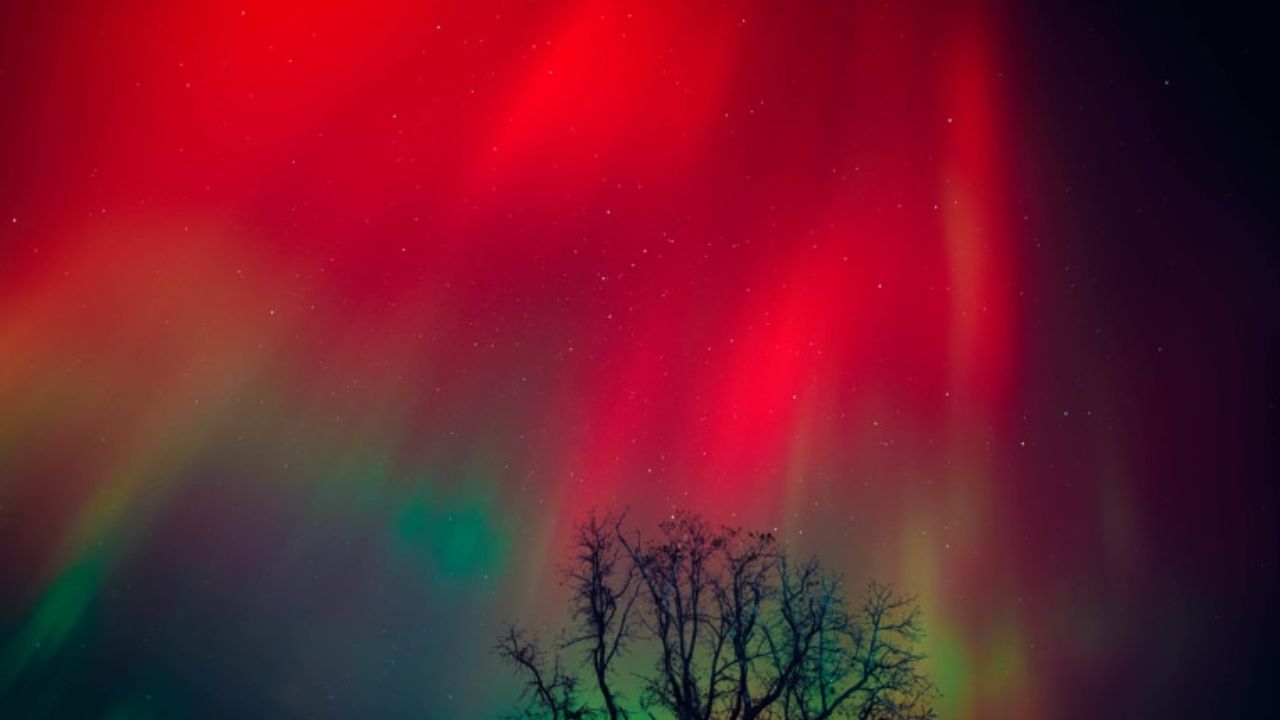
For many viewers, the northern lights may appear as a soft green glow near the northern horizon. During stronger pulses, faint reds or purples may be visible. In northern regions and Canada, the lights can form arcs, curtains, or rippling bands across the sky.
Likely a Short-Lived Event
Forecasters say this will most likely be a one-night event, with the strongest activity expected Monday night. Some aurora activity could linger into Tuesday night in parts of Canada and the far northern United States, but conditions are expected to weaken quickly.
Skywatchers are encouraged to check local forecasts, find dark viewing locations away from city lights, and be ready to look north during the late evening and overnight hours.