New York – A simple grocery run that once felt routine is now a shock for many Americans, as rising food prices continue to stretch household budgets. Shoppers who expect to spend around $15 on basic staples are increasingly walking out with totals well above $20, a trend that is pushing more consumers toward discount grocers and reshaping competition across the U.S. retail landscape. The broader shift was highlighted in a recent consumer-focused analysis published by TheStreet.
Shoppers Turn to Discount Grocers as Prices Climb
With food inflation squeezing budgets, shoppers are changing how and where they buy groceries. Retailers known for low prices, including Walmart and Dollar Tree, have reported an increase in higher-income customers seeking relief from rising costs.
As families struggle to restock pantries without overspending, traditional warehouse clubs face new challenges—especially as discount chains expand aggressively into new regions.
Aldi Announces Major Expansion
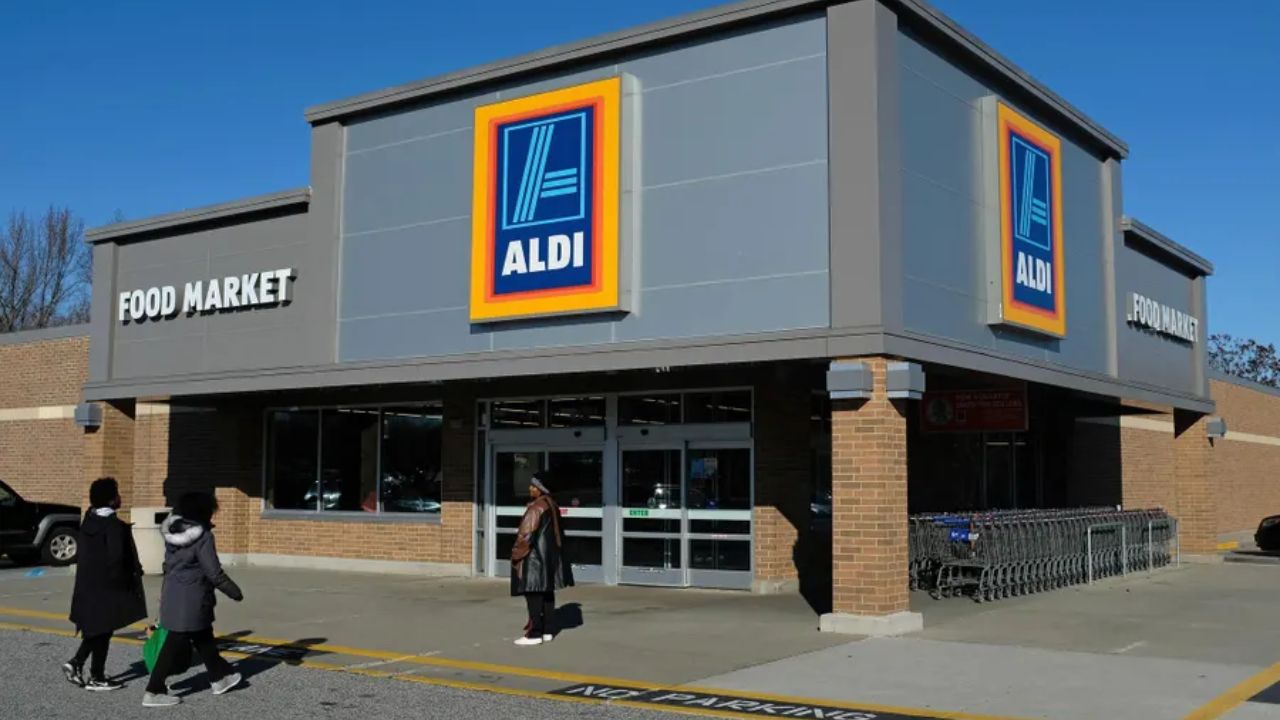
Aldi recently revealed plans to open more than 180 new stores by the end of the year, following a significant expansion in 2025. The company aims to reach 2,800 stores by the end of 2026 and 3,200 locations by 2028, marking one of the fastest growth strategies in U.S. grocery retail.
Aldi is targeting several key markets, including:
- Portland, Maine
- Denver
- Colorado Springs
- Phoenix
- Las Vegas
The retailer also plans to continue expanding across the Southeast.
“One in three U.S. households shopped at ALDI this past year, and in 2026 we’re focused on making it even easier for customers to shop our aisles first,” said Atty McGrath, CEO of ALDI U.S.
Why Aldi’s Growth Could Hurt Costco
Aldi and Costco share important similarities. Both emphasize value, rely heavily on private-label products, and aim to keep prices below national-brand competitors. More than 90% of Aldi’s inventory consists of exclusive store brands, while Costco leans on its Kirkland Signature line to offer premium-quality goods at lower prices.
The key difference is access. Costco requires shoppers to pay an annual membership fee, while Aldi does not. In an era of tight budgets, that upfront cost can be a barrier—even for loyal customers.
Costco reported a 92.2% membership renewal rate in the U.S. and Canada during the first quarter of 2026. While still strong, the figure represented a slight slowdown from the prior quarter, suggesting some consumers may be reconsidering the value of paid memberships.
Grocery Inflation Is Still Hitting Hard
Recent data underscores why shoppers are reevaluating their options:
- 88% of Americans have changed how they grocery shop because of inflation, according to LendingTree
- U.S. families spent about $310 more on groceries in 2025 than in 2024, a 4% annual increase
- Grocery prices rose 2.4% nationally in December 2025 compared with a year earlier
- Prices in the Western U.S. jumped 1.1% in December alone, the largest monthly increase since 2022
Costco May Need to Rethink Its Strategy
Aldi’s expanding footprint could meaningfully divert customers from Costco, particularly shoppers who can’t afford membership fees or bulk purchases. While buying in bulk can offer long-term savings, many households simply don’t have the cash flow or storage space to make it practical.
At Aldi, customers can buy smaller quantities without committing to a membership, a flexibility that may become increasingly attractive if grocery prices remain elevated through 2026.