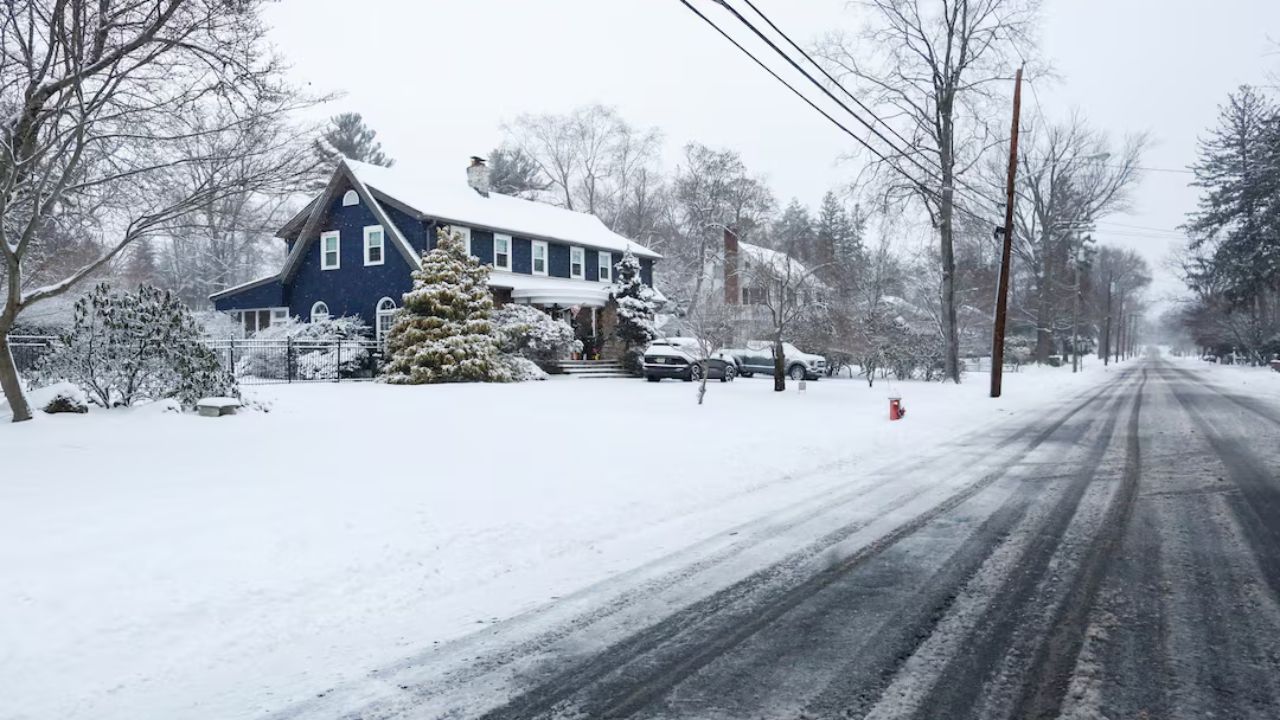
Chicago, Illinois – The National Weather Service has issued urgent winter storm warnings for eight U.S. states, cautioning residents about dangerous conditions that include heavy snowfall, near-zero visibility, and wind gusts exceeding 70 miles per hour. Forecasters say the storm system could severely disrupt travel and power infrastructure across large parts of the Midwest and Plains today.
Eight States Facing Severe Winter Weather
According to an update shared January 16, 2026, on the National Weather Service Prediction Center’s social media feed, the winter storm is expected to impact South Dakota, Nebraska, Iowa, Missouri, Kansas, Illinois, Indiana, and Michigan.
Meteorologists said the storm is concentrated over the northern and central Plains and portions of the Midwest, with conditions expected to deteriorate rapidly as the system moves east.
Wind Gusts Above 70 MPH Raise Power Outage Risks
The National Weather Service warned that parts of the northern and central High Plains are forecast to experience “damaging wind gusts above 70 MPH.” Officials said the winds could cause widespread damage to power lines and infrastructure.
“Any power outages will be particularly dangerous as sub-zero wind chills arrive behind the cold front,” the agency warned.
Forecasters emphasized that the combination of extreme cold and potential power loss poses a serious threat to public safety.
Whiteout Conditions Expected on Major Roadways
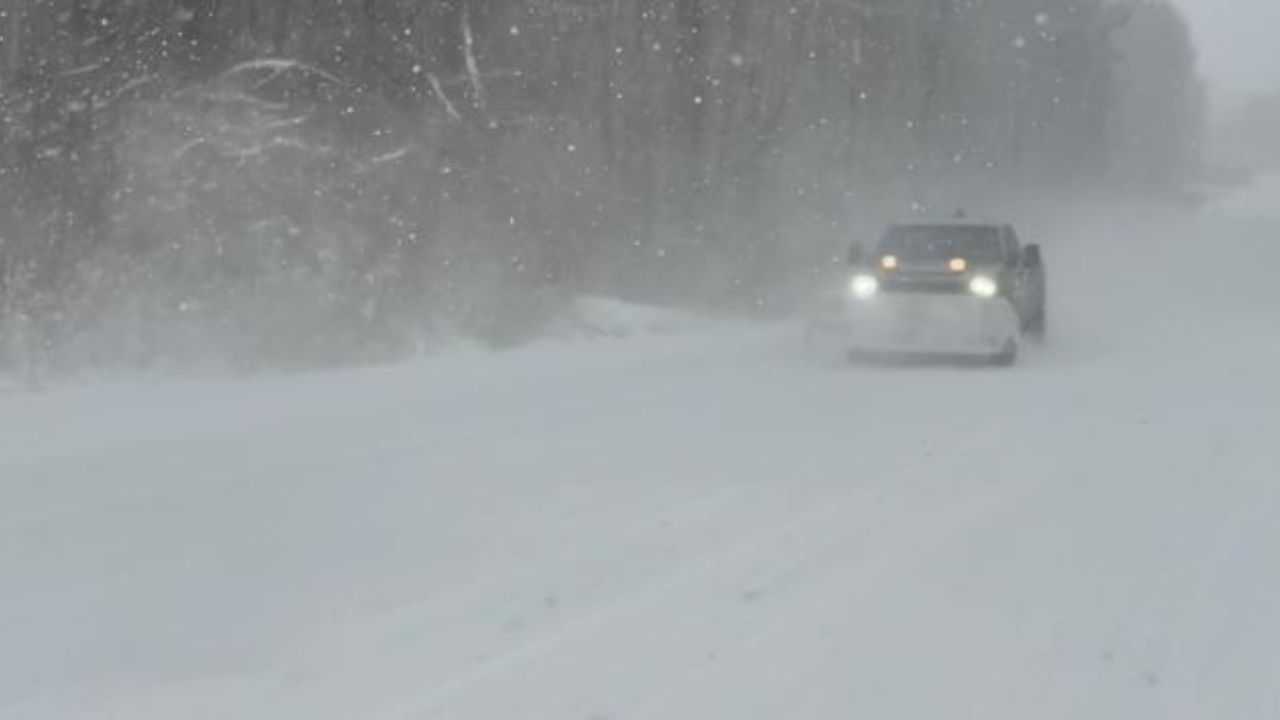
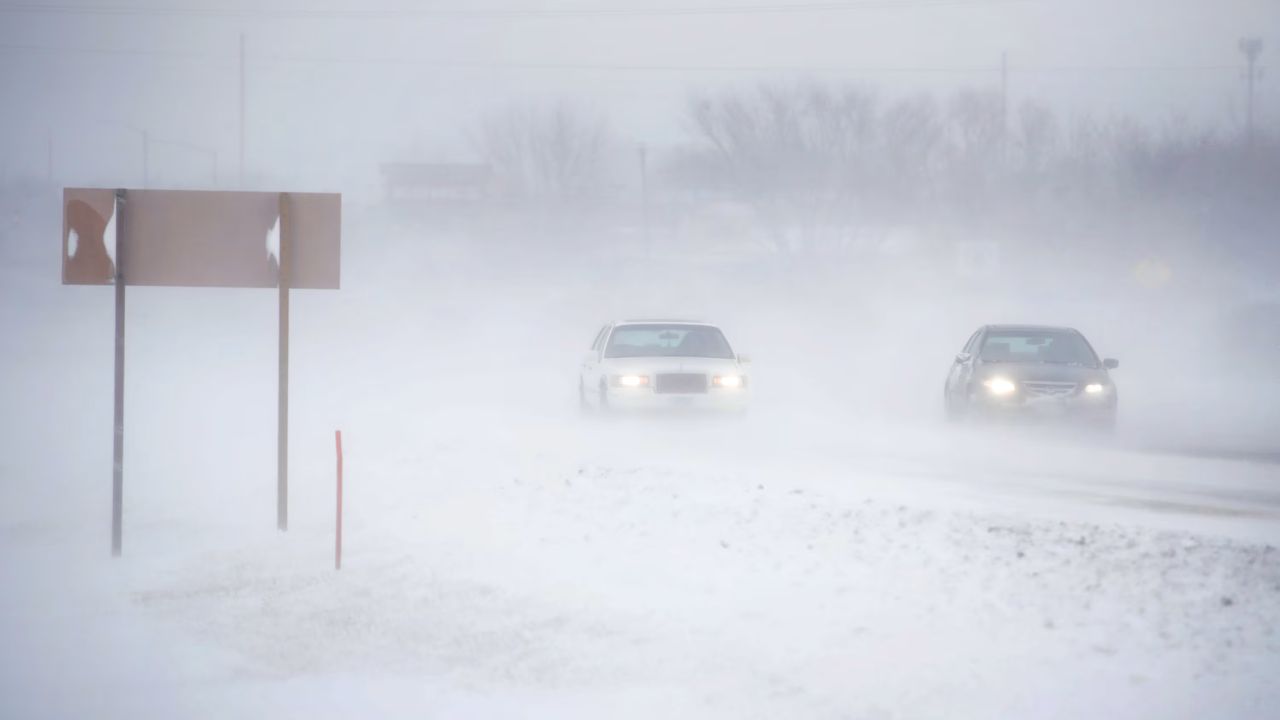
In addition to high winds, officials cautioned that blowing snow could create near-zero visibility across open areas of the Plains.
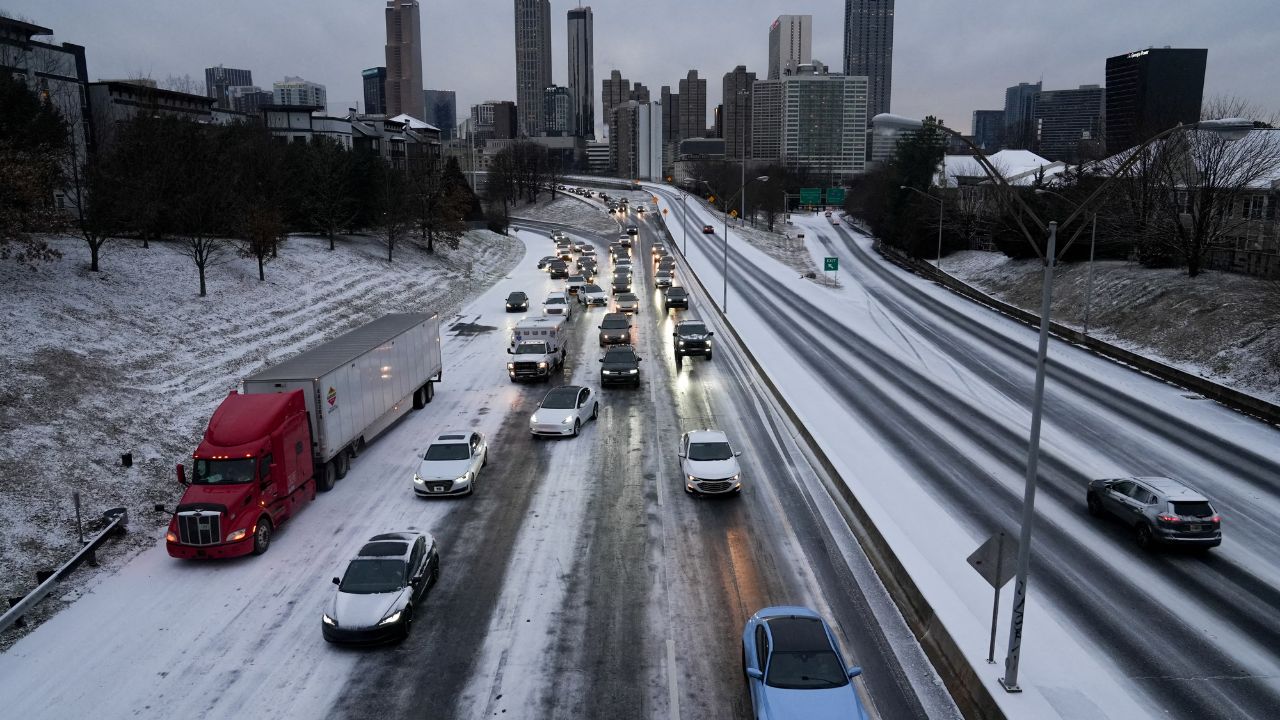
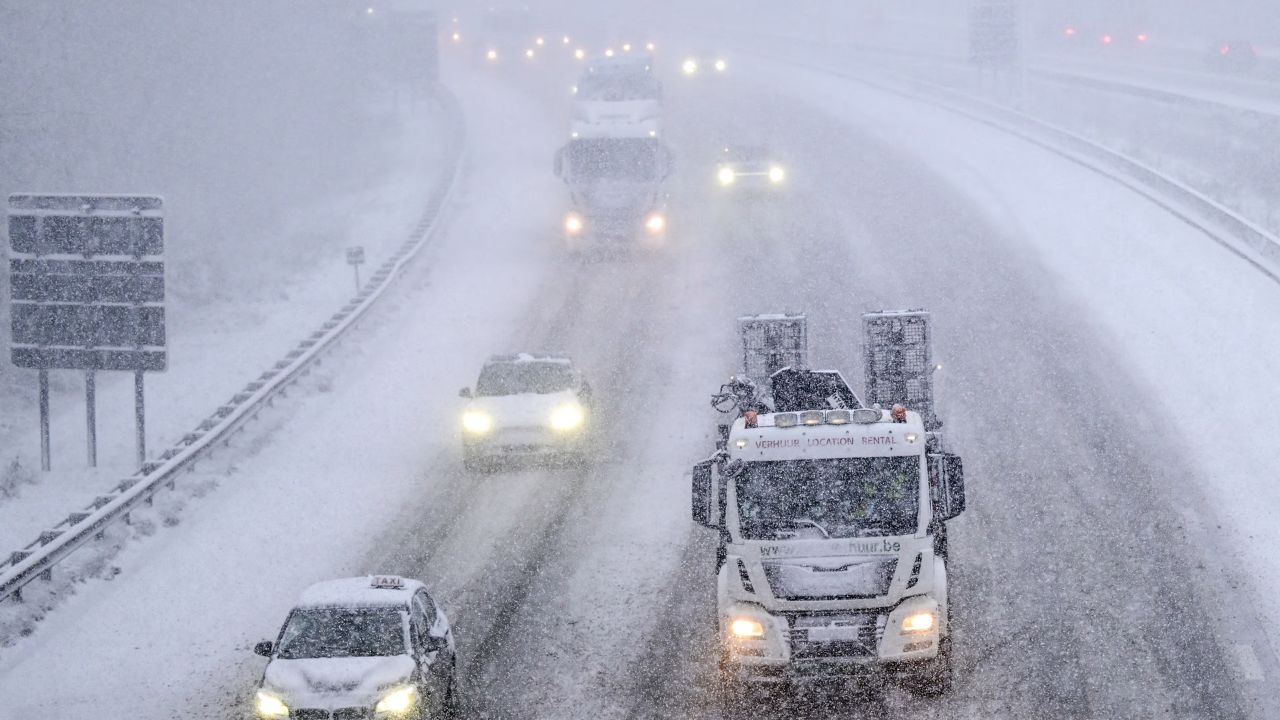
The agency warned of hazardous travel conditions, particularly for high-profile vehicles such as trucks and SUVs, as sudden whiteouts may make it impossible for drivers to see the road ahead.
Snow Squalls Could Bring Up to 8 Inches in Some Areas
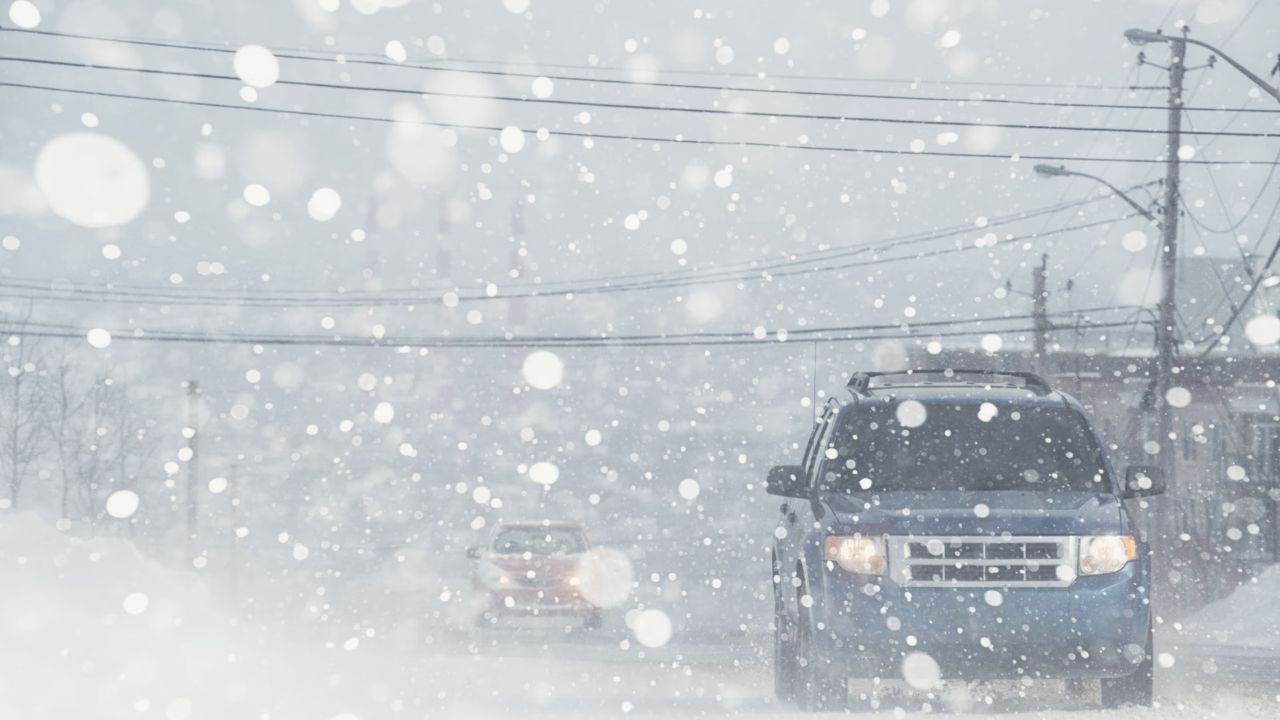
Snow squalls are expected across all affected regions as a strong cold front pushes through the Dakotas and Nebraska. While snowfall totals vary, Michigan is under a separate winter storm warning that forecasts up to eight inches of snow in some locations, with two to seven inches possible elsewhere.
Meteorologists say rapidly changing conditions may make snowfall totals difficult to predict, increasing the risk for motorists.
Experts Share Guidance for Driving in Dangerous Conditions
With travel conditions expected to worsen, experts advise avoiding unnecessary travel. For those who must be on the roads, automotive safety guidance published by Men’s Journal outlines key precautions.
Automotive writer Brian Iselin advises drivers to understand the risks of winter travel, including sudden slowdowns and chain-reaction crashes. He recommends driving during daylight hours, maintaining slow speeds, leaving large following distances, and never attempting to pass snowplows.
Iselin also suggests preparing vehicles with emergency supplies such as jumper cables, tire chains, blankets, water, snacks, and a headlamp, and ensuring fuel tanks are full before departure.
He cautions drivers against what he calls the “looks fine right now” mistake, urging people to check official weather services rather than relying on visual judgment before leaving home.
Slippery Driveways Add Another Winter Hazard
Snow accumulation can also create dangerous icy conditions around homes. A Men’s Journal report citing House Digest notes that sugar beet juice can be used as an alternative deicing option when salt is unavailable.
While not as powerful as commercial ice melt in extreme conditions, sugar beet juice lowers the freezing point of ice, similar to salt. Experts note it is less damaging to concrete surfaces, non-toxic to pets, and useful in emergency situations when other materials are unavailable.
The report also recommends sealing driveways and addressing drainage issues after winter to reduce long-term ice buildup.
Officials Urge Caution as Storm Continues
Forecasters stress that conditions may worsen quickly throughout the day and evening as winds intensify and temperatures drop. Residents in affected states are encouraged to monitor official forecasts and delay travel whenever possible as the winter storm system moves through the region.