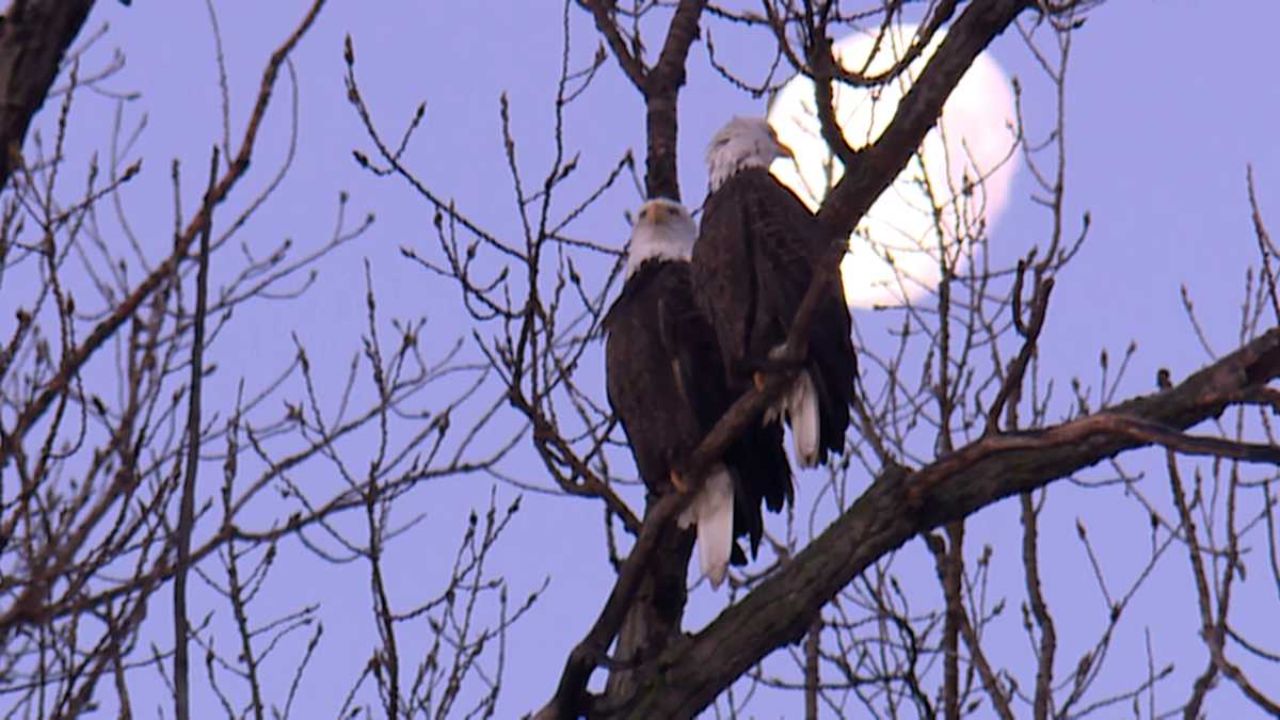
Northwestern Missouri – A remarkable surge of bald eagles descended on a small area of northwestern Missouri just days before the start of 2026, setting a new record and drawing birdwatchers and nature enthusiasts from across the region.
More Than 1,000 Bald Eagles Counted in Single Survey
Officials at Loess Bluffs National Wildlife Refuge announced the milestone after completing a bird survey on December 30, 2025.
“We have a new bald eagle record,” refuge officials said, confirming that 1,012 bald eagles were observed during the count. The previous high mark was 833 eagles, recorded on January 3, 2022.
The count represents one of the largest concentrations of bald eagles ever documented at the refuge and underscores the site’s importance as winter habitat for the iconic national bird.
Snow Geese Numbers Also Soar
The same survey revealed another striking figure: more than 20,000 snow geese were tallied across the refuge earlier in the week. Wildlife experts say the combination of open water, abundant food sources, and protected land makes the area especially attractive to large flocks during winter migration.
Together, the record eagle numbers and massive snow goose presence highlight an exceptional season for bird populations in the region.
Why Loess Bluffs Attracts So Many Birds
Spanning 7,440 acres, Loess Bluffs National Wildlife Refuge is often described as a birder’s paradise. The landscape features a diverse mix of wetlands, grasslands, and forested areas that support both migratory birds and year-round wildlife.
Because of its ecological value, the refuge has been named one of America’s Top 500 Globally Important Bird Areas by the National Audubon Society. The designation recognizes locations that are critical for the survival of bird species on a continental or global scale.
Rich Wildlife Beyond Bald Eagles
According to information published by the U.S. Fish and Wildlife Service, Loess Bluffs supports an extraordinary range of species throughout the year.
“Abundant populations of trumpeter swans, bald eagles, songbirds, shorebirds, waterfowl, deer, coyote, snakes and hundreds of other species utilize the wetland, forest and grassland habitats on the refuge,” the agency notes.
This biodiversity is one reason the refuge continues to attract researchers, photographers, and wildlife watchers from across the Midwest.
A Refuge With Deep Historical Roots
Loess Bluffs National Wildlife Refuge was established in 1935 by Franklin D. Roosevelt as part of a broader effort to conserve wildlife habitat during a period of environmental and economic challenge in the United States.
Today, it remains one of several wildlife refuges across Missouri that play a key role in supporting bird populations along major North American migration routes, particularly during the winter months.
What the Record Means Going Forward
Wildlife officials say record counts like this one are valuable indicators of habitat health. While eagle populations have rebounded significantly over the past several decades, such large gatherings depend on stable ecosystems and continued conservation efforts.
As winter continues, refuge managers expect strong visitor interest but remind the public to observe wildlife from a safe distance to avoid disturbing the birds during critical feeding and resting periods.