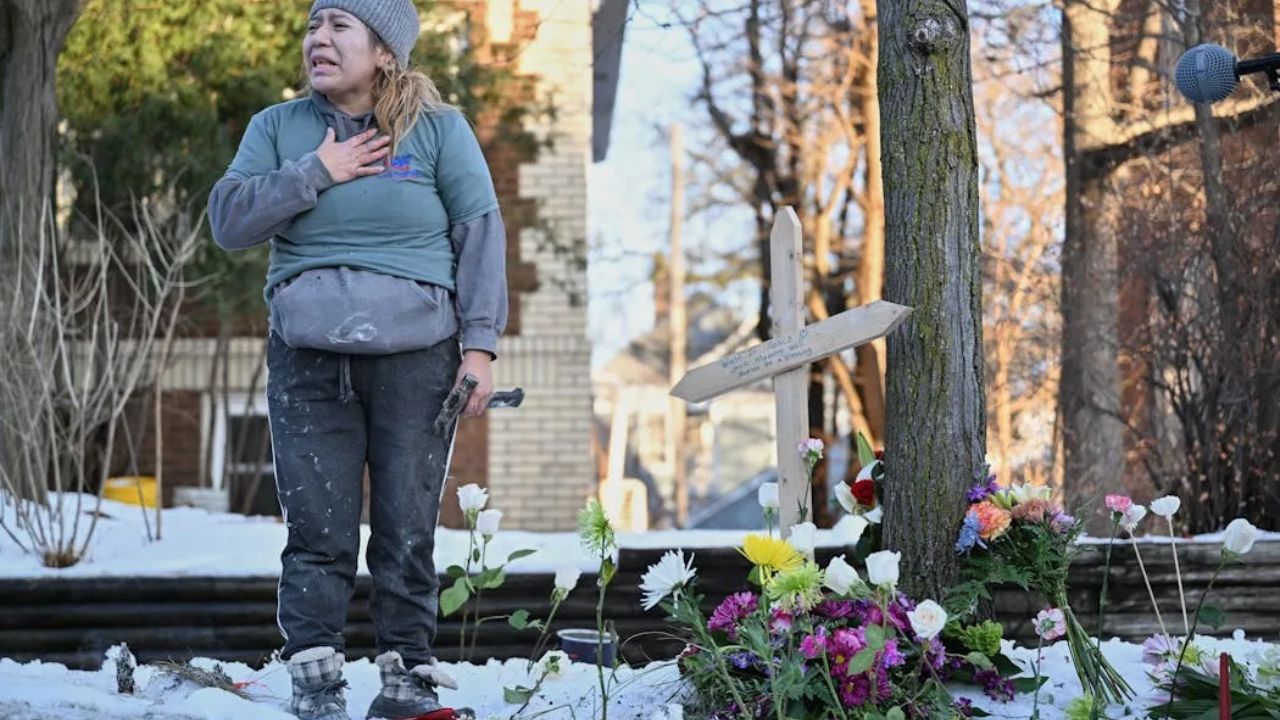
Minneapolis, Minnesota – More than a day after a fatal shooting involving a U.S. Immigration and Customs Enforcement officer, significant questions remain unanswered about what led to the death of 37-year-old Renee Nicole Good, fueling public tension and scrutiny across the Twin Cities. Conflicting accounts, incomplete footage, and limits on state involvement have complicated efforts to establish a clear and public narrative of the incident, as first detailed by CNN.
Conflicting Accounts of What Happened Before the Shooting
Federal officials, including President Donald Trump and Homeland Security Secretary Kristi Noem, quickly stated that Good attempted to use her vehicle to harm ICE agents during a targeted enforcement operation Wednesday.
However, available video footage presents a more complex picture. Analysts say the recordings do not show how the encounter began or what interaction, if any, occurred between Good and federal agents prior to the confrontation.
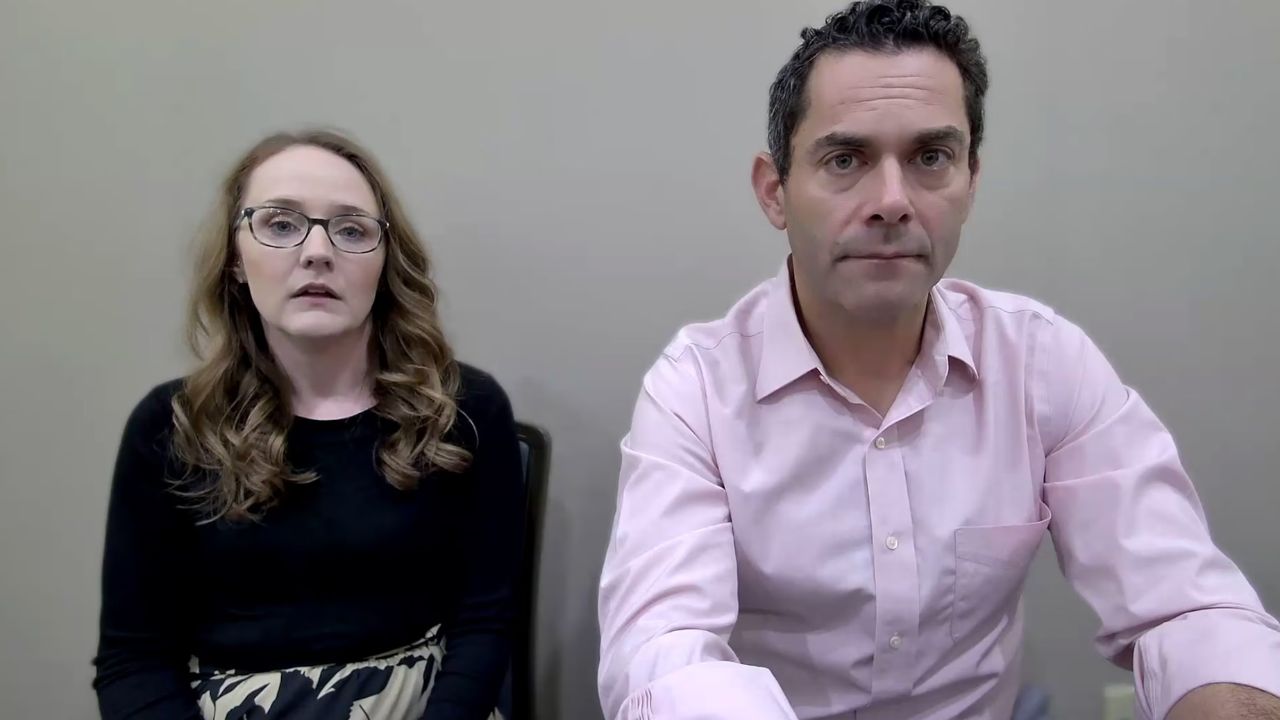
“We don’t see the beginning, we don’t see how we got to this moment,” said Juliette Kayyem, CNN’s senior national security analyst.
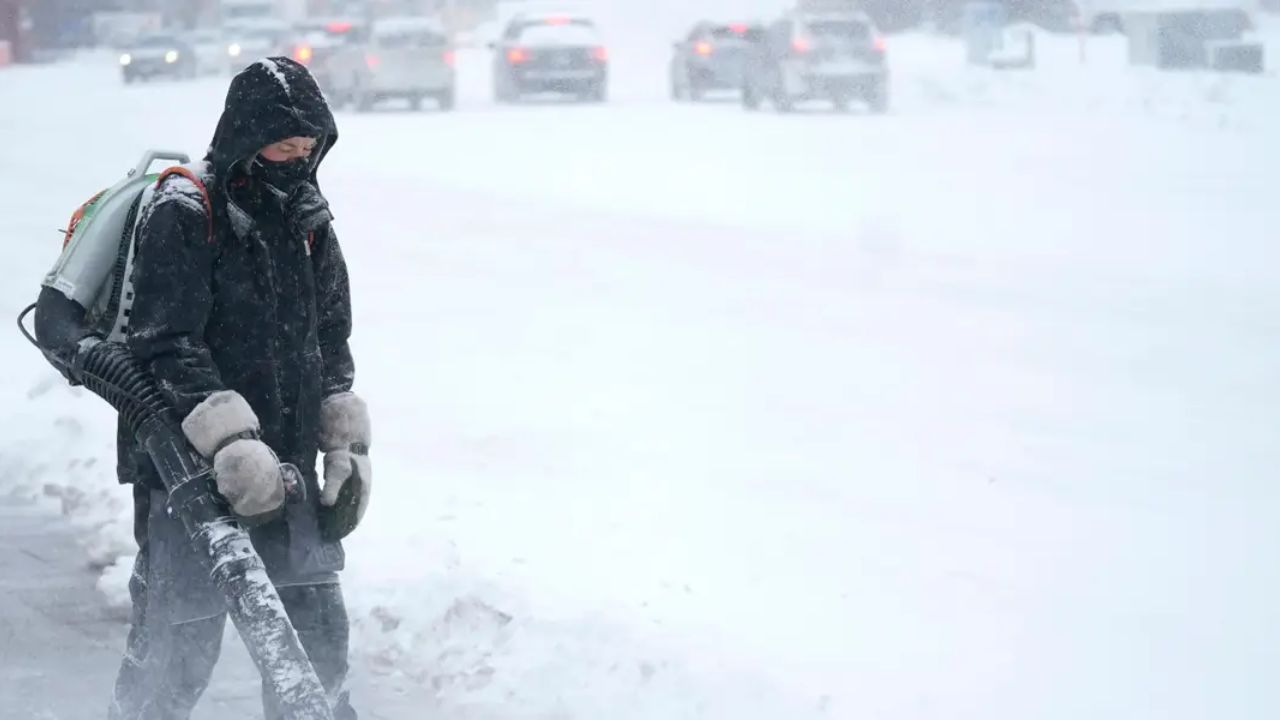
According to the Department of Homeland Security, agents were conducting a targeted operation when one of their vehicles became stuck in snow. As agents attempted to free it, Noem said a group of individuals interfered.
Video captured later shows Good’s SUV stopped in the roadway for several minutes. She appears to wave one vehicle past before signaling to another pickup truck. Two ICE agents then exit the truck and approach her vehicle.
Key Moments Caught on Video
One agent approaches the driver’s side door while another moves toward the front of the SUV. Officers are heard repeatedly ordering Good to exit the vehicle.
As the SUV begins reversing, then moving forward with its wheels turned away from the agents, the officer at the front draws his firearm. One video appears to show possible contact between the vehicle and the officer before the first gunshot, though another angle does not clearly capture that moment.
After the first shot, two more are fired as the vehicle accelerates away before crashing nearby.
What remains unclear is why Good was ordered out of her vehicle, whether agents intended to arrest her, and what legal basis existed for the stop. DHS has not publicly addressed those questions.
Questions About Policy and Officer Tactics
DHS confirmed Thursday that the officer who fired the shots has more than 10 years of experience as an ICE deportation officer. Officials have said he acted according to his training.
However, law enforcement experts note that ICE officers are typically trained to approach vehicles from the side, not from the front — a tactic designed to reduce risk if a vehicle moves unexpectedly.
Footage from the scene appears to show the officer positioning himself directly in front of the SUV.
Additionally, while DHS policy permits deadly force under imminent threat, many law enforcement agencies discourage shooting at moving vehicles due to the high risk involved.
A 2023 study by the Police Executive Research Forum recommended agencies prohibit shooting at moving vehicles except in extreme scenarios, such as mass casualty attacks.
Former U.S. Secret Service agent Jonathan Wackrow, now a CNN analyst, said he faced a similar situation during an arrest but chose not to fire.
“Firing a weapon at a moving vehicle is a high-risk, very dangerous option,” Wackrow said.
Investigations and Potential Consequences
The shooting is now under investigation by the FBI, which is examining whether the officer reasonably believed he or others faced imminent death or serious bodily injury.
Separately, DHS and ICE are conducting internal administrative reviews to determine whether the officer acted within agency policy. That review could result in disciplinary action, retraining, or no consequences depending on findings.
Minnesota’s Bureau of Criminal Apprehension initially expected to assist but withdrew after the FBI assumed control. Governor Tim Walz has called for state-level involvement, while the Hennepin County Attorney’s Office says it is exploring options to continue oversight.
Officer’s Prior Experience May Factor Into Review
Investigators may also consider the officer’s recent history. Court documents show he was injured last summer after being dragged roughly 100 yards during an arrest when his arm became trapped in a suspect’s vehicle.
That prior incident could influence how investigators assess the officer’s perception of threat during Wednesday’s encounter.
Former ICE deputy chief of staff John Amaya said he is withholding judgment but noted that officers are generally expected to avoid placing themselves in front of moving vehicles.
“If the officer could have jumped out of the way and let the car pass, that’s what he should have done,” Amaya said.
Political Climate May Shape Outcome
Despite the ongoing investigation, Trump, Vice President JD Vance, and Secretary Noem have all publicly stated that the shooting was justified.
CNN senior correspondent Josh Campbell, a former FBI agent, said those statements may affect the likelihood of criminal charges.
“I just don’t see a scenario where this agent is prosecuted,” Campbell said, citing the current political climate.
For now, the FBI continues its investigation, while state officials push for greater transparency and accountability as questions surrounding the fatal shooting remain unresolved.