Virginia — A fatal crash along Interstate 81 that killed three people, including a two-year-old child, is now at the center of a criminal investigation as prosecutors file charges against the truck driver involved. Authorities say the driver’s immigration history has drawn added attention amid broader national discussions about commercial driving safety.
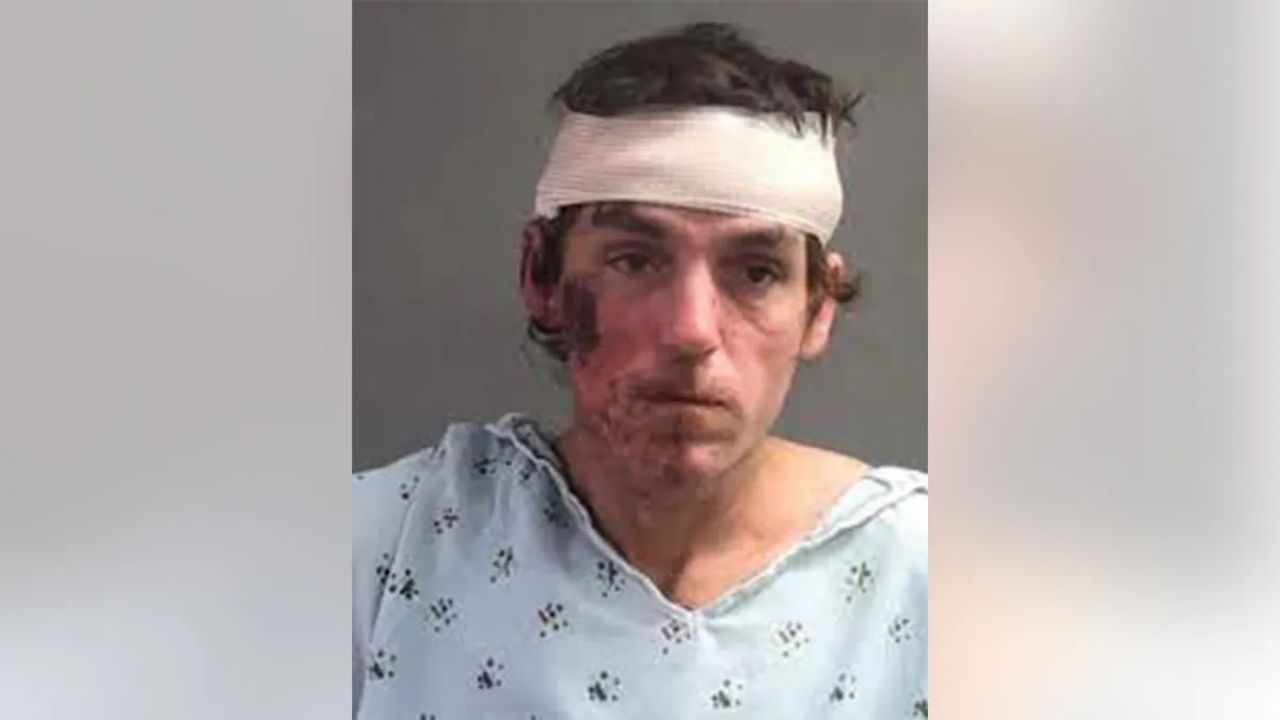
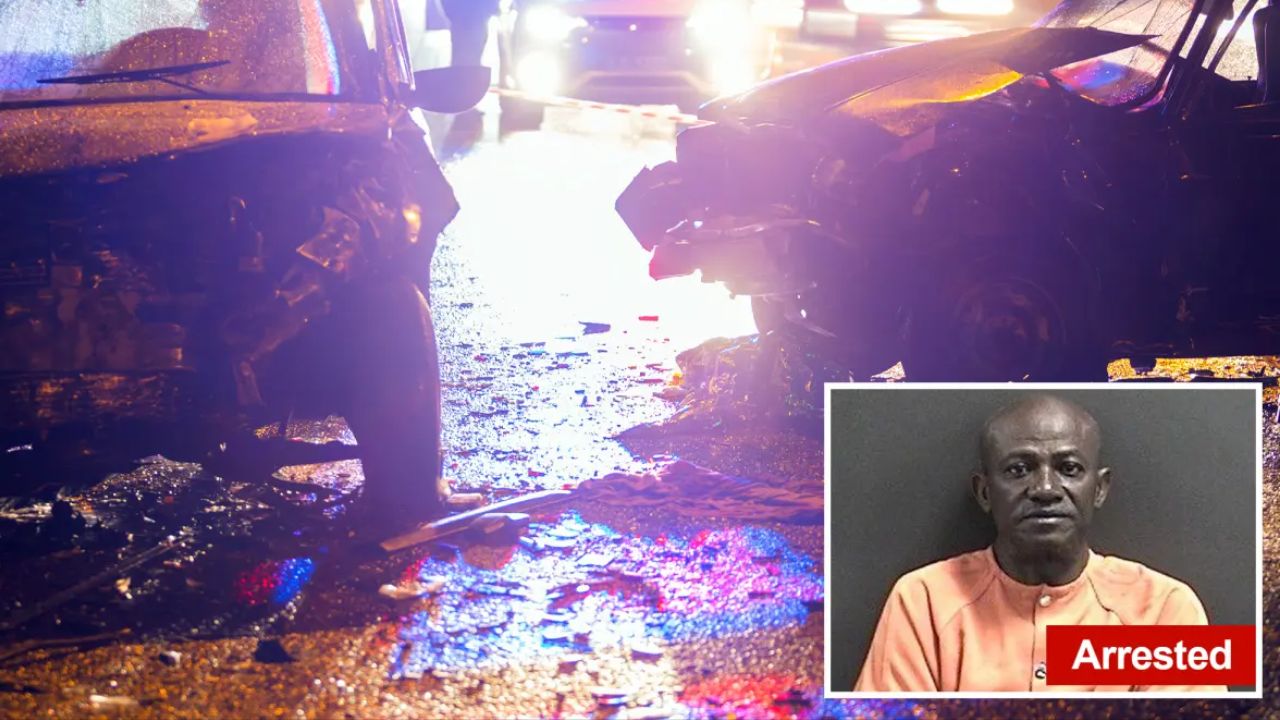
According to the Roanoke County Sheriff’s Office, El Hadji Karamoko Ouattara, 58, has been charged with three counts of involuntary manslaughter following the crash, which occurred on December 22.
Deadly Crash on Interstate 81
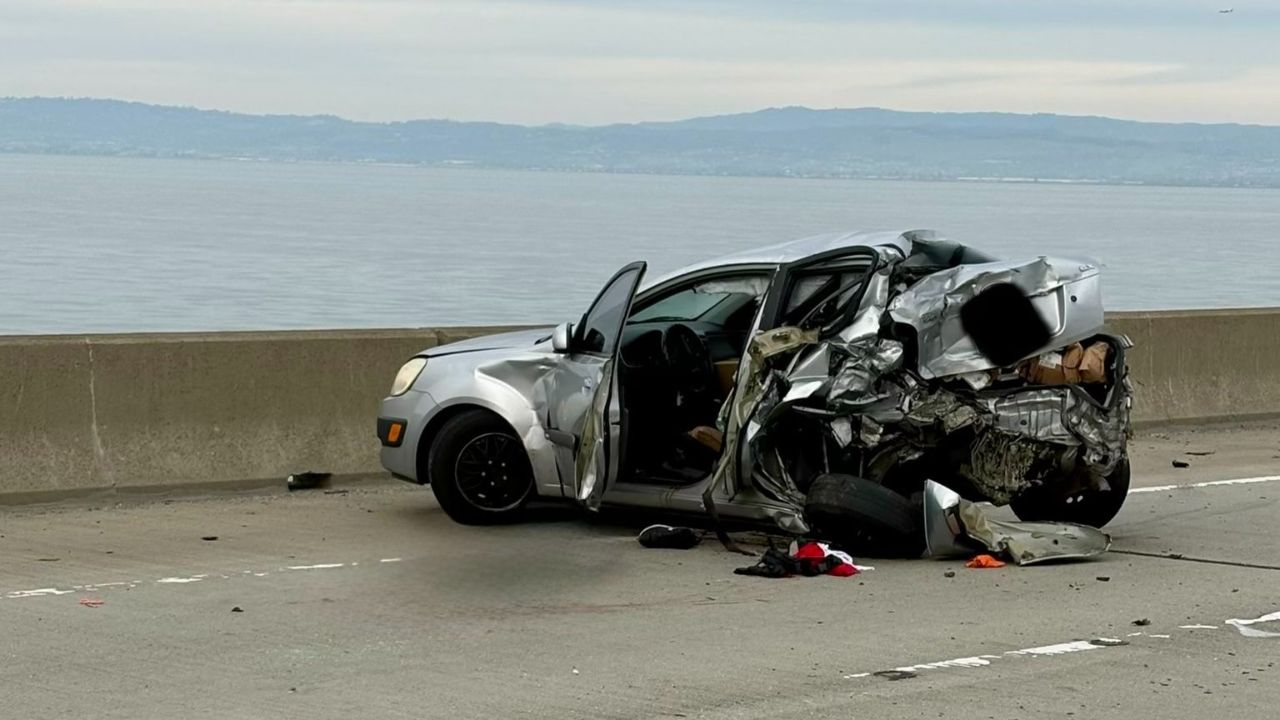
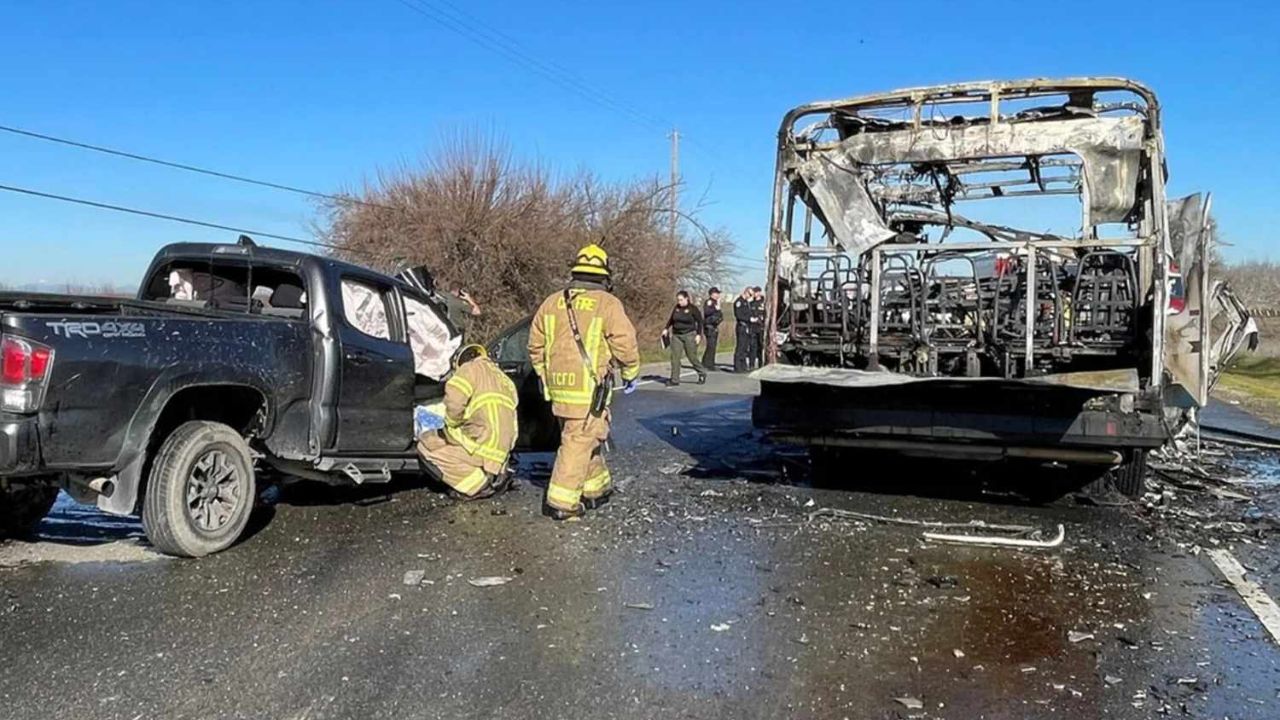
Investigators say Ouattara was driving a tractor-trailer when the vehicle left the roadway on Interstate 81 and struck a minivan, resulting in a devastating chain of events. Three people inside the minivan were killed, while three others were injured and transported to a nearby hospital.
Authorities identified the victims who died as 65-year-old Lorraine Renee Williams, 49-year-old Ebony Latasha Williams, and 2-year-old Shazziyah Lesley. A 63-year-old man, a 73-year-old man, and a 10-year-old girl were injured but survived, according to law enforcement.
The cause of the crash remains under investigation, though officials described the incident as involving reckless driving, leading to the involuntary manslaughter charges.
Driver Identified as Maryland Resident
The sheriff’s office said Ouattara is a resident of Montgomery Village, Maryland. At this stage, investigators have not released additional details about speed, mechanical issues, or whether fatigue or impairment may have played a role.
Authorities emphasized that the charges stem from the fatal outcome of the crash, not from the driver’s background.
Immigration History Draws Attention
A federal law enforcement source confirmed that Ouattara is a naturalized U.S. citizen originally from the Ivory Coast. According to the source, Ouattara initially entered the United States without legal status in the 1990s, later obtained lawful permanent residency, and eventually became a naturalized citizen.
Officials stressed that Ouattara’s current legal status is that of a U.S. citizen. The immigration details surfaced amid heightened national scrutiny of commercial driver licensing and safety standards, particularly involving non-domiciled commercial driver’s licenses.
Read Also: NYC Man Stabbed in Brooklyn as Police Probe Possible Antisemitic Attack
National Focus on Commercial Driver Safety
The case comes as federal agencies increase oversight of commercial driver licensing practices across the country. Earlier this month, Sean Duffy, Secretary of the Department of Transportation, said his department is working with the Department of Homeland Security to address concerns over improperly issued CDLs.
Federal officials have cited cases where non-domiciled commercial driver’s licenses were issued without sufficient vetting, raising safety concerns after several fatal highway crashes.
Duffy said the department has pressed states to comply with federal standards, noting that California has revoked roughly 17,000 non-domiciled CDL licenses following a compliance review.
“We are going to use every resource, every tool that we have at DOT to make sure that we have the right people on our road that are well qualified, well licensed, and proficient in the English language,” Duffy said. “That’s how we maximize safety.”
Investigation and Legal Process Continue
Prosecutors have not yet announced a court date for Ouattara’s next appearance. Authorities said the investigation into the crash remains ongoing, and additional details may be released as evidence is reviewed.
Law enforcement officials reiterated that all defendants are presumed innocent unless and until proven guilty in court.
Broader Questions About Road Safety
The fatal crash has renewed attention on commercial vehicle safety, training standards, and enforcement on major highways like I-81, a heavily traveled corridor for freight traffic.
As families mourn the victims, officials say the case underscores the consequences of serious driving violations — particularly when large commercial vehicles are involved.
What changes, if any, do you think are needed to improve safety on major trucking routes? Share your thoughts in the comments below.