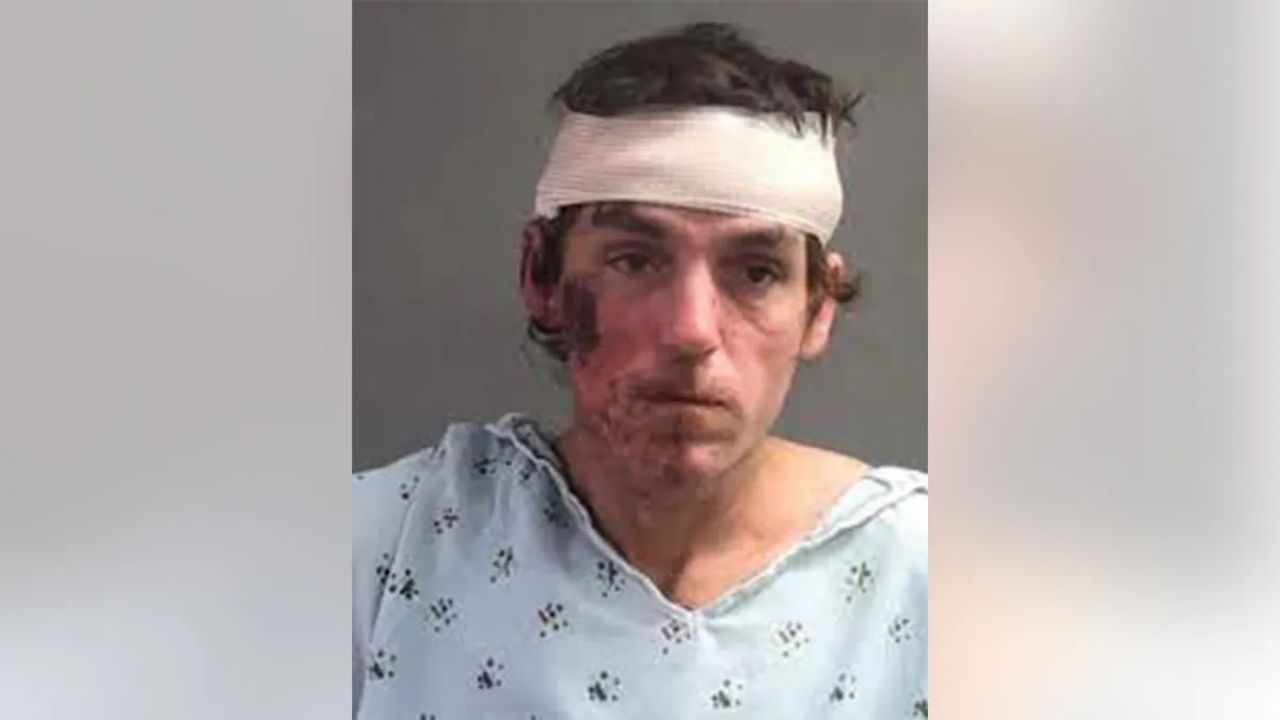
Michigan – A rare and devastating medical case has emerged in the Midwest after a Michigan man died from rabies transmitted through a donor kidney, prompting a multistate public health investigation and raising new questions about donor screening protocols.
The Centers for Disease Control and Prevention (CDC) confirmed that the organ donor — an Idaho resident — had been unknowingly infected after a skunk scratched him weeks before his death, leading to the fatal transmission.
Donor’s Hidden Infection Leads to Tragic Outcome
According to federal investigators, the Michigan patient received the donor kidney in December 2024 at an Ohio hospital. Five weeks later, he began to suffer tremors, confusion, weakness, and difficulty swallowing — symptoms doctors quickly recognized as potential rabies infection. Within days, he deteriorated and required mechanical ventilation.
He died just seven days after the onset of symptoms.
Postmortem testing revealed rabies virus RNA in his saliva, skin, and brain tissue. Because the patient had no known animal exposure, doctors immediately suspected the infection originated from the transplanted organ.
Donor’s Strange Encounter With a Skunk
The CDC’s investigation uncovered key information that donor hospital staff never knew:
Weeks before the donor’s death, he had been scratched by a skunk while protecting a kitten on his rural property. Family members later told investigators the skunk had behaved aggressively, and the donor believed it was attacking the kitten when it clawed his shin deeply enough to draw blood.
From there, his health spiraled. About five weeks after the incident, he developed confusion, hallucinations, difficulty walking, trouble swallowing, and a stiff neck. He was later found unresponsive at home, resuscitated, hospitalized, and eventually declared brain dead — all without anyone suspecting rabies.
The virus was later identified as a silver-haired bat rabies variant, meaning a bat likely infected the skunk before it scratched the donor.
Why Rabies Screening Isn’t Routine
Officials emphasized that rabies is not part of standard donor screenings. Human rabies cases in the U.S. are exceptionally rare, and testing requires specialized processes not feasible for routine screening. Instead, donor histories typically rely on interviews with relatives — but in this case, the skunk encounter did not initially come up.
The CDC called this the fourth documented case of transplant-related rabies transmission since 1978, and previous such events resulted in 13 infections and seven deaths.
What Happened to the Donor’s Other Organs?
The Idaho donor’s heart and lungs were never transplanted, and were instead used for medical training at a Maryland research facility. However, four cornea grafts had been prepared:
- Three were transplanted into patients in California, Idaho, and New Mexico.
All recipients underwent graft removal and received immediate rabies post-exposure treatment. - A fourth graft planned for a Missouri patient was cancelled.
The CDC confirmed no additional organs were transplanted.
Read Also: DNA Testing Clears Ventura County Man of Rape After 40 Years, Judge Declares Him Innocent
Large-Scale Exposure Investigation
Because rabies is almost universally fatal once symptoms appear, officials moved rapidly. The CDC reported that 370 health care workers and others potentially exposed to the donor or transplant recipient were evaluated.
At least 46 people received rabies treatment as a precaution.
A Rare Disease With Devastating Consequences
Rabies remains one of the deadliest viral infections in the world but is preventable when treated quickly after exposure. The virus affects the central nervous system, leading to severe brain damage and death once symptoms develop. In the U.S., fewer than 10 human rabies deaths occur each year, and the majority stem from undetected encounters with infected bats.
This case underscores the challenges of diagnosing rabies early, especially when symptoms mimic other neurological conditions and donor histories appear benign.
Public Health Officials Stress Vigilance
While no protocols were violated, the CDC emphasized that this event highlights the rare but significant risk of unrecognized zoonotic infections entering the organ donation system. The investigation has prompted renewed discussions about donor screening practices and the importance of accurate family reporting.
Stories like this remind communities how unpredictable and severe infectious diseases can be. If you or someone you know experiences unusual symptoms after any animal encounter — even minor scratches — report it to a medical professional immediately. Stay informed, stay aware, and share your thoughts on how future screening systems might prevent such tragedies.