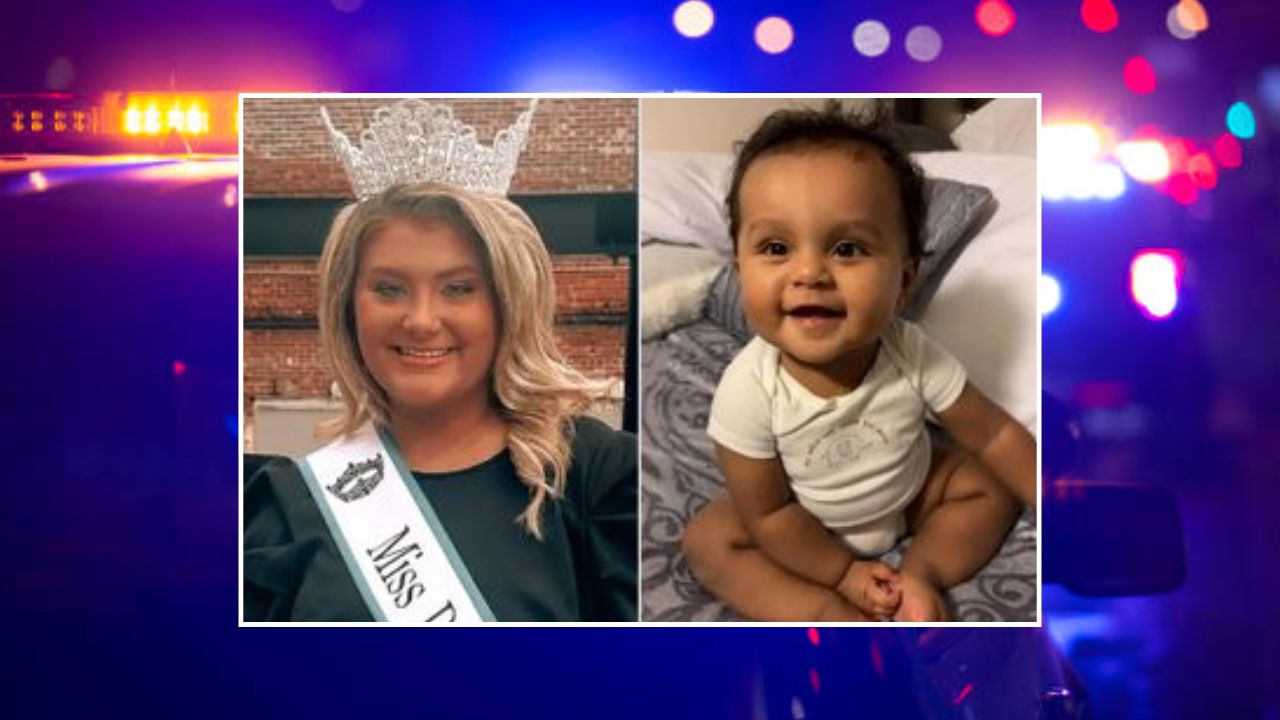
DEKALB COUNTY, GA — A Georgia mother who repeatedly beat her 4-year-old son because he struggled with potty training has been sentenced to life without the possibility of parole, bringing a devastating case of child abuse and systemic failure to a close.
Prosecutors say the punishment reflects the brutality inflicted on young Anthony Vice, whose death in March 2022 was the culmination of sustained violence inside the family’s apartment.
Read Also: 6-Year-Old Girl Dies in Go-Kart Crash at Florida Amusement Park During Sister’s Birthday
Child Found Unresponsive With Extensive Injuries
First responders were dispatched to the home on March 6, 2022, after 43-year-old Sophia Williams contacted the child’s father and later dialed 911, reporting that Anthony was not breathing. When emergency crews arrived, they found the boy unresponsive and without a heartbeat, lying on the apartment’s living room floor.
Medical personnel quickly noticed new and old bruises covering the child’s entire body, raising immediate concerns about chronic abuse. Anthony was rushed to Children’s Healthcare of Atlanta, where he was later pronounced dead despite efforts to resuscitate him.
An autopsy would later confirm the worst: Anthony died from blunt force trauma to the head, an injury experts say he could have survived if his mother had sought medical treatment when symptoms first appeared.
A Pattern of Violent “Discipline,” According to Prosecutors
As the investigation unfolded, Williams admitted to officers that she frequently disciplined her son because he was not potty trained. Prosecutors said Williams described hitting the child with her hand, a house slipper, a purse strap, and a charging cord, calling the beatings a form of punishment for not listening or failing to use the toilet.
Williams also attempted to deny responsibility for Anthony’s head injury, claiming the child had “accidentally hit his head” a week earlier. However, prosecutors argued that this claim was incompatible with medical evidence and witness accounts.
A 13-year-old child who was present in the home during one of the beatings told investigators that on March 5 — the day before Anthony’s death — Williams “whooped” the boy so severely that he appeared dizzy before collapsing to the floor. She reportedly moved him to her bed afterward and threw water on him when he became unresponsive. He briefly awoke, then remained limp throughout the night.
Instead of calling for help, Williams searched online phrases including “remedy for concussion” and “coma – symptoms and causes,” according to digital evidence cited by the District Attorney’s Office.
Timeline Reveals Hours of Delayed Medical Care
By the next morning, Williams found Anthony “completely limp” and barely making noise. She later told authorities she hesitated to call emergency services because of the visible bruising across his body. Instead, she first phoned Anthony’s father at 5:38 a.m.
It wasn’t until 6:26 a.m. — nearly an hour later — that she contacted 911.
Prosecutors argued that this significant delay, combined with the severity of the beatings, demonstrated clear and intentional cruelty.
Conviction and Sentencing
In August, a jury convicted Williams of:
- Malice murder
- Two counts of felony murder
- Four counts of first-degree cruelty to children
- Three counts of aggravated battery
DeKalb County District Attorney Sherry Boston announced on Dec. 10 that Williams was sentenced to life in prison without parole plus 10 years, citing the brutality of the case and the mother’s failure to seek medical help that could have saved her son’s life.
Prosecutors emphasized that Anthony’s death was “entirely preventable” and the result of deliberate, repeated acts of violence.
Remembering Anthony and Raising Awareness
Anthony’s death triggered renewed conversations about child abuse, mandatory reporting, and community intervention. Authorities noted that the boy had sustained multiple injuries over time, suggesting a pattern that may have gone unnoticed or unreported before his death.
Child advocates stress that early reporting can save lives, highlighting cases like Anthony’s as painful reminders of the importance of vigilance.
Child abuse tragedies often leave communities questioning what warning signs may have been missed. What steps do you believe neighbors, teachers, or extended family can take to help protect vulnerable children? Share your thoughts in the comments.