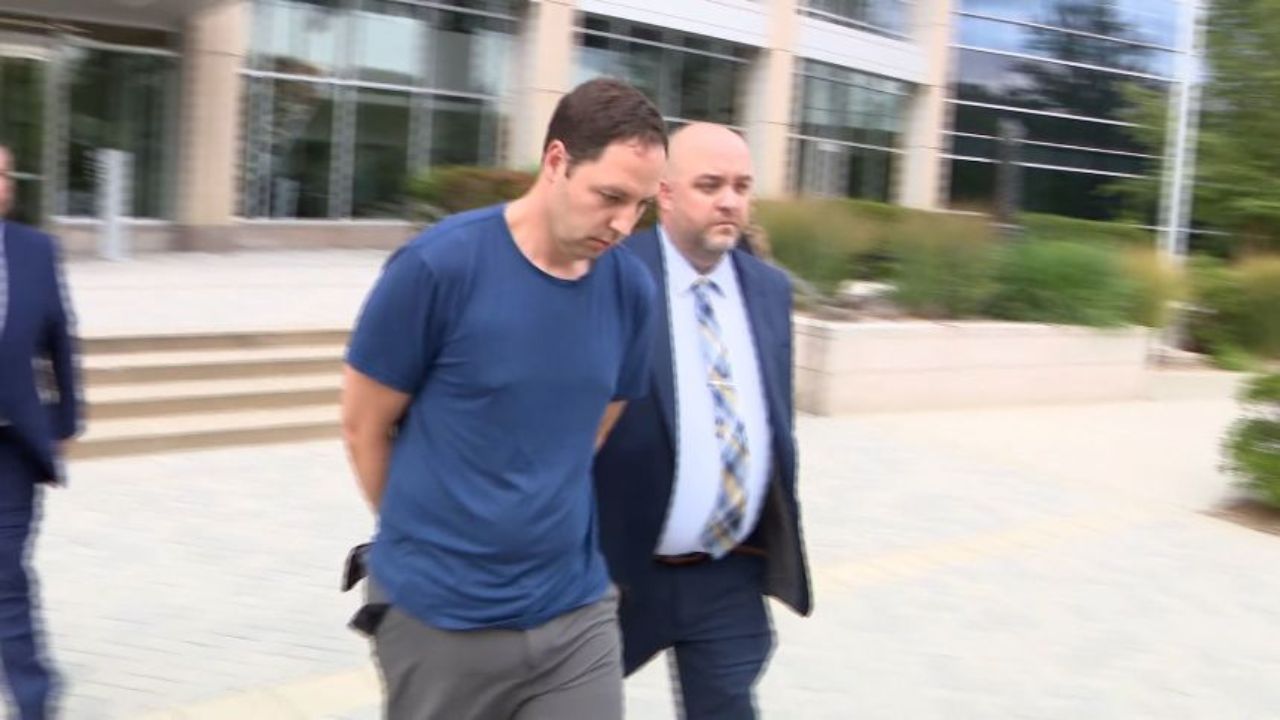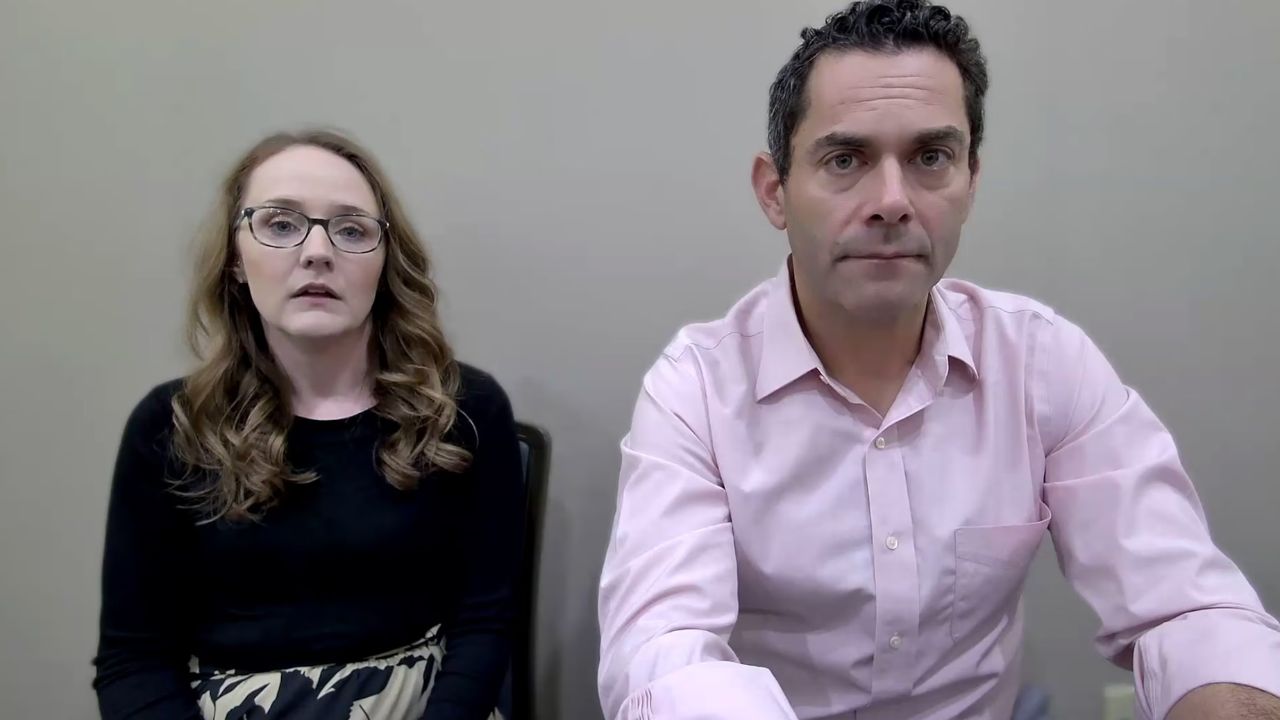
Phoenix, Arizona — Authorities in Phoenix say a couple’s reliance on online medical misinformation and an extreme “alkaline diet” contributed to the death of their 5-month-old child and the severe malnutrition of their three other children.
The parents, 25-year-old Tremaure Stanley and 26-year-old Janiece Brooks, now face first-degree murder and multiple child abuse charges as prosecutors evaluate whether to pursue a plea deal or move toward a potential life sentence.
Infant Found Unresponsive After Months on Restrictive Diet
The case began in July 2023, when Brooks called 911 to report that their infant was unresponsive. Phoenix police arrived at the family’s home and found the youngest child dead. During follow-up medical evaluations, three surviving siblings—then ages 2, 4, and 5—were hospitalized with rickets, osteopenia, vitamin D deficiency, and significant developmental delays.
Doctors later determined the children had been suffering from chronic malnutrition, a condition prosecutors say directly resulted from the restrictive dietary practices imposed by the parents.
Court records show the couple admitted to avoiding medical care for their children and relying on online videos and posts that warned against vaccines, infant treatments, and common over-the-counter medicines such as Tylenol.
According to investigators, the parents had adopted an extreme version of the “alkaline diet,” which promotes the false belief that altering the body’s pH levels can “detoxify” or cure disease.
Children Fed Diet Severely Lacking in Protein and Calories
Under this dietary regimen, the children consumed primarily fruits, vegetables, and plant-based milks, with almost no protein, fats, or fortified foods. Doctors examining the siblings said the nutritional deficits were so severe that they resulted in bone weakening, organ strain, and development delays.
Public health experts say such diets often attract parents overwhelmed by conflicting health information, especially online. Jessica Steier, a public health scientist and executive director of the nonprofit Unbiased Science, explained that misinformation thrives in emotionally charged environments.
“People are looking for this feeling of control over their health,” Steier said. “The pandemic really threw gasoline on that fire.”
Researchers emphasize that extreme diets in alternative-health communities often function less like choices and more like belief systems, reinforced by online communities, motivational influencers, and fear-based narratives about conventional medical care.
Prosecutors Seek Harsh Penalties for Alleged Abuse
Prosecutors have charged both Stanley and Brooks with first-degree murder and four counts of child abuse, all at the most severe charging level. Each child-abuse count carries a 10- to 24-year sentence, and because the victims are under 15, the sentences must run consecutively.
During a December 1 hearing, the judge noted that the child-abuse charges alone amount to life in prison. If the couple rejects a plea and proceeds to trial, they could also face the death penalty under Arizona law.
Court records indicate that prosecutors believe the parents knowingly placed their children in harm’s way, and that two months after beginning the restrictive diet, their infant child died as a result.
Online Misinformation and the Erosion of Trust in Medicine
The case reflects broader concerns about the growing role of online misinformation in shaping health decisions. Parents, especially those seeking “natural” solutions, may become immersed in online ecosystems that promote skepticism toward medical institutions and encourage extreme, unproven health practices.
Clinical psychologist Jonathan Stea, who studies pseudoscience in wellness communities, says that these belief systems often override logical judgment.
“Motivated reasoning kicks in,” Stea explained. “Confirmation bias gets activated.”
Experts warn that once these ideas become part of a parent’s identity, it becomes increasingly difficult to reach them through factual information alone.
Steier noted that in her communication work, she approaches parents gently, not confrontationally.
“My conversations are more emotional than factual,” she said. “You have to lead with your humanity.”
Parents Avoided Doctors and Limited Outside Contact
Court documents show Stanley and Brooks kept their children away from doctors, avoided routine vaccination appointments, and minimized outside contact. This isolation, experts say, further entrenched their reliance on an information bubble that discouraged medical intervention.
Read Also: Five Kids, Three Dogs Found Living in SUV Full of Trash and Drugs; Parents Face Charges
The case comes amid heightened national debate over medical skepticism. On December 5, a CDC advisory committee’s split decision to end the universal hepatitis B vaccine recommendation at birth reignited conversations about how institutional trust continues to erode.
Stanley and Brooks met with prosecutors on December 1 to discuss a plea agreement. A decision is expected soon.
Share Your Thoughts
How can communities better support parents who fall into online misinformation traps—especially when children’s health is at risk? Share your thoughts in the comments below.