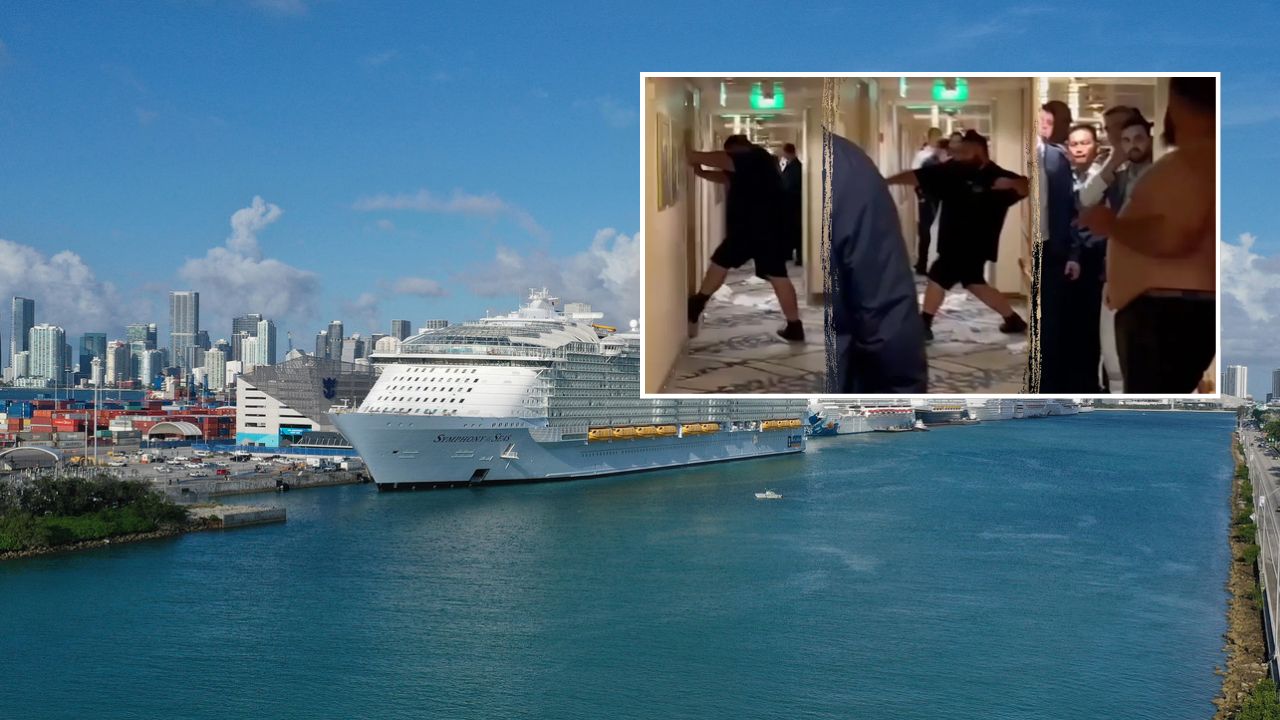
Miami, Florida — A California family has filed a wrongful death lawsuit against Royal Caribbean after 35-year-old Michael Virgil died aboard the Navigator of the Seas, claiming he was overserved alcohol and fatally restrained by ship personnel. The lawsuit comes seven months after a medical examiner ruled his death a homicide, citing a combination of mechanical asphyxia, intoxication, and restraint by multiple security officers.
Routine Cruise Turns Into a Tragedy
According to the lawsuit filed in the U.S. District Court for the Southern District of Florida, Virgil, his longtime fiancée, and their young son — who has autism — boarded the Royal Caribbean ship on December 13, 2024, for a four-day cruise from Los Angeles to Ensenada, Mexico. What was intended to be a relaxing family trip quickly unraveled during the ship’s departure.
The family says they were sent to a bar with live music while waiting for their cabin. When their son grew restless, Virgil’s fiancée took him to check the room, leaving Virgil alone — a detail that would later become central to the lawsuit.
Lawsuit Claims Virgil Was Overserved at Least 33 Alcoholic Drinks
The lawsuit alleges that in the hours following departure, crew members negligently served Virgil at least 33 alcoholic beverages, despite clear signs of impairment. The complaint states Virgil became increasingly intoxicated and disoriented while searching for his cabin.
Attorneys argue that Royal Caribbean’s alcohol sales — particularly through the Deluxe Beverage Package, which Virgil had purchased — create a financial incentive for staff to overserve passengers, even when it puts them at risk.
Confrontation With Security Ends in Fatal Restraint
As Virgil’s behavior escalated, ship security and crew members reportedly intervened. According to the complaint, the response was violent and excessive.
Crew members allegedly tackled and restrained him, applying severe pressure to his body. The lawsuit states that under direction from the staff captain, officials also injected Virgil with Haloperidol, a sedative, and deployed three cans of pepper spray.
The combination of force and chemical restraint, the lawsuit says, caused hypoxia, impaired ventilation, respiratory failure, and ultimately cardiopulmonary arrest.
A medical examiner later ruled his death a homicide, citing:
- “Combined effects of mechanical asphyxia, obesity, cardiomegaly, and ethanol intoxication.”
- “Body compression during restraint by multiple ship security personnel.”
- “Ingestion of ethanol.”
Following his death, Virgil’s body remained refrigerated on board until the cruise ship returned to Los Angeles on December 16, 2024.
Family Accuses Cruise Line of Negligence
The complaint argues that Royal Caribbean failed in its basic duty to protect passengers from foreseeable harm, accusing the company of negligent hiring, training, and supervision of security and medical staff.
Attorney Kevin Haynes of Kherkher Garcia, representing the family, stated:
“Michael’s family has suffered unimaginable heartache and torment caused by Royal Caribbean, a mega cruise line that prioritizes profit over passenger safety.”
He noted that alcohol-related incidents and onboard deaths have increased industry-wide.
“Our goal is to force systemic change… so no family experiences tragedy like this again.”
Compensation Sought Under Maritime Law
Under the Death on the High Seas Act, Virgil’s estate is seeking damages for:
- loss of financial support
- loss of inheritance
- funeral and medical expenses
- loss of companionship and protection
- mental pain and suffering
- past and future earnings and net accumulations
The lawsuit asks for unspecified punitive damages, aiming to hold the company accountable for alleged misconduct.
Read Also: Patient Stabs Social Worker to Death Inside Hospital; Officials Call Tragedy “Preventable”
Royal Caribbean Declines to Comment on Pending Litigation
A spokesperson for Royal Caribbean expressed condolences but said the company would not discuss details while the case is active.
“We were saddened by the passing of one of our guests, worked with authorities on their investigation, and will refrain from commenting further,” the statement said.
The lawsuit marks a significant moment in ongoing scrutiny of cruise line safety practices, particularly surrounding alcohol consumption and the use of force by onboard security.
Should cruise lines be held more accountable for overserving alcohol and the actions of onboard security personnel? Share your thoughts in the comments below.