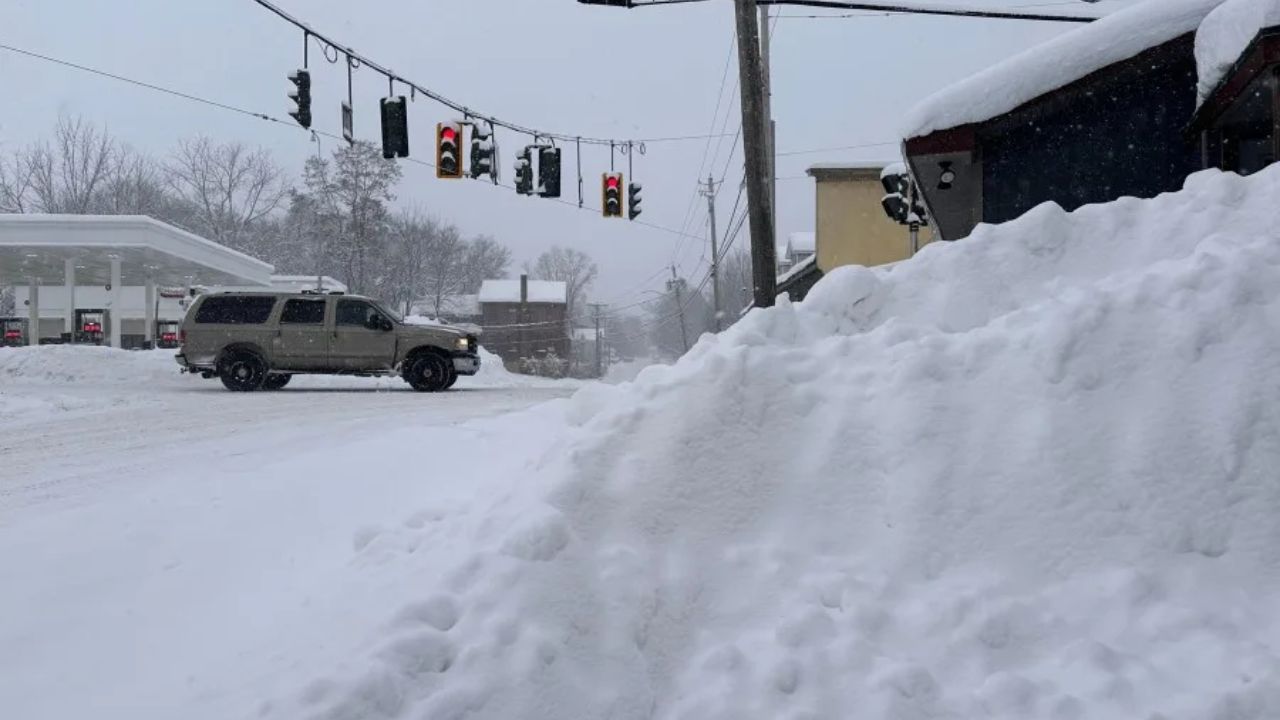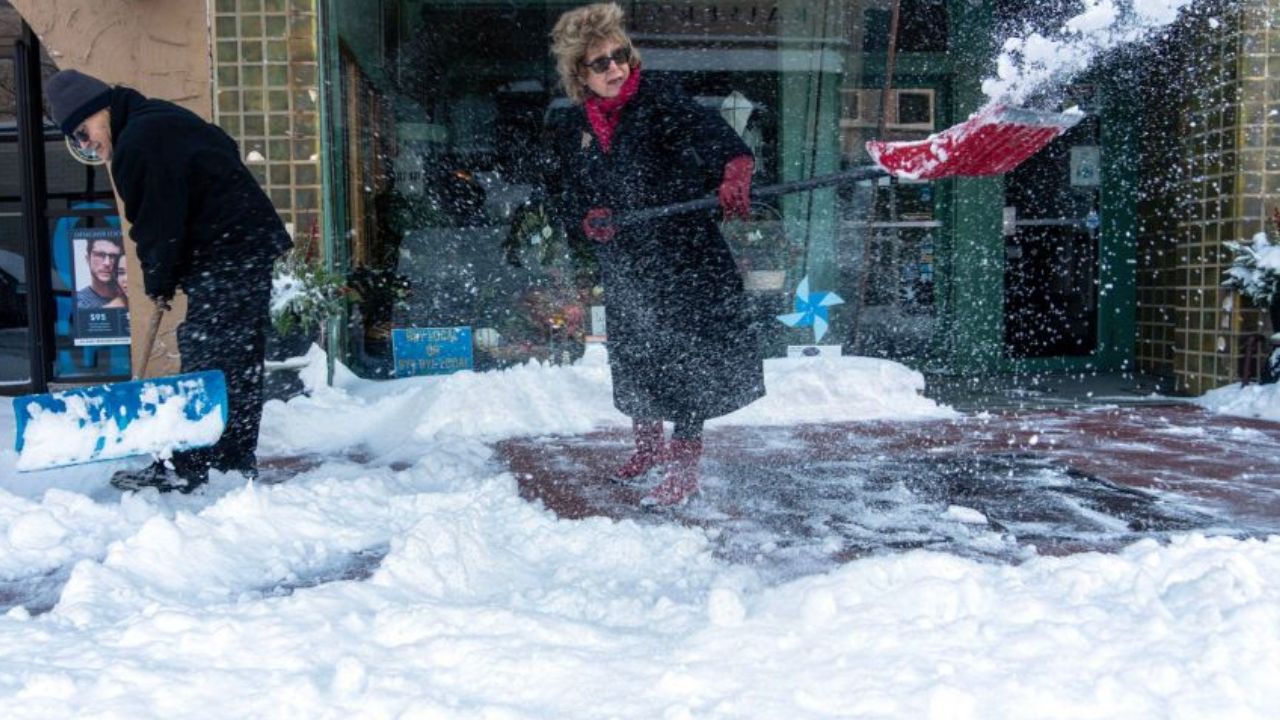
Chicago, Illinois — Chicago is heading into winter with an unusually snowy season, marking its fifth snowiest start since 1978 after a series of early-season storms blanketed the region.
With 4.8 inches of new snow recorded at Chicago O’Hare over the recent weekend, seasonal totals have climbed to 17.1 inches as of December 7 — a number already approaching what the city received during all of last winter.
A Remarkably Early Surge in Snowfall
The official snow season, measured from July 1 to June 30, has seen an exceptional start this year. Chicago’s 17.1-inch total by early December stands out as one of the most dramatic early accumulations in nearly five decades. The last time snowfall reached nearly this level so early in the season was back in 1978, highlighting how rare such an early surge is.
A particularly intense stretch occurred between November 29 and December 7, when 15.4 inches of snow accumulated at O’Hare. This nine-day period ranks among the snowiest stretches in recent memory. For comparison, the last time Chicago saw a similarly snowy nine-day window was in February 2021, when 15.4 inches fell from February 8 to 16.
Historical Context Shows How Unusual This Season Has Been
Looking deeper into the record books, Chicago’s snowiest nine-day stretch ever recorded occurred in 1967, when 29.9 inches fell between January 1 and February 3 — a stark reminder of the city’s capacity for extreme winter weather.
Still, this year’s early buildup is remarkable on its own, especially in comparison to recent winters. Last snow season, Chicago experienced a total of 17.6 inches — barely more than what the city has already accumulated in the first week of December.
With months still remaining in both the meteorological and astronomical winter periods, Chicago is on track to surpass not only last year’s total but potentially reach above-average snowfall by midseason.
How This Year’s Totals Compare to Normal Conditions
A typical winter at Chicago O’Hare brings an average of 38.4 inches of snow. With nearly half that amount already recorded, it signals a much more active winter pattern than recent years.
Weather experts note that the strong performance of early-season storms is contributing to the fast climb in totals, with lake-enhanced systems and colder air masses creating ideal conditions for snow.
Meteorological winter officially began on December 1, while astronomical winter will not arrive until December 21. This means the city reached these high totals even before winter had officially begun on the calendar — adding to the unusual nature of the season.
More Snow Coming With Additional Systems on the Way
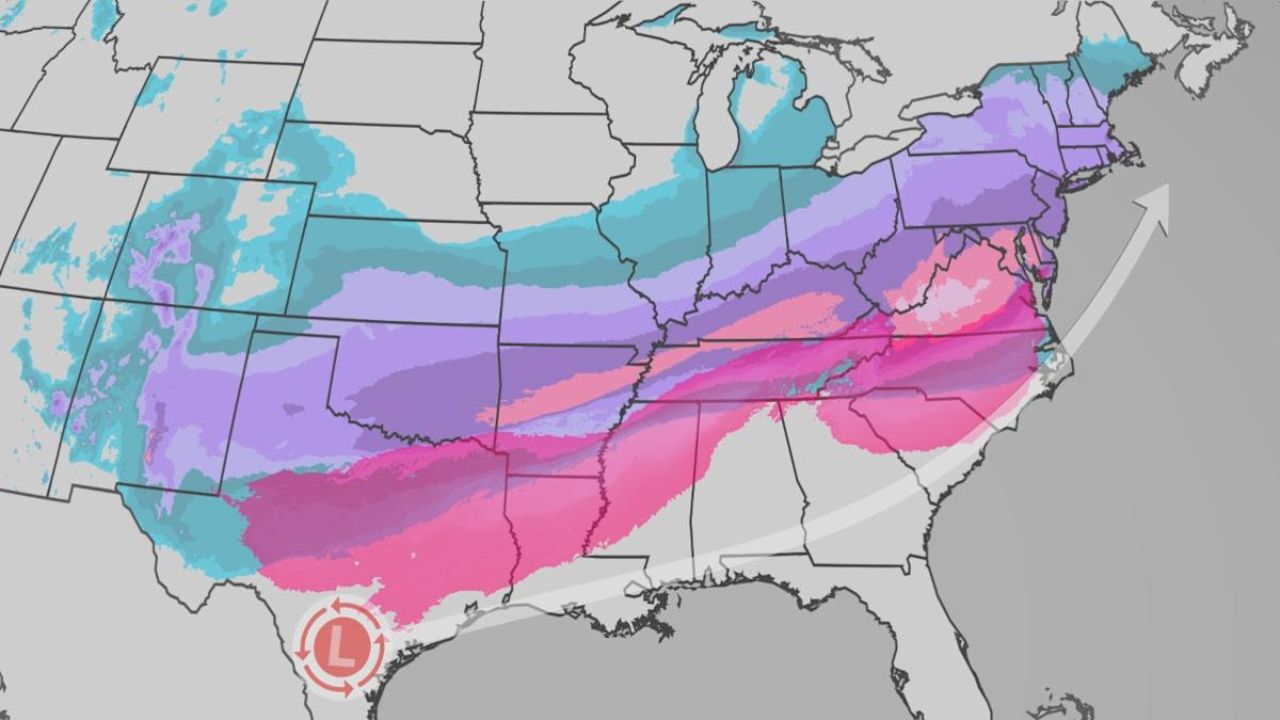
Forecasters say Chicagoans should brace for additional snowfall in the coming workweek. New storm systems are expected to move across the Midwest, bringing the potential for more measurable snow accumulation. Depending on storm tracks and temperature patterns, totals could continue rising at a pace that cements this winter as one of the most memorable in recent years.
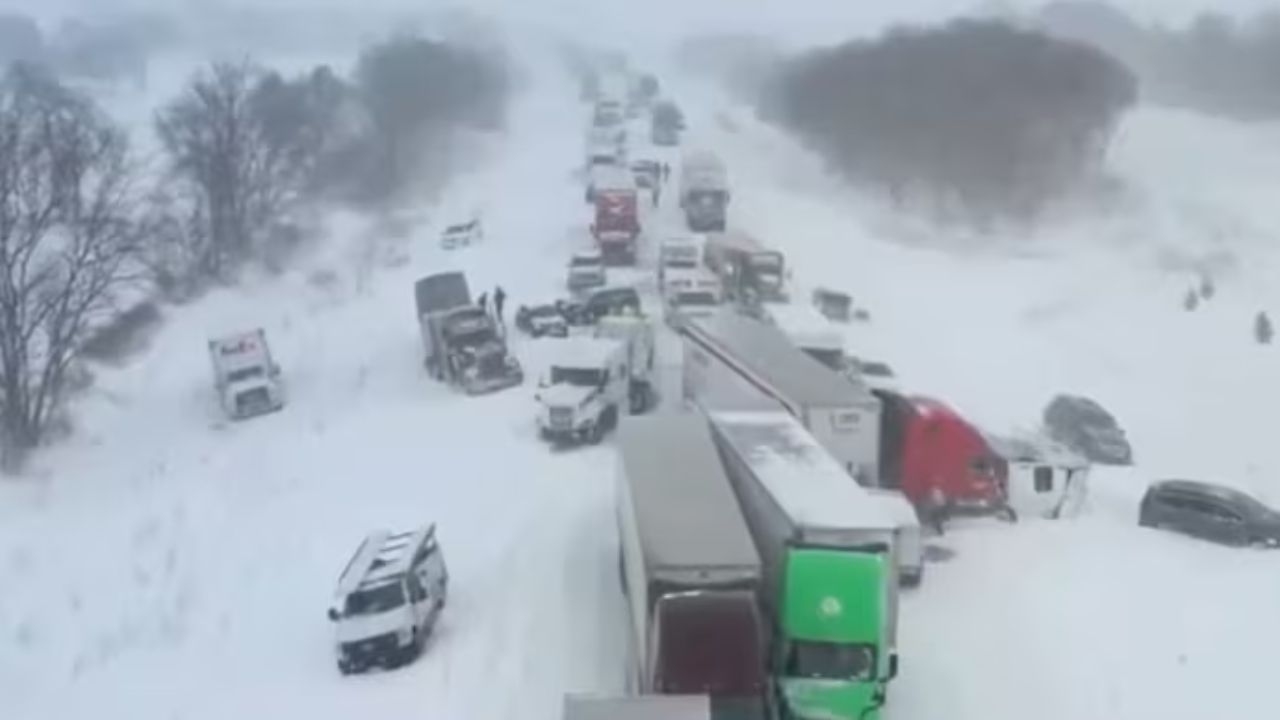
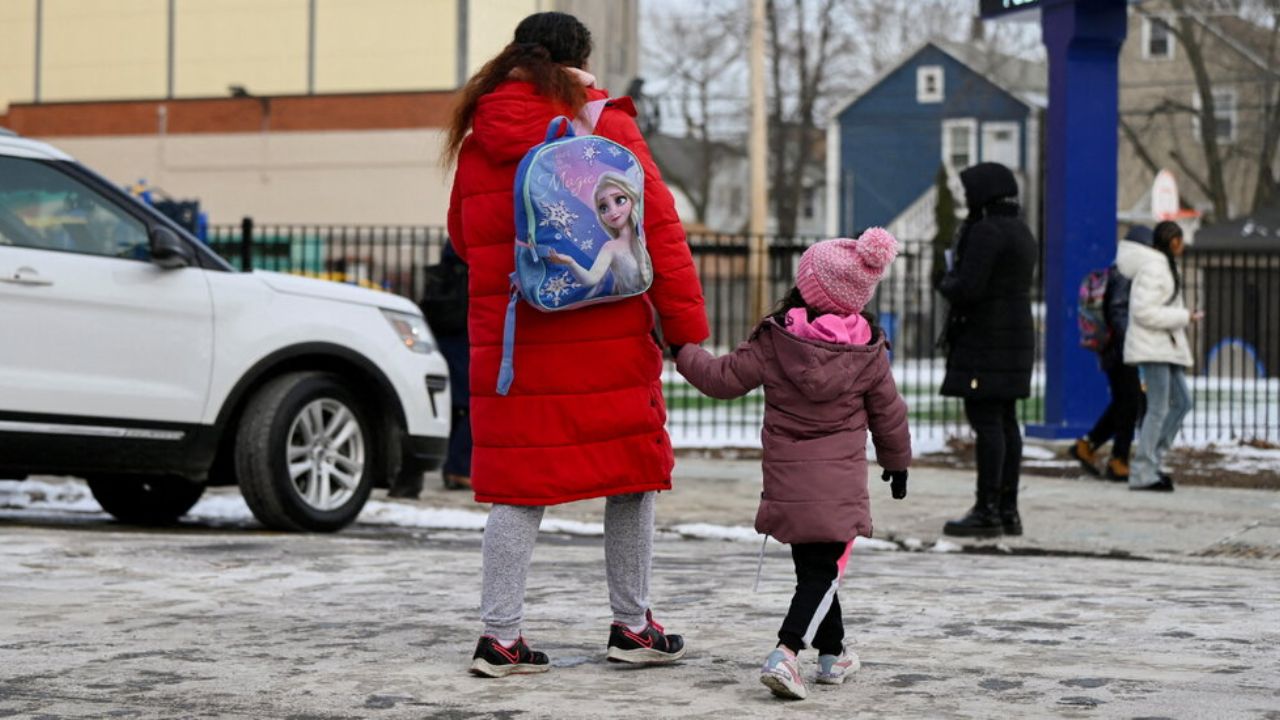
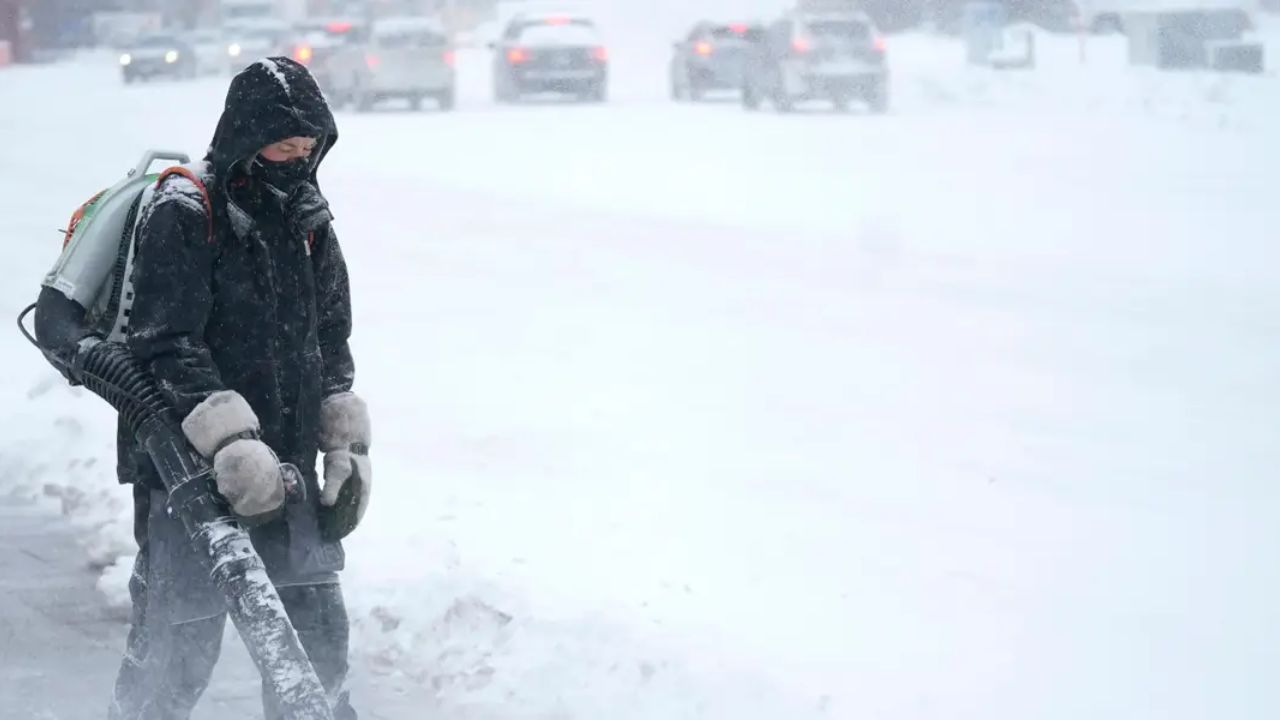
Residents across Chicagoland are being urged to prepare for slick roads, reduced visibility, and travel disruptions, particularly during morning and evening commutes. Public works crews are also gearing up for additional plowing and salting as the city enters what appears to be a very active winter weather cycle.
Read Also: New Mexico Braces for Gradual Warming after Coldest Morning of Season
Community Reaction and Expectations for the Season
As snowfall totals grow, Chicagoans are expressing both surprise and concern. For many residents, the rapid accumulation has revived memories of the city’s historic winters, especially those who recall the dramatic storms of the 1960s and 1970s. Others are welcoming the early snowfall, noting the festive feel it brings to the holiday season.
However, meteorologists caution that a heavy start does not necessarily predict a record-breaking winter — though it does increase the likelihood of above-average snowfall if current patterns persist.
Share Your Thoughts
How do you feel about Chicago’s unusually snowy start to winter — exciting, concerning, or both?
Share your thoughts in the comments below.